Back to Research
Last Updated:  
March 31, 2026
15 mins

Swift Completed the Design of its Blockchain-based Shared Ledger

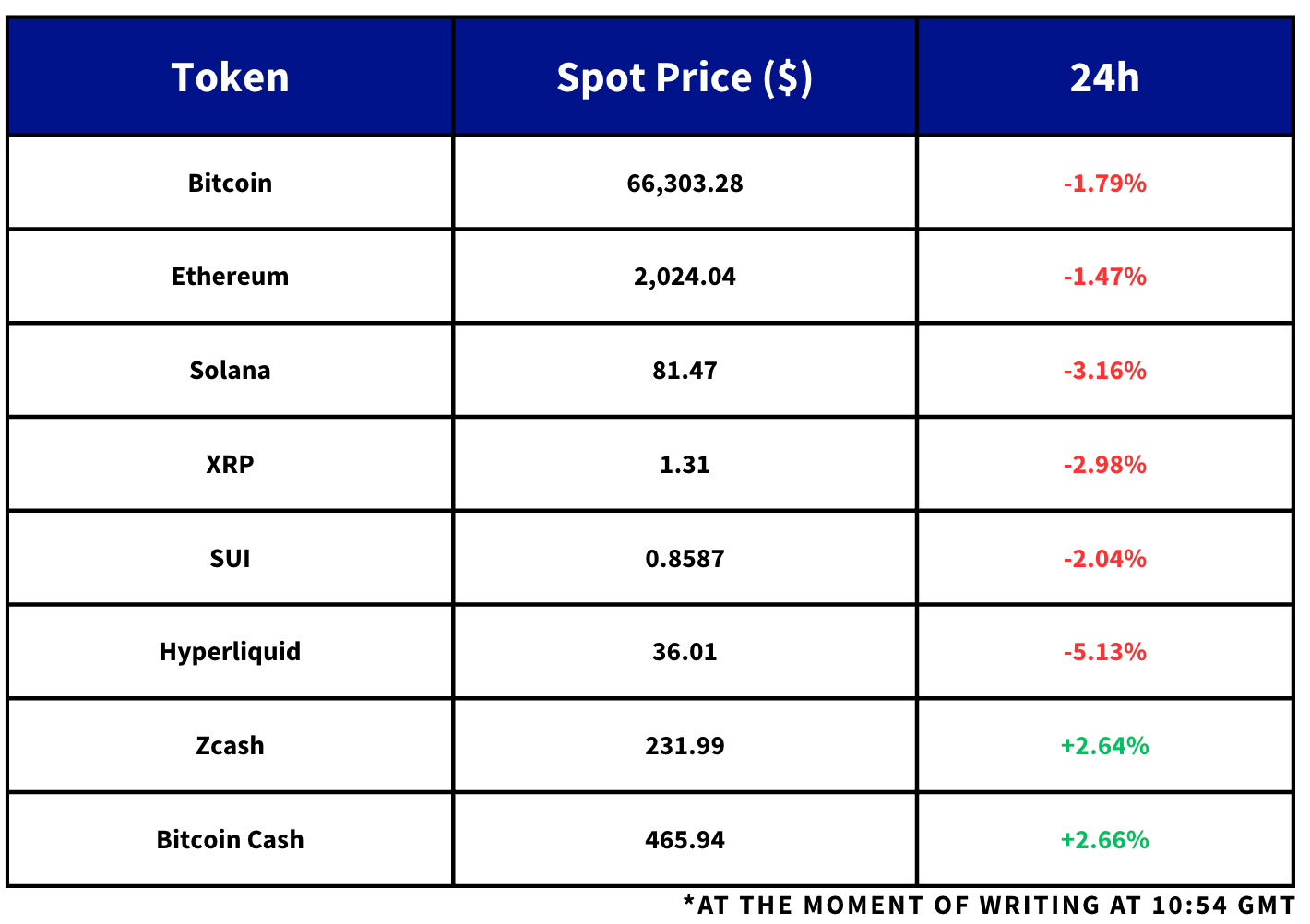
Overnight, BTC fell 1.3% to $66.7K, ETH declined 1.1% to $2,037, the S&P 500 closed down 0.39% at 6,343.72, the Nasdaq fell 0.73% to 20,794.64, and Brent/WTI eased to around $111/$102 per barrel, as Powell reiterated a cautious Fed stance amid persistent inflation uncertainty and softer labour market conditions. In crypto, the most notable quantitative developments were Keyrock’s Series C at a $1.1B valuation, Nakamoto’s sale of 284 BTC for $20M at roughly a 40% discount to cost, and Bitmine’s additional staking of 167,578 ETH, bringing its total staked ETH to 3.31M ETH worth about $6.72B.

Find out our latest reports, listed below:

Market Snapshot: Overnight Moves

Daily Updates:

  • Overnight, BTC traded down to about $66.7K, down roughly 1.3%, while ETH decreased to around $2,037, down about 1.1%.
  • The S&P 500 closed at 6,343.72, down 0.39%, and the Nasdaq closed at 20,794.64, down 0.73%.
  • Brent retreated towards $111/bbl and WTI trading near $102/bbl.
  • Yesterday, Chair Powell participated in a discussion in which he touched on a broad set of monetary policy, macroeconomic and financial stability issues, with the most notable takeaway being the growing tension between the two sides of the Fed’s dual mandate as inflation risks remain elevated while labour market conditions continue to soften.
  • He reiterated that the Federal Reserve remains committed to returning inflation to 2% on a sustained basis, but suggested that tariff-related inflation may prove to be a one-off price level adjustment, potentially adding around 0.5–1.0 percentage points to inflation.
  • Powell also emphasised the unusually high degree of uncertainty around the economic outlook, noting that the Fed is well placed to wait for greater clarity before adjusting policy.
  • Beyond the immediate policy outlook, he highlighted that current job creation is running at a very low pace and acknowledged that conditions are particularly challenging for new entrants to the labour market.
  • On financial stability, Powell argued that the banking system is materially more resilient than it was ahead of the global financial crisis, said there is currently no evidence of broader contagion from stresses in private credit, and maintained that the US financial system remains stable overall.
  • He also noted that developments in the Middle East are affecting energy prices and that the scale of any resulting energy shock remains uncertain. 
  • On longer-term fiscal risks, he warned that “the U.S. national debt is growing much faster than the economy” and added that “this will end badly if we don't take action soon.”
  • US Senators Bill Cassidy and Cynthia Lummis have introduced the Mined in America Act, a bill aimed at strengthening the domestic digital asset mining industry and reducing US dependence on foreign-made mining hardware.
  • The proposal would create a voluntary certification framework for US-based mining operations, encourage the transition away from equipment linked to foreign adversaries, and use existing federal energy and rural development programmes to support the buildout of domestic mining infrastructure.
  • It would also support the development of secure, energy-efficient mining hardware through US manufacturing initiatives.
  • The US Department of Labor has proposed a rule that would allow 401(k) retirement plans to gain exposure to alternative assets, including cryptocurrencies, private equity and real estate, marking an early step towards implementing President Trump’s August executive order.
  • The draft framework sets out how plan managers should assess and incorporate such assets into retirement portfolios, while emphasising the need to safeguard retirement savings.
  • Treasury Secretary Scott Bessent said in a statement that the proposal is intended to broaden retirement plan access to alternative assets while protecting retirement savings.
  • The CFTC has indicated that it will give substantial weight to the views of major sports leagues when assessing whether prediction market contracts are vulnerable to manipulation, following calls from the NFL for tighter guardrails around certain event-based offerings.
  • The league has reportedly urged platforms such as Kalshi and Polymarket to avoid contracts tied to highly specific or potentially influenceable outcomes – including single-play events, injuries, penalties, draft decisions and other markets that may rely on insider information or subjective judgement.
  • Binance is beta-testing a prediction markets feature within its Wallet app through a third-party integration with Predict.fun.
  • The feature would allow users to trade binary outcome contracts on real-world events via a dedicated prediction account separate from their spot trading accounts.
  • Keyrock has announced a new Series C funding round at a $1.1B valuation, underscoring continued investor support for established digital asset infrastructure firms despite a weak broader venture backdrop.
  • The round is being led by SC Ventures, the investment arm of Standard Chartered, with additional participation from Ripple, an existing backer.
  • While the company did not disclose the amount raised so far, management indicated the round remains open and could ultimately reach $100M.
  • Nakamoto disclosed that it sold 284 BTC for approximately $20M in March, at a price materially below its average holding cost.
  • Based on the company’s filing, the sale was executed at roughly $70,400 per BTC, representing around a 40% discount to its reported average purchase price.
  • Management said the proceeds will be used to support core business investment and replenish working capital following recent mergers.
  • Anchorage Digital and Chainlink Labs have backed the launch of the Blockchain Leadership Fund, a new crypto-focused political action committee aimed at supporting candidates advancing digital asset and blockchain policy ahead of the US midterm elections.
  • For Anchorage, the move marks its first direct involvement in funding a PAC, while for the industry more broadly it underscores a continued effort to shape the regulatory environment through more coordinated political advocacy.
  • International payments network Swift has completed the design of its blockchain-based shared ledger and is now building the first version to enable continuous cross-border payments using tokenised bank deposits, with live transactions expected to begin this year. It is working with banks globally to expand functionality and support the transition to digital finance.
  • The system builds on existing Swift infrastructure, adding a shared layer that records and validates payment commitments while supporting compliance processes and multiple settlement methods. Developed using open-source, EVM-compatible technology, it is designed to integrate with the broader digital asset ecosystem and scale over time.
  • Swift will operate and coordinate the ledger, while banks retain control over their assets and settlement processes. The initiative sits alongside broader efforts to improve payment speed, transparency, and reliability for consumers and businesses.
  • The ledger is expected to deliver faster payments, improved liquidity visibility, and reduced reconciliation, while also enabling more advanced use cases such as programmable payments and foreign exchange settlement. In the near term, banks will begin live testing with tokenised deposits to support real-time, always-on transactions.
  • According to onchain data, ethereum digital asset treasury, Bitmine has staked another 167,578 ETH, worth around $340M, bringing its total staked Ethereum to 3,310,221 ETH, valued at about $6.72B.
  • The Google Quantum AI team at Google Research has published a new whitepaper warning that future quantum computers could break the elliptic curve cryptography used by most cryptocurrencies, including Bitcoin, which is used in digital signatures to secure transactions and wallets. 
  • The research estimates this could be achieved using under 1,200–1,450 logical qubits and ~70–90M Toffoli gates, implying roughly a 20× reduction in the number of physical qubits required compared to prior estimates.
  • The paper calls on the crypto industry to begin transitioning to post-quantum cryptography, new cryptographic schemes designed to remain secure against quantum attacks, to ensure long-term security and stability. While still beyond current hardware capabilities, Google emphasizes the threat is becoming more feasible.

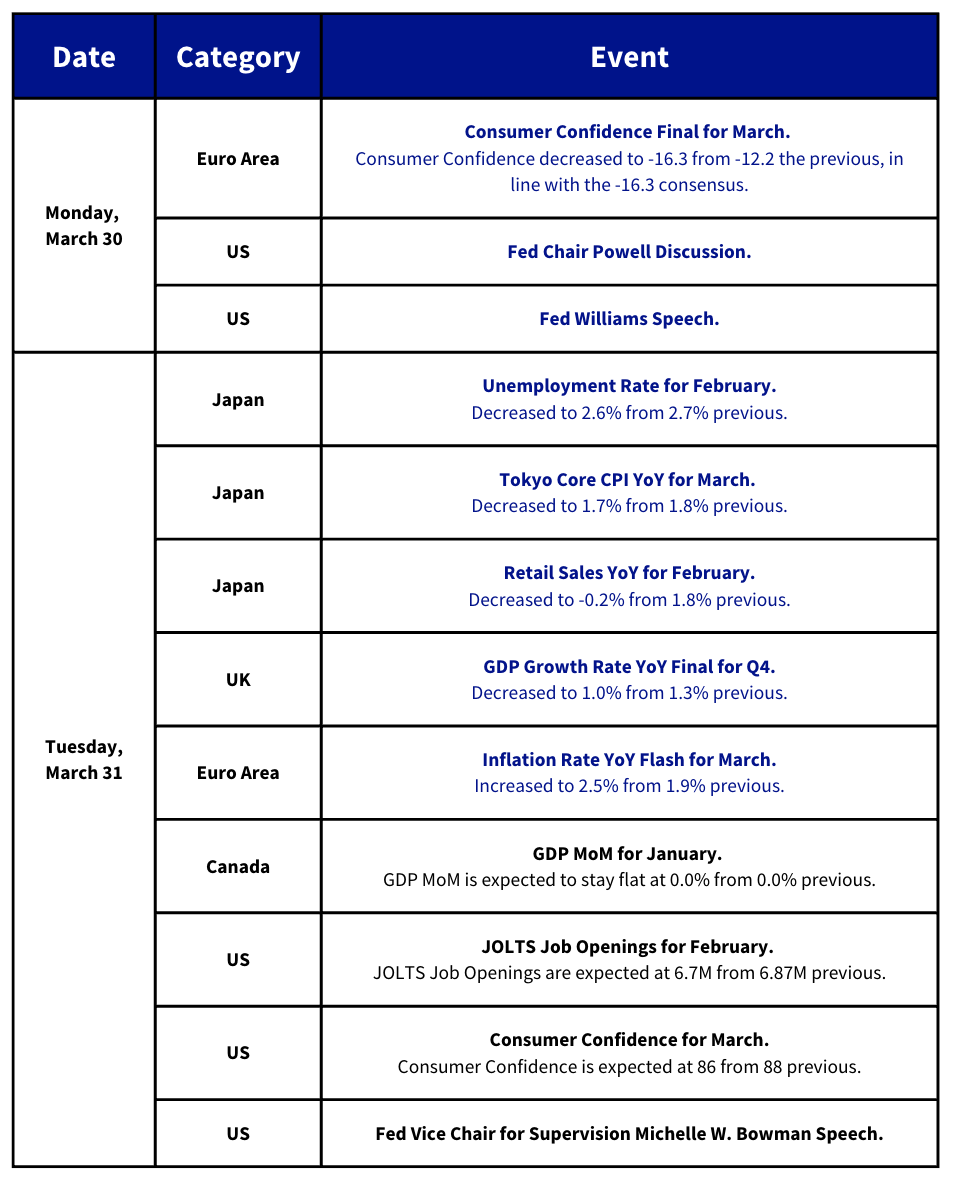
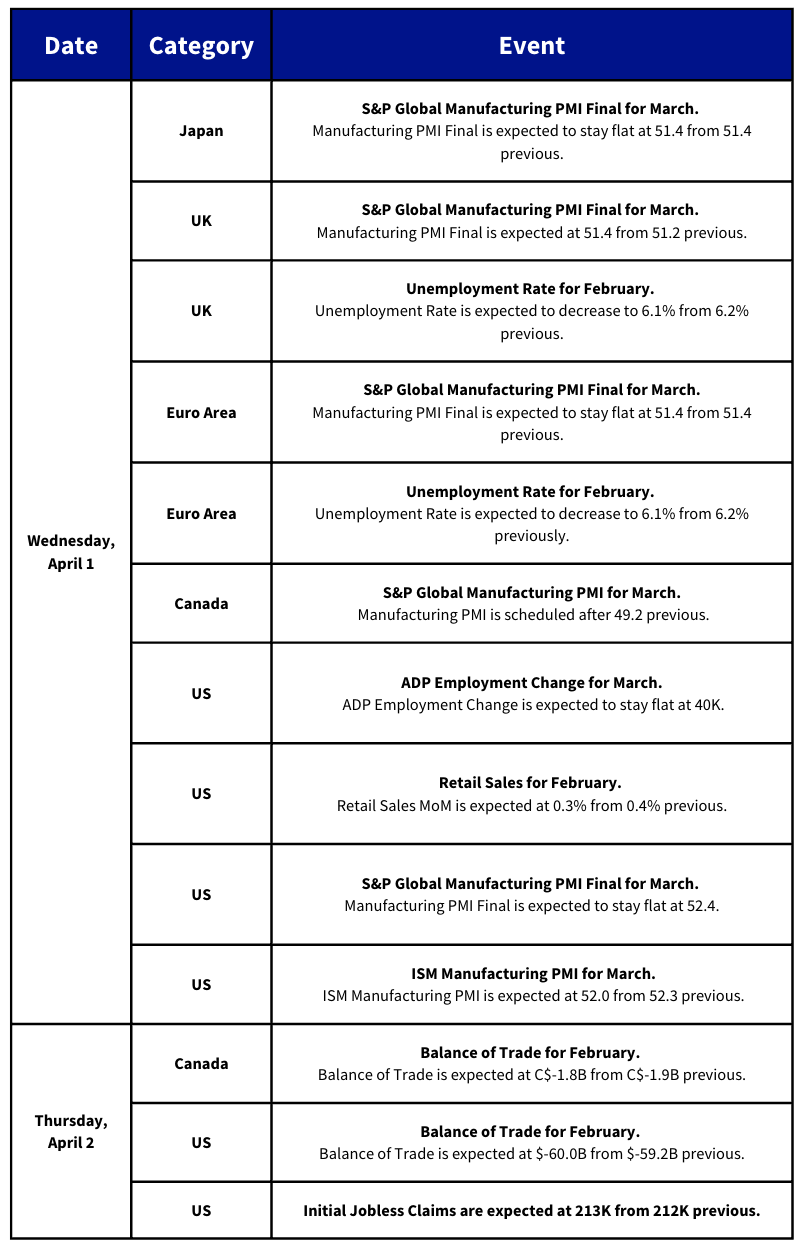
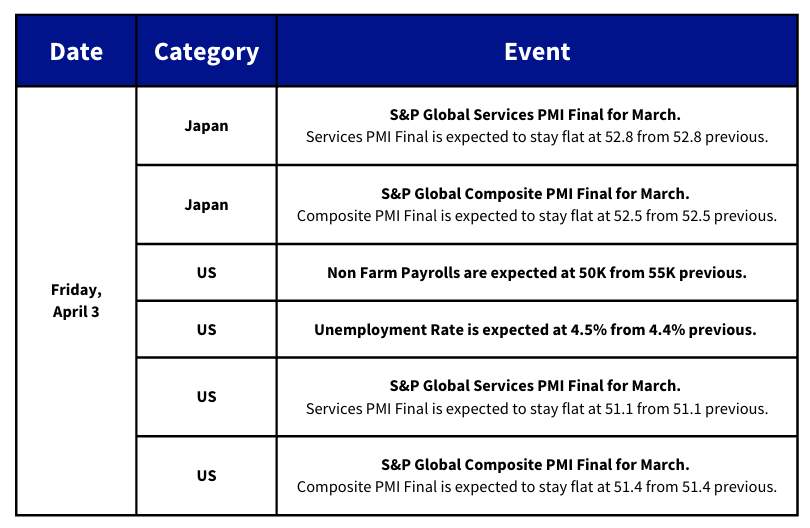
This Week’s Calendar:

Charts of the Day:

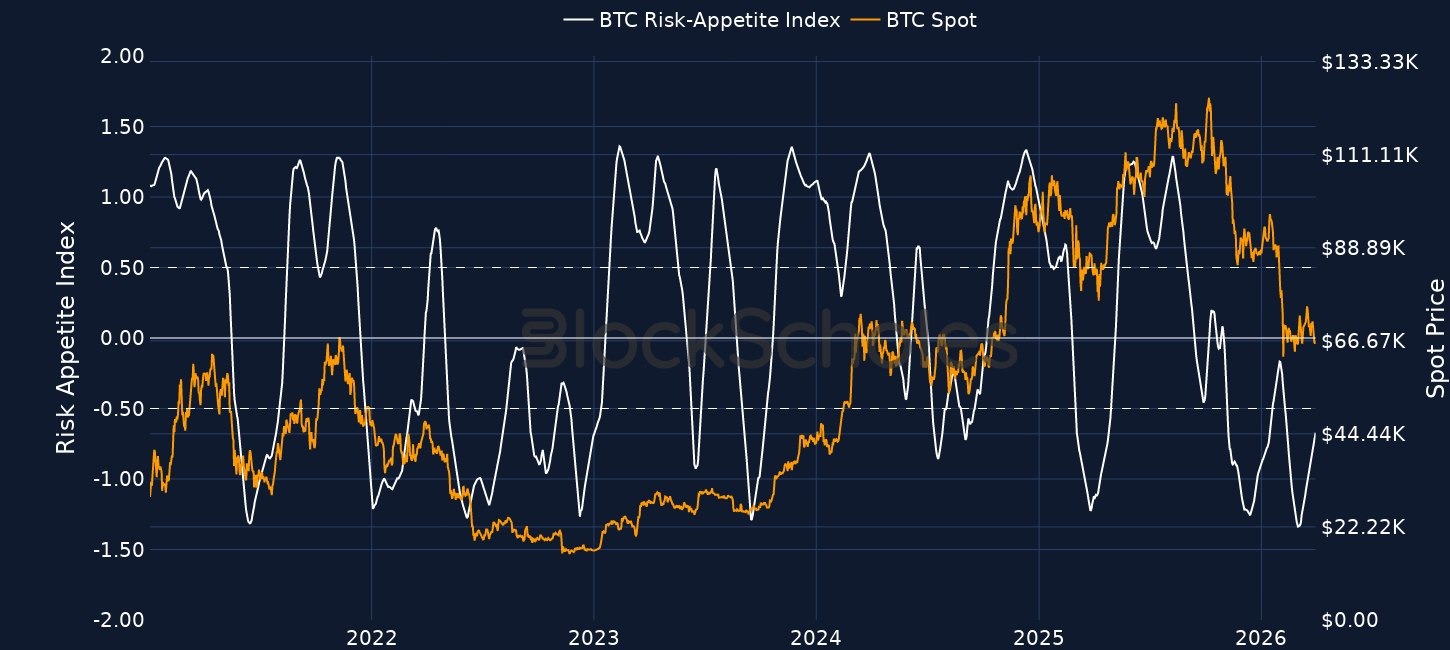
Figure 1. Block Scholes BTC Risk-Appetite Index (white, left-hand axis) and BTC spot price (orange, right-hand axis)
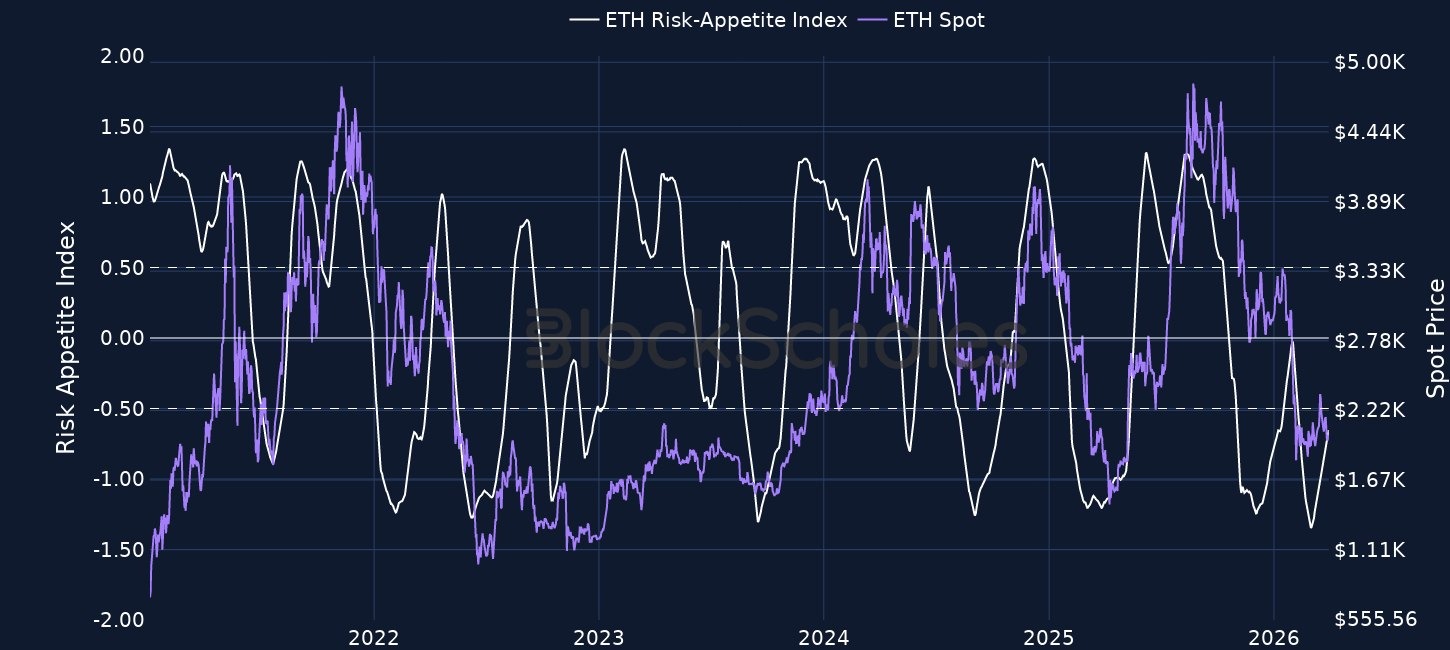
Figure 2. Block Scholes ETH Risk-Appetite Index (white, left-hand axis) and ETH spot price (purple, right-hand axis)
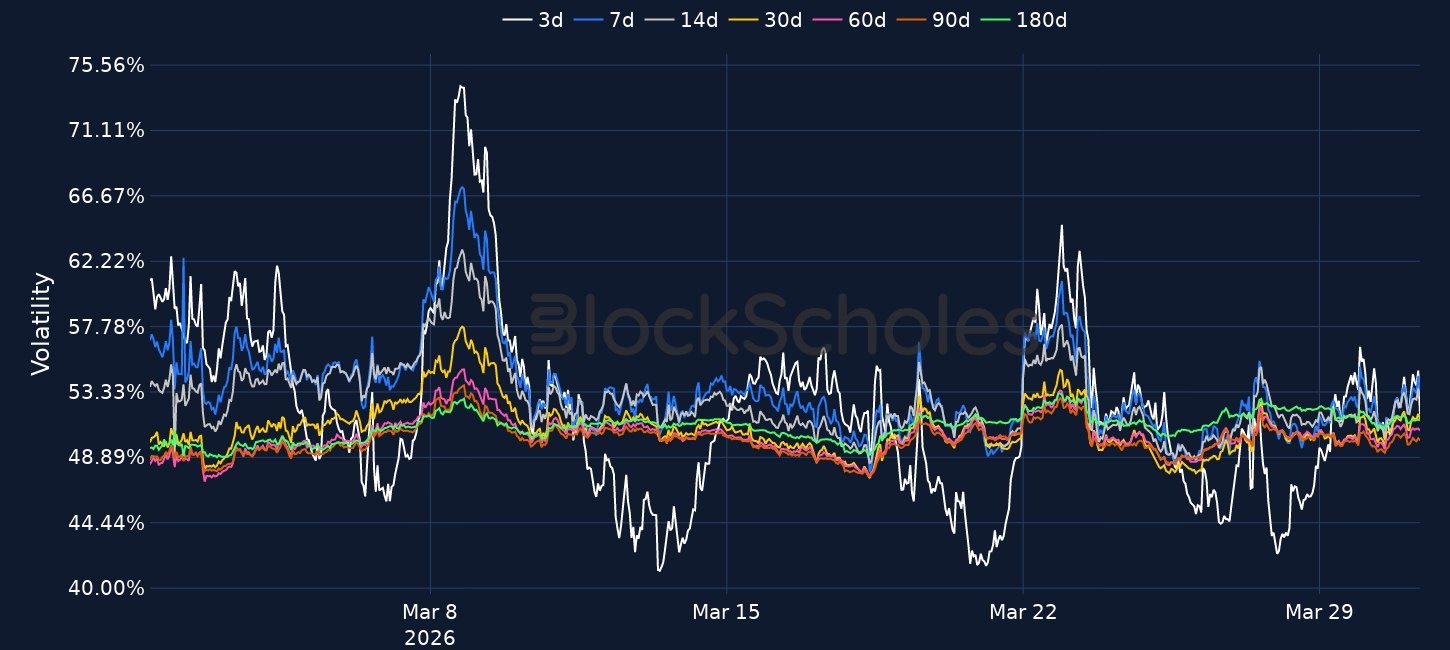
Figure 3. BTC at-the-money implied volatility across selected tenors. Source: Deribit, Block Scholes
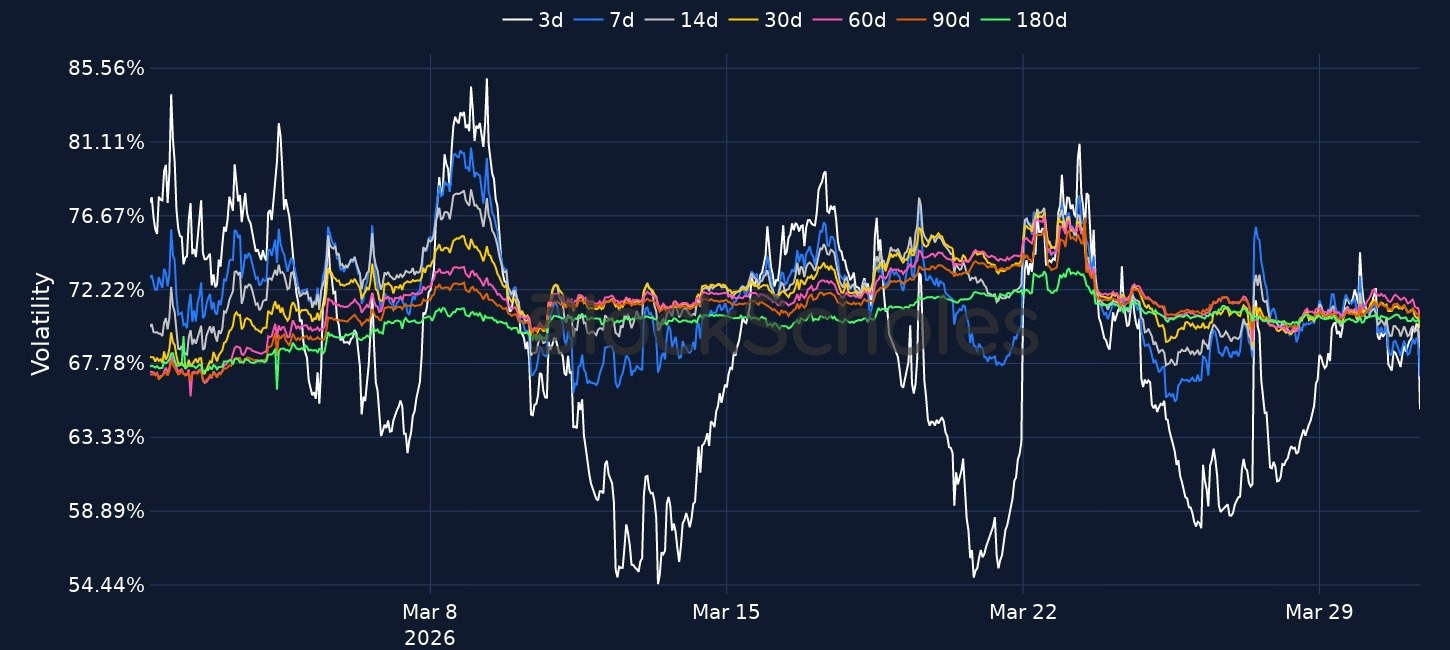
Figure 4. ETH at-the-money implied volatility across selected tenors. Source: Deribit, Block Scholes
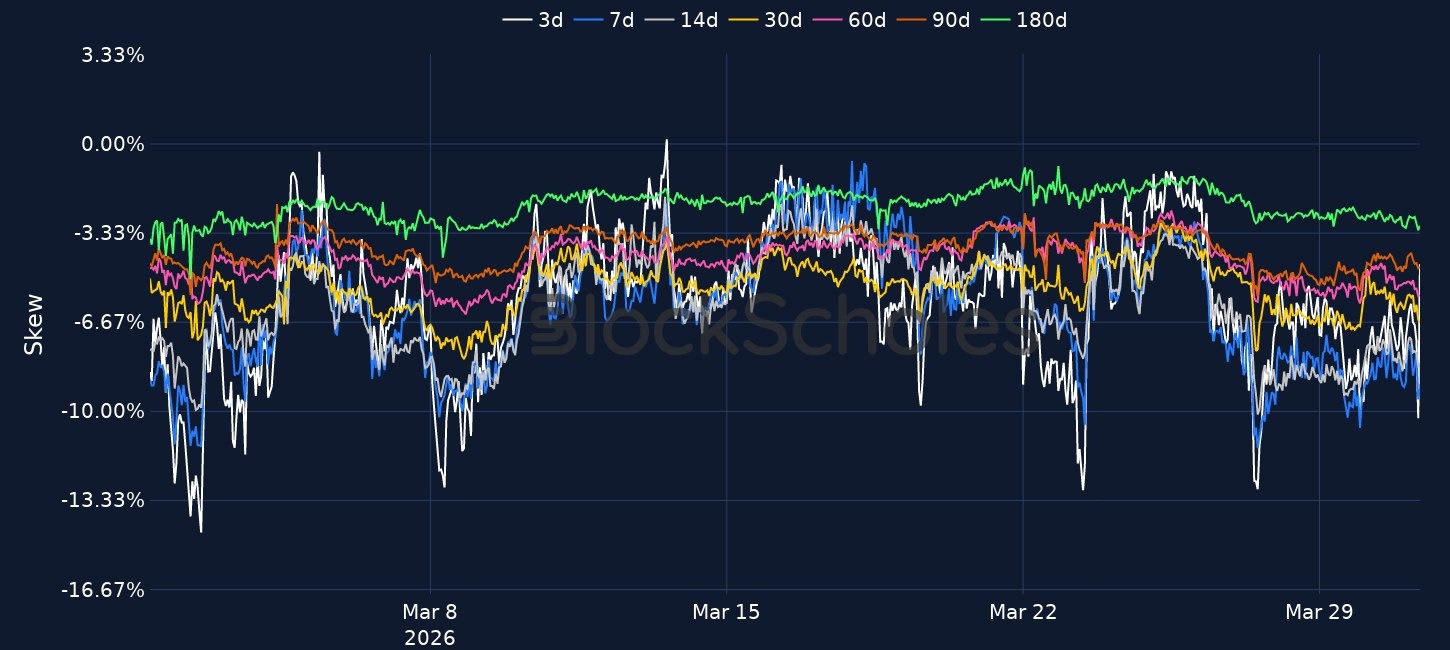
Figure 5. BTC 25-delta put-call skew ratio across selected tenors. Source: Deribit, Block Scholes
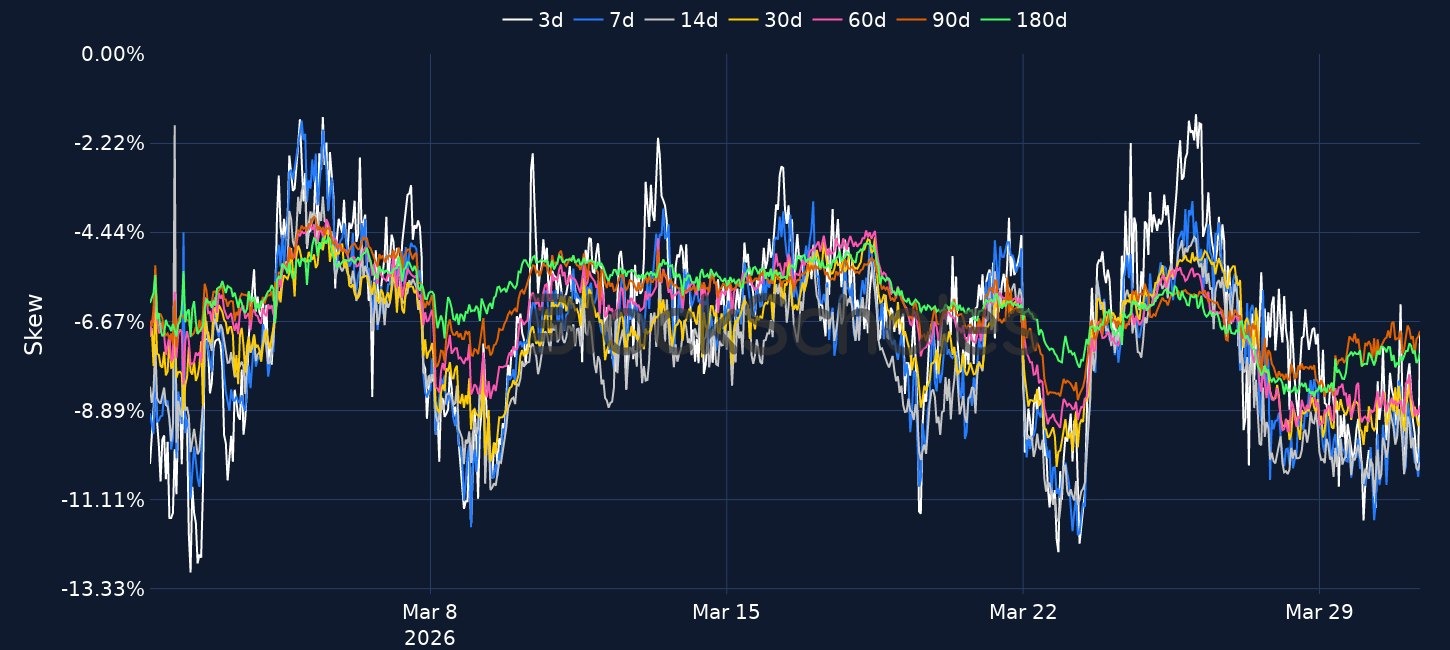
Figure 6. ETH 25-delta put-call skew ratio across selected tenors. Source: Deribit, Block Scholes
Share this post
Copy URL
www.blockscholes.com/premium-research/swift-completed-the-design-of-its-blockchain-based-shared-ledger

Find out our latest reports, listed below:

Daily Updates:

  • Overnight, BTC traded down to about $66.7K, down roughly 1.3%, while ETH decreased to around $2,037, down about 1.1%.
  • The S&P 500 closed at 6,343.72, down 0.39%, and the Nasdaq closed at 20,794.64, down 0.73%.
  • Brent retreated towards $111/bbl and WTI trading near $102/bbl.
  • Yesterday, Chair Powell participated in a discussion in which he touched on a broad set of monetary policy, macroeconomic and financial stability issues, with the most notable takeaway being the growing tension between the two sides of the Fed’s dual mandate as inflation risks remain elevated while labour market conditions continue to soften.
  • He reiterated that the Federal Reserve remains committed to returning inflation to 2% on a sustained basis, but suggested that tariff-related inflation may prove to be a one-off price level adjustment, potentially adding around 0.5–1.0 percentage points to inflation.
  • Powell also emphasised the unusually high degree of uncertainty around the economic outlook, noting that the Fed is well placed to wait for greater clarity before adjusting policy.
  • Beyond the immediate policy outlook, he highlighted that current job creation is running at a very low pace and acknowledged that conditions are particularly challenging for new entrants to the labour market.
  • On financial stability, Powell argued that the banking system is materially more resilient than it was ahead of the global financial crisis, said there is currently no evidence of broader contagion from stresses in private credit, and maintained that the US financial system remains stable overall.
  • He also noted that developments in the Middle East are affecting energy prices and that the scale of any resulting energy shock remains uncertain. 
  • On longer-term fiscal risks, he warned that “the U.S. national debt is growing much faster than the economy” and added that “this will end badly if we don't take action soon.”

Market Snapshot: Overnight Moves

Find out our latest reports, listed below:

Daily Updates:

  • Overnight, BTC traded down to about $66.7K, down roughly 1.3%, while ETH decreased to around $2,037, down about 1.1%.
  • The S&P 500 closed at 6,343.72, down 0.39%, and the Nasdaq closed at 20,794.64, down 0.73%.
  • Brent retreated towards $111/bbl and WTI trading near $102/bbl.
  • Yesterday, Chair Powell participated in a discussion in which he touched on a broad set of monetary policy, macroeconomic and financial stability issues, with the most notable takeaway being the growing tension between the two sides of the Fed’s dual mandate as inflation risks remain elevated while labour market conditions continue to soften.
  • He reiterated that the Federal Reserve remains committed to returning inflation to 2% on a sustained basis, but suggested that tariff-related inflation may prove to be a one-off price level adjustment, potentially adding around 0.5–1.0 percentage points to inflation.
  • Powell also emphasised the unusually high degree of uncertainty around the economic outlook, noting that the Fed is well placed to wait for greater clarity before adjusting policy.
  • Beyond the immediate policy outlook, he highlighted that current job creation is running at a very low pace and acknowledged that conditions are particularly challenging for new entrants to the labour market.
  • On financial stability, Powell argued that the banking system is materially more resilient than it was ahead of the global financial crisis, said there is currently no evidence of broader contagion from stresses in private credit, and maintained that the US financial system remains stable overall.
  • He also noted that developments in the Middle East are affecting energy prices and that the scale of any resulting energy shock remains uncertain. 
  • On longer-term fiscal risks, he warned that “the U.S. national debt is growing much faster than the economy” and added that “this will end badly if we don't take action soon.”

Market Snapshot: Overnight Moves