Strategy Makes Its Largest Bitcoin Sale Since 2020 to Fund STRC Dividends
Wall Street rebounded Monday on a tech and semiconductor rally, S&P 500 +0.72%, Nasdaq-100 +1.26%, before Asian equities sold off with the MSCI Asia Pacific -2% and Samsung -10%; BTC dipped to $61.5K after Strategy disclosed its largest Bitcoin sale since 2020, 3,588 BTC ($216M) to fund STRC dividends, before recovering above $63K (+5% in five days) as spot Bitcoin ETFs bought $265.7M for a second day of inflows. Trump's proposed strategic bitcoin reserve faces legal questions over whether Treasury or Commerce can manage it, Polymarket was sued in New York over its resolution of a market on Strategy's BTC sales, and BonkDAO lost about $20M of BONK to a malicious governance proposal that sent BONK down more than 9%.

Block Scholes is an FCA-regulated institutional crypto derivatives analytics platform. Live data, IV surfaces, and backtesting available via blockscholes.com.
Recent Research from Block Scholes
- Block Scholes x Castle Labs: The Renaissance of Onchain Options
- How On-Chain Markets Have Priced Recent IPOs
- From Aggregation to Execution: The Next Layer of Onchain Trading Infrastructure
- Tokenised Markets on Bitget UEX: Liquidity Conditions in Bitget’s Real World Asset Perpetual Markets
In Today's Note
- Wall Street rebounded Monday on a tech and semiconductor rally, S&P 500 +0.72%, Nasdaq-100 +1.26%, before Asian equities sold off with the MSCI Asia Pacific -2% and Samsung -10%; BTC dipped to $61.5K after Strategy disclosed its largest Bitcoin sale since 2020, 3,588 BTC ($216M) to fund STRC dividends, before recovering above $63K (+5% in five days) as spot Bitcoin ETFs bought $265.7M for a second day of inflows.
- Trump's proposed strategic bitcoin reserve faces legal questions over whether Treasury or Commerce can manage it, Polymarket was sued in New York over its resolution of a market on Strategy's BTC sales, and BonkDAO lost about $20M of BONK to a malicious governance proposal that sent BONK down more than 9%.
Market Snapshot: Overnight Moves

Macro & Markets
- Michael Saylor’s Strategy Inc. announced yesterday that it had sold 3,588 Bitcoin last week worth $216M in order to fund dividend payments on its preferred equity instrument, STRC.
- The move marked the digital asset treasury firm’s largest Bitcoin sale since it began buying back in 2020, and extends on from early June’s sale of 32 BTC.
- Bitcoin briefly fell to an intraday low of $61.5K on the news, before paring back all of its losses to trade above $63K (up 5% over the past five days).
- Strategy’s sale comes after the firm made an announcement last week that it may periodically sell BTC in order to preserve liquidity and fund its dividend obligations, as well as repurchase its own securities on the open market.
- Spot Bitcoin ETFs helped improve sentiment yesterday however. After two months of near-consistent outflows, the spot exchange-traded funds bought $265.7M of bitcoin yesterday, marking two consecutive trading days of inflows following last Thursday’s +$223.5M.
- Equities on Wall Street rebounded on Monday as a rally in semiconductor and tech giants lifted benchmark indices higher.
- The S&P 500 advanced 0.72%, the Nasdaq-100 rallied 1.26% and the Philadelphia Semiconductor index rose 2.17%.
- Earlier today however, Asian equities saw renewed selling, primarily in technology and AI/ chip stocks.
- The MSCI Asia Pacific Index dropped 2%, while shares in Samsung Electronics Co., plunged 10% despite the firm expecting second-quarter operating profits of $58.4B, nearly 19 times higher than a year ago. Additionally, Korea’s Kospi Index is also down 6%.
- The price of Brent crude rose slightly yesterday to above $72 a barrel after a laden liquefied natural gas carrier was struck by a projectile near the Omani coast as it transited out of the Strait of Hormuz.
- Axios News also reported that two other merchant vessels had also been struck by Iranian missiles.
- Talks between the US and Iran have been on hold recently after Iran began a mass funeral a few days ago for its late Supreme Leader Ali Khamenei.
- Qatari officials said that the next meeting would be scheduled as soon as possible after the funeral ceremonies.
- Fed Governor Christopher Waller said in a speech yesterday that signals from policymakers on the future path of monetary policy are still useful as long as it is done carefully.
- Speaking at a conference in Rome, Waller claimed “I continue to believe that forward guidance can be a valuable tool that has, at times, significantly strengthened policymaking and will continue to be useful.”
- Waller used the example of how the Fed used forward guidance in September 2021 to signal it would tighten policy over the coming months due to the COVID inflation surge. That resulted in tighter financial conditions even before the Fed actually hiked rates.
- “Even though we did not change the policy rate until March 2022, from September 2021 through mid-February, the two-year Treasury yield rose nearly 200 basis points. That rise effectively shaved off about 6 months from the usual 12- to 24-month lag that one might conjecture would be needed to see the 200 basis points of actual tightening affect the economy.”
- He added, “When it works, forward guidance can change economic conditions more quickly than adjusting the policy rate alone”.
- However, the Fed Governor also cautioned that “forward guidance is more art than science, and there have been times when it has hindered, rather than helped, policymaking.”
- For example, he cited the period of September 2020 when the Fed signalled it would leave rates unchanged for “some time” even as inflation in the US continued to rise higher. According to Waller, “In the end, this restrictive guidance tied the hands of the FOMC in 2021 and unnecessarily delayed rate increases.”
DeFi / Web3 / Altcoins / Crypto
- President Donald Trump’s proposed strategic bitcoin reserve is facing legal and jurisdictional questions over whether the Treasury Department, the U.S. agency responsible for federal finances, can legally manage the reserve, Bloomberg reported.
- The reserve was designed to be funded mainly with bitcoin already held by the government through criminal or civil forfeitures, alongside a separate U.S. digital asset stockpile and budget-neutral strategies for acquiring more BTC.
- Officials have also discussed placing the reserve under the Commerce Department, the U.S. agency focused on economic growth and trade, while questions remain over whether the government can hold bitcoin indefinitely given its volatility.
- Polymarket, a crypto prediction market platform, faces a lawsuit from two traders in New York Supreme Court over its resolution of a market asking whether Strategy, the bitcoin treasury company led by Michael Saylor, would sell any bitcoin by May 31.
- The plaintiffs, William Wood and Thomas Bush, said they held “Yes” shares and allege Polymarket wrongly resolved the market as “No” even though Strategy later disclosed in an SEC filing that it sold 32 BTC between May 26 and May 31.
- The lawsuit claims Polymarket changed the market’s resolution standard after the fact by requiring public confirmation before the deadline, and seeks damages tied to the $1.00-per-share redemption value of the disputed “Yes” shares.
- BonkDAO, the DAO treasury and governance group tied to Solana memecoin BONK, said it lost about $20M worth of BONK after a malicious governance proposal allowed tokens to be drained from its treasury.
- BONK, a dog-themed memecoin launched on Solana in 2022, fell more than 9% as the stolen tokens began moving toward exchanges, with BonkDAO saying it identified exchange wallets used to buy BONK ahead of the proposal.
- Upbit, a South Korea-based crypto exchange, temporarily suspended BONK deposits and withdrawals, while BonkDAO said it is working with exchanges, bridges, the Solana Foundation and law enforcement to recover funds and identify those responsible.
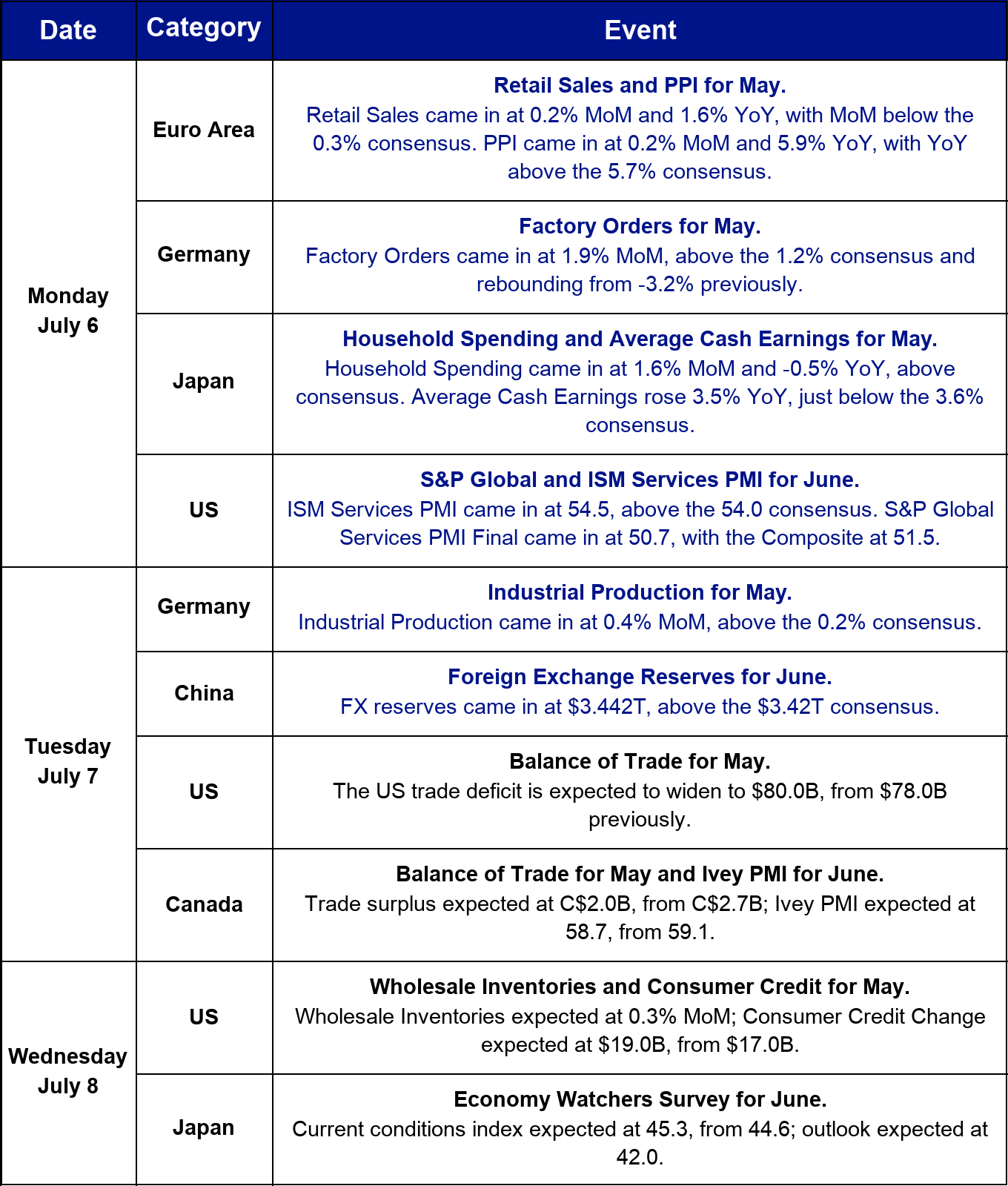
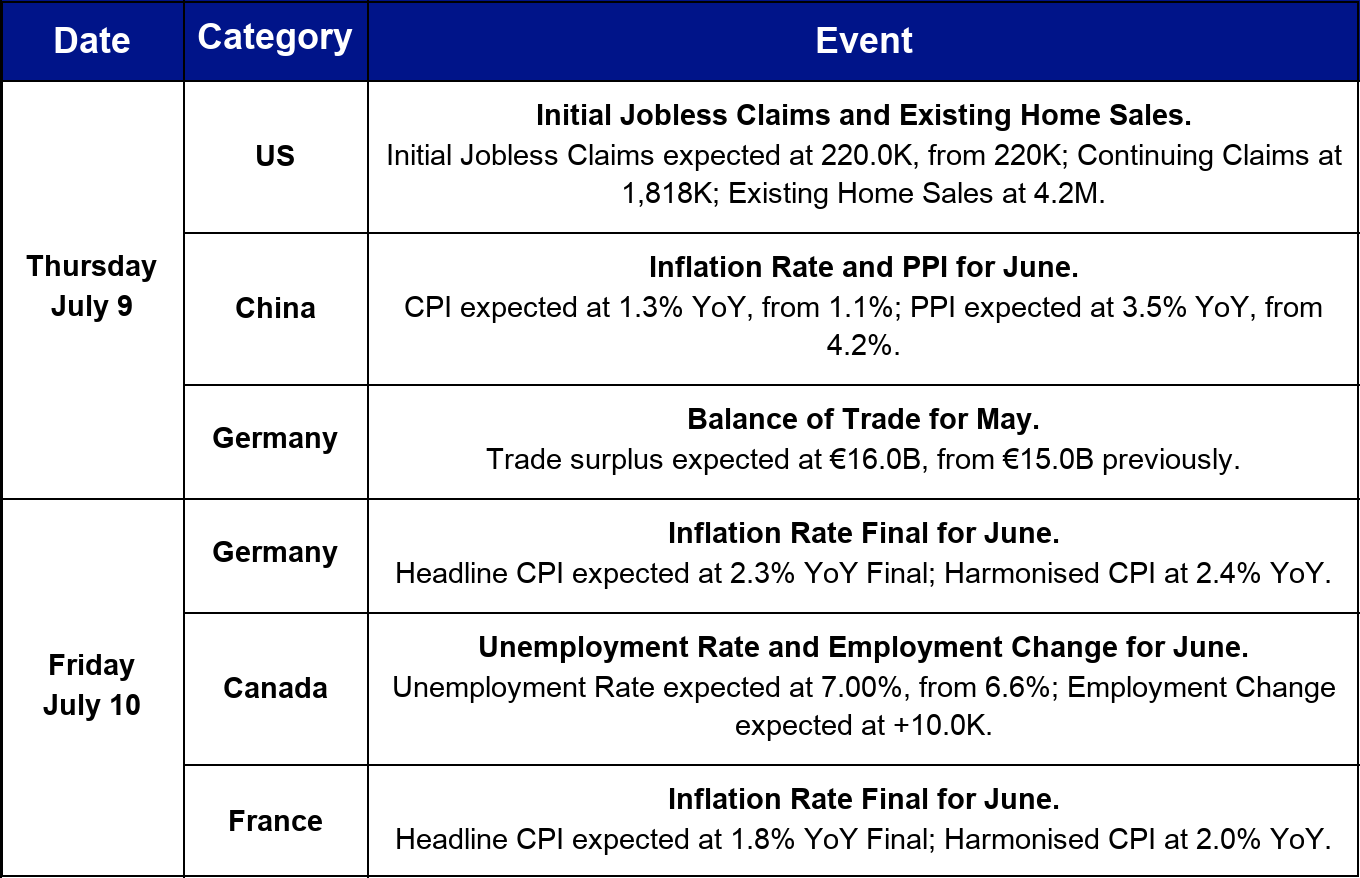
This Week's Calendar


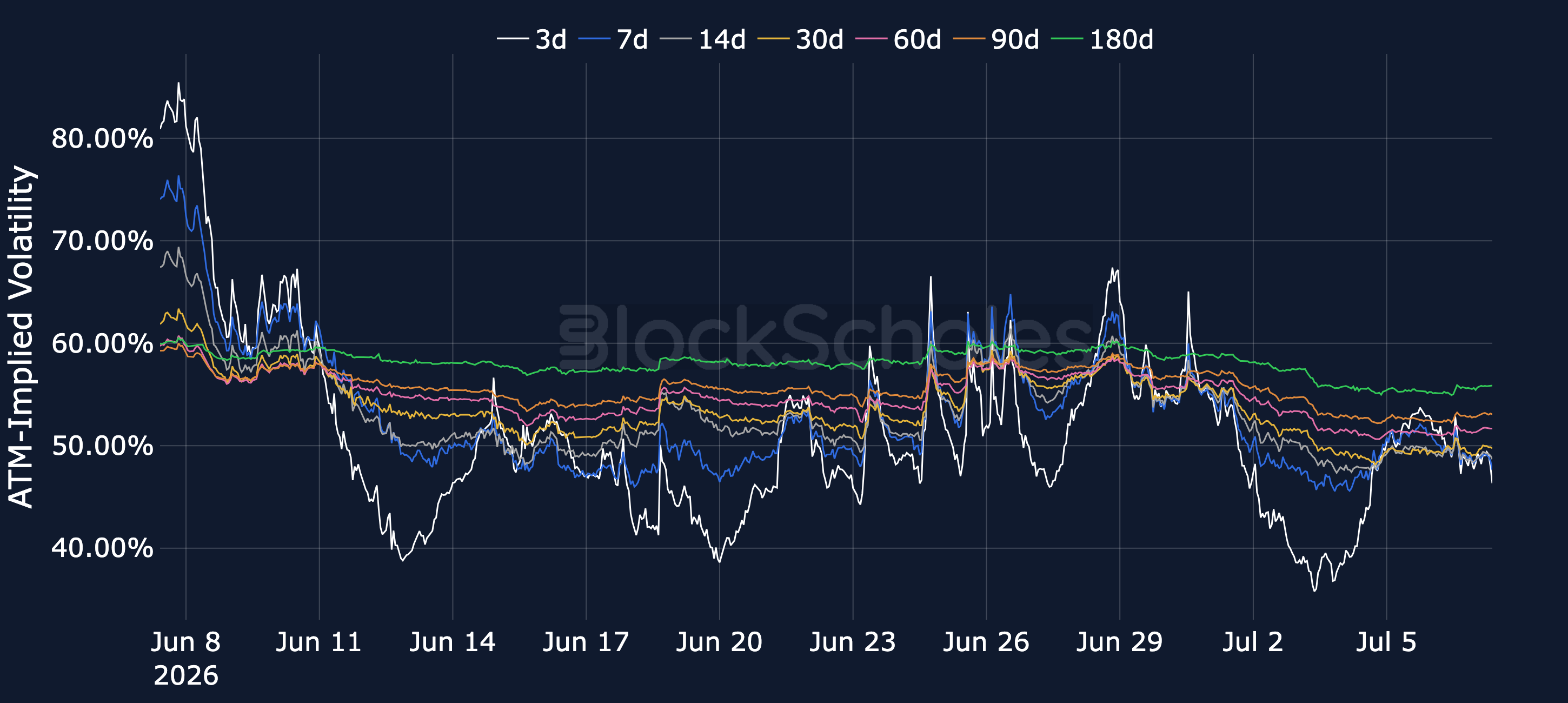
Charts of the Day