By Ahmad Mustafa Kida · 18 Apr 2024 · 4 MIN READ
DeFi Analytics 17th Apr 24
This week's edition of our DeFi Analytics report.

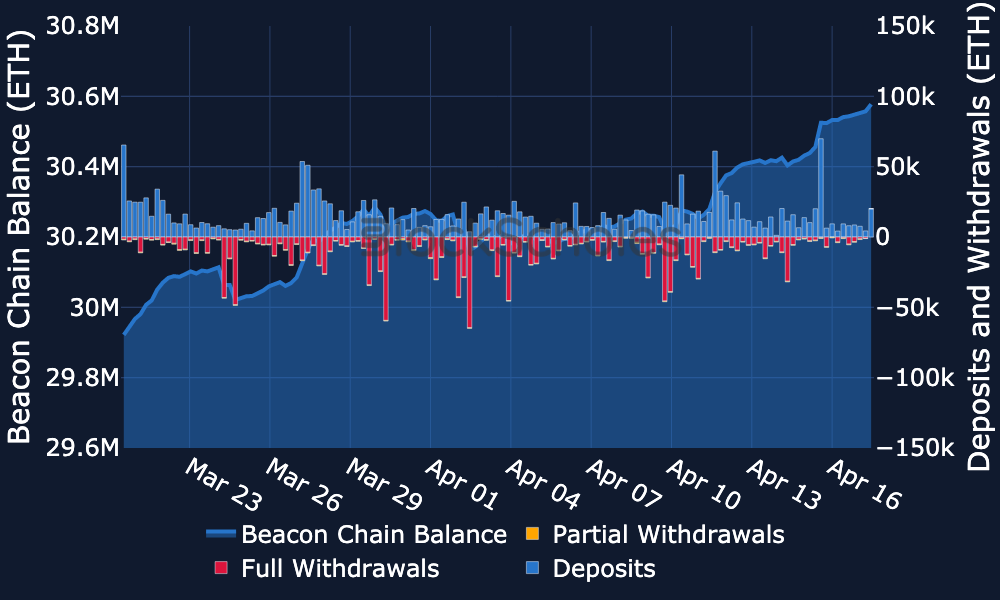
Beacon Chain
Cumulative Beacon Chain Deposits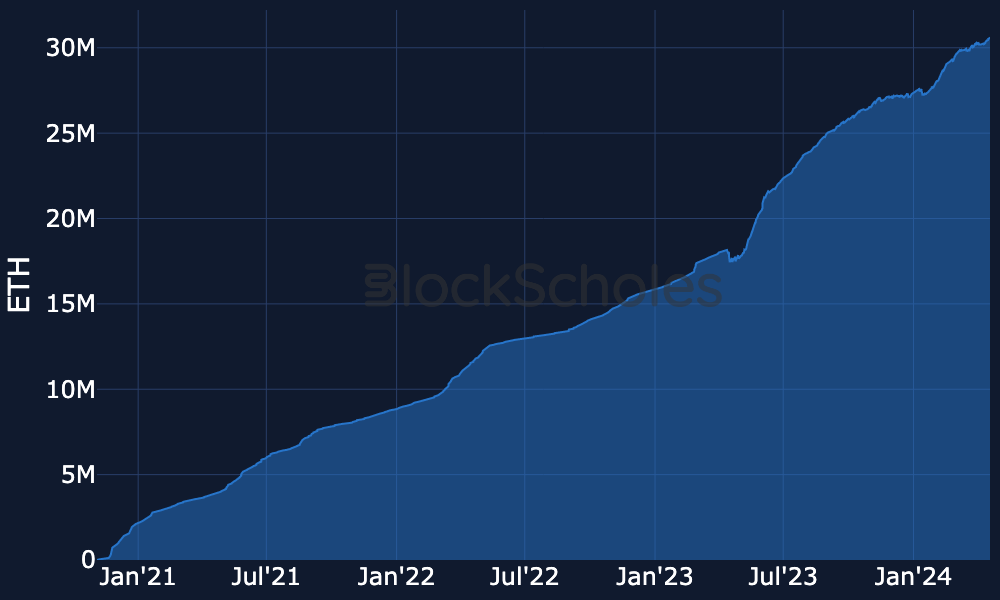
Ethereum Gas Market
Ethereum Gas fees burnt from the total supply - 5h bars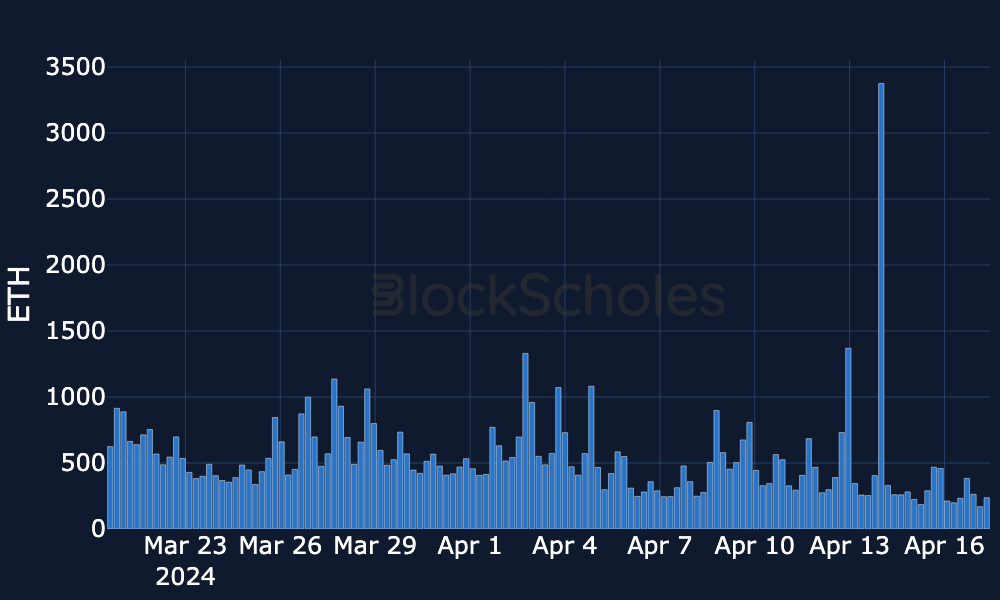
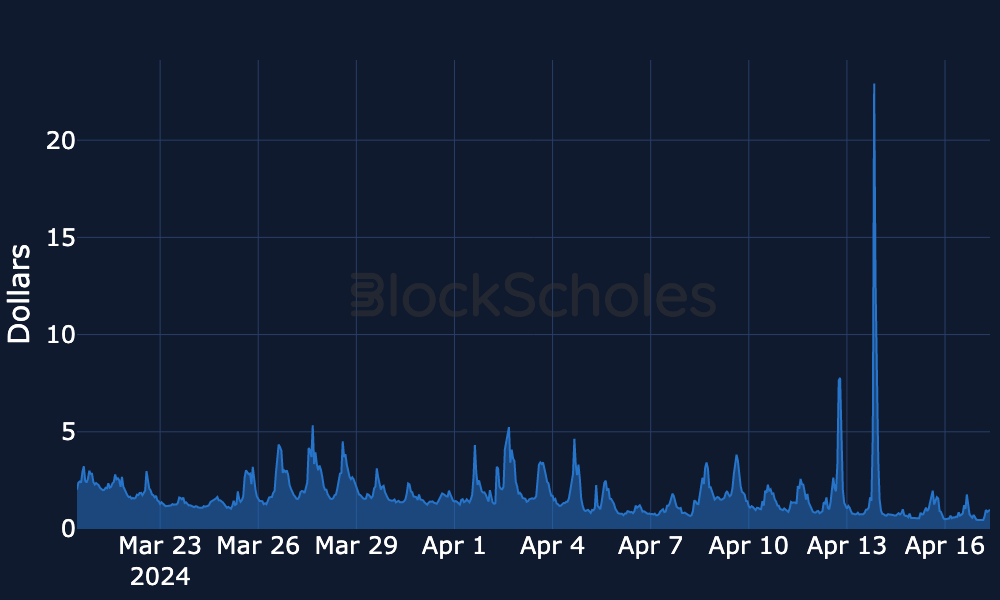
- The downtrend in transaction fees and block utilisation was briefly and aggressively interrupted amidst the crypto spot pullback that occurred from the 11th to the 13th of April
- Transaction fees spiked to over 20 dollars (for an ETH transfer) with blockspace mainly being used to capitalise on MEV opportunities that arose such as Arbitrages and Liquidations
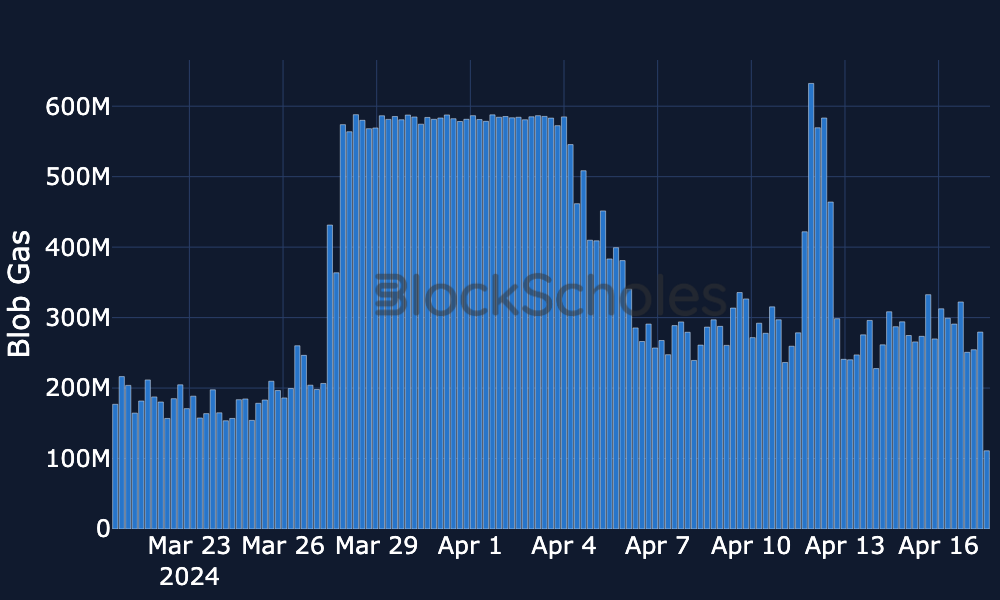
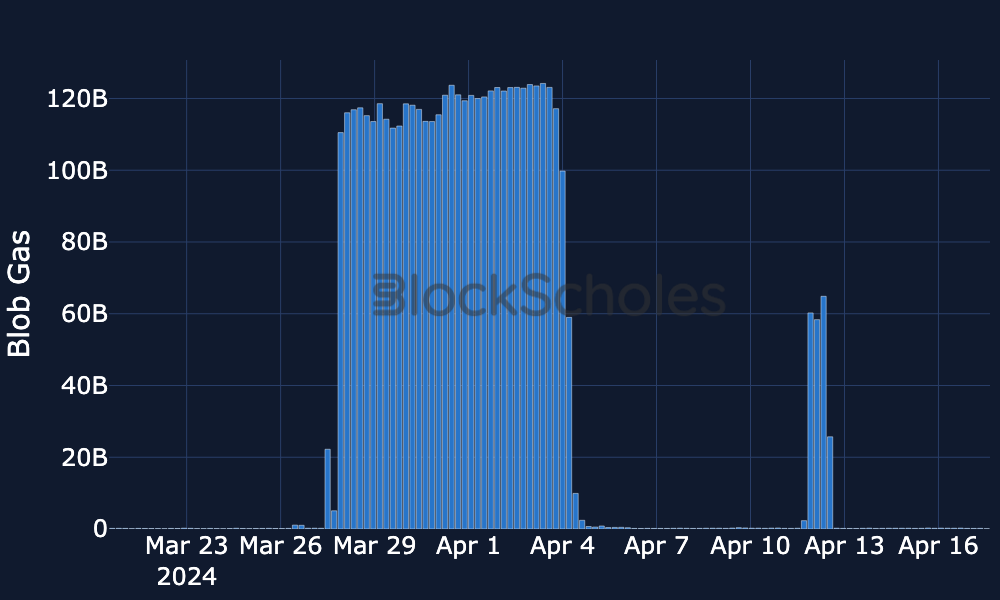
- Blobs on the Ethereum network were not exempt from the congestion during the spot pullback
- During this time, blob utilisation spiked for similar reasons as they did from the 27th of March to the 5th of April
- BlobScriptions once again saw a comeback during this period as demand for mining new Inscriptions picked up
Borrowing and Lending
Liquidity-weighted average lending yields across Aave & Compound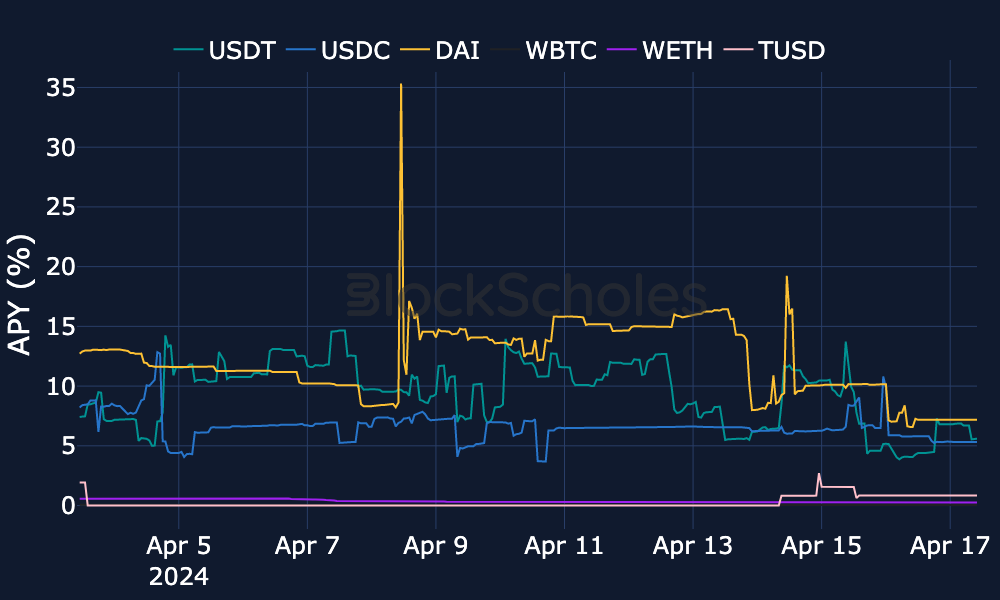
- Interestingly, the effect of the spot pullback was not felt in the lending and borrowing markets of stablecoins
- DAI, an algorithmic stablecoin saw the most volatility on the 14th of April, seeing its lending yields fro from over 15% to less than 10%
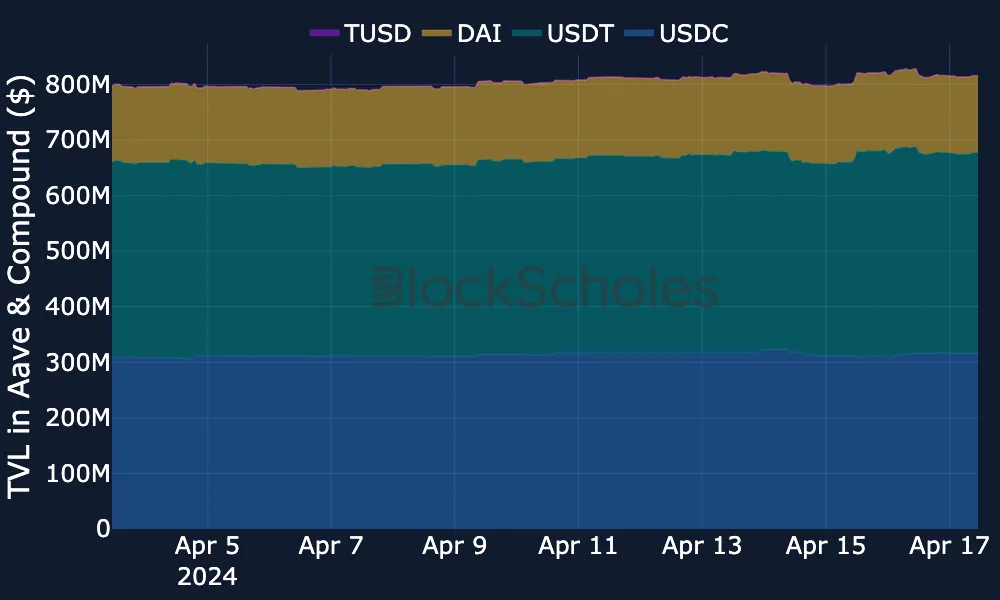
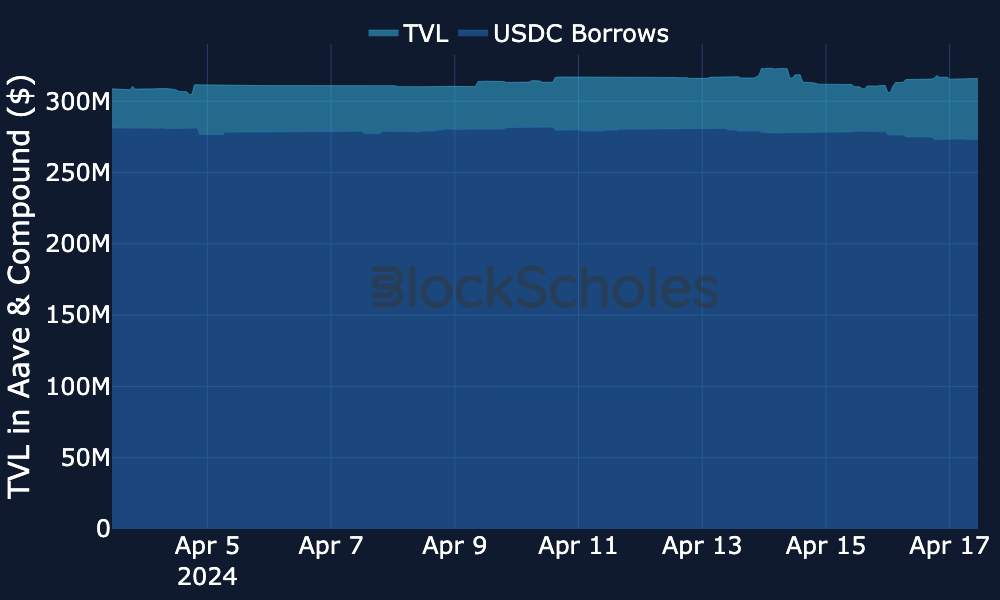
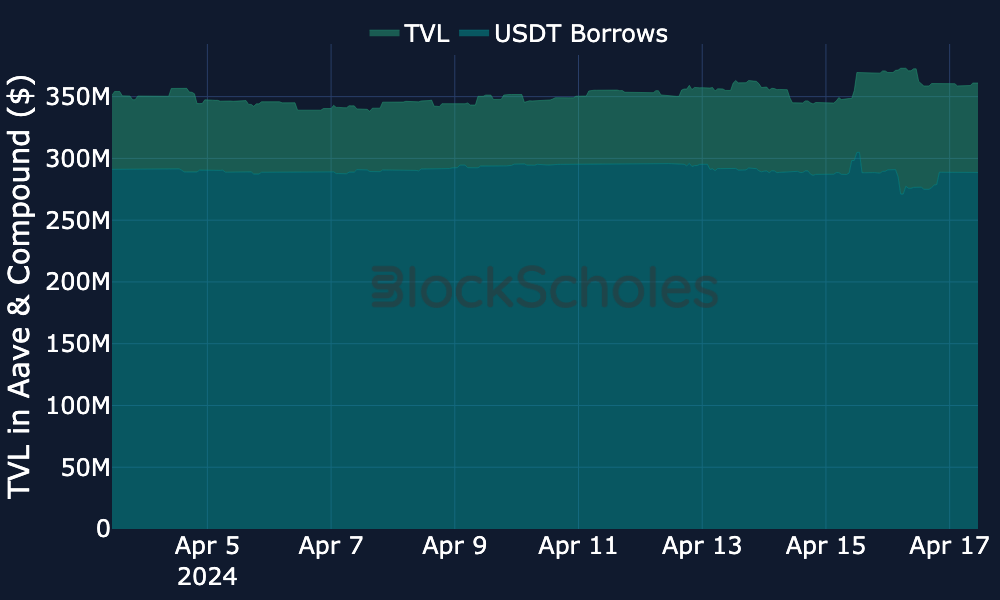
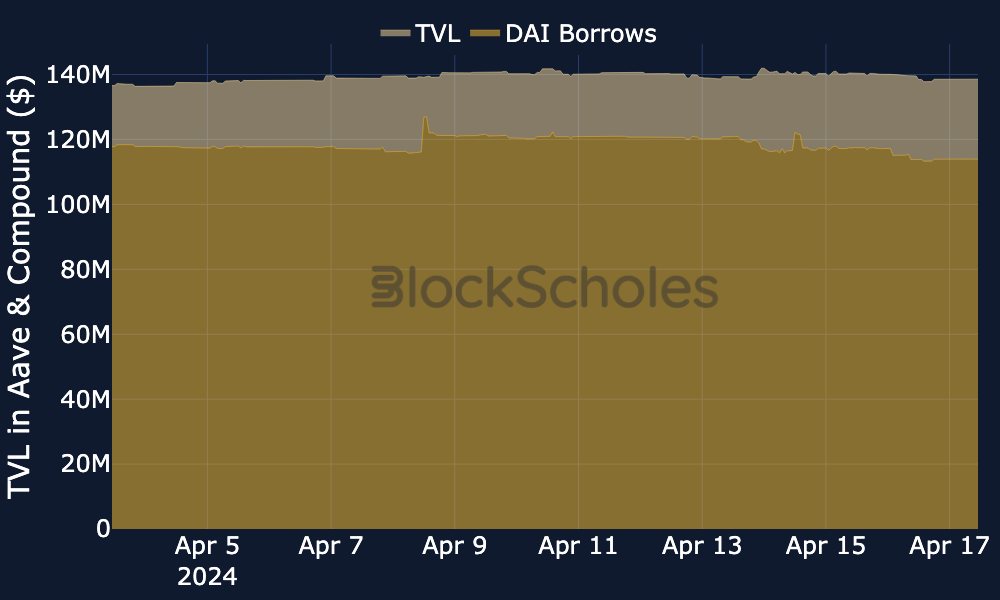
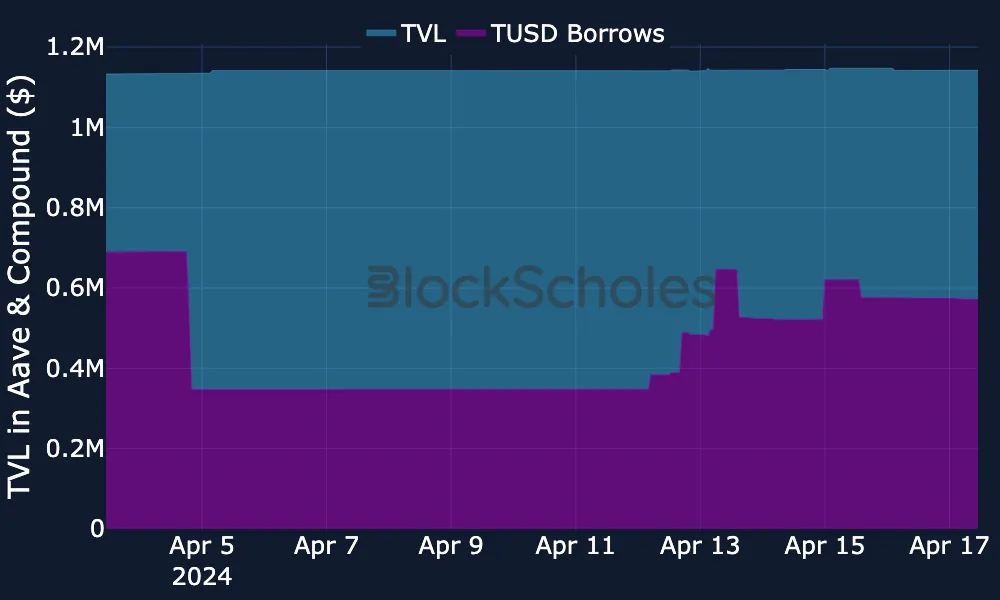
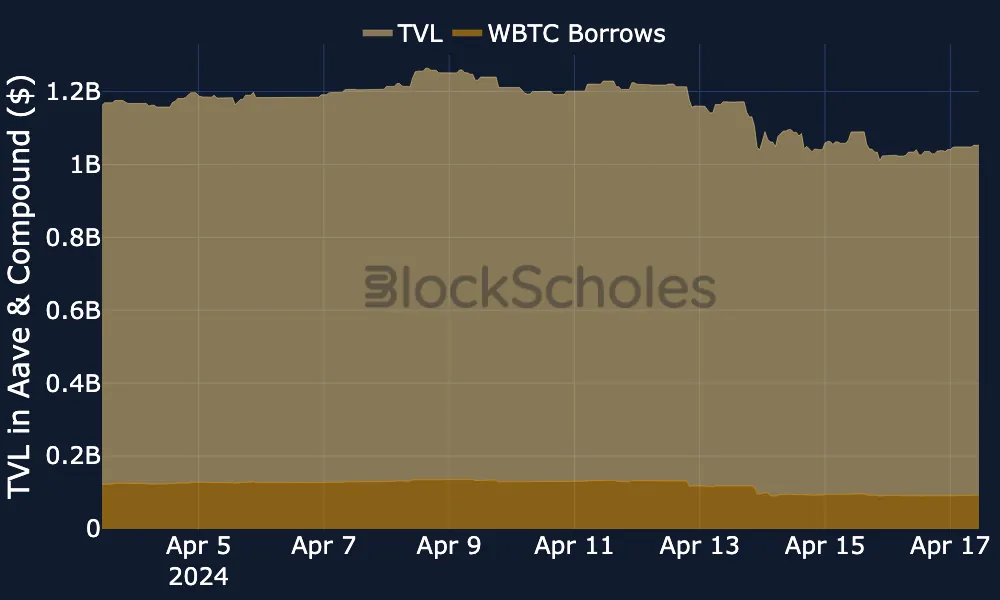
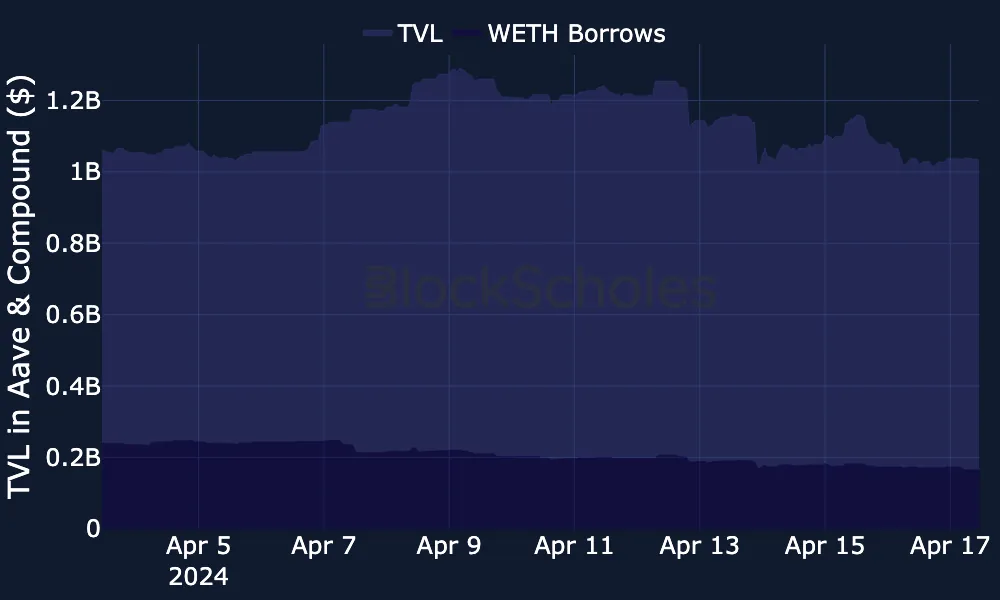
- It was however the markets of WBTC and WETH that experienced the most significant decline in TVL during this period
- The TVLs of WBTC and WETH fell by more than $200M, with depositors withdrawing their collateral, and some borrowers being liquidated out of their positions
Uniswap V3
Uniswap V3 Hourly Volumes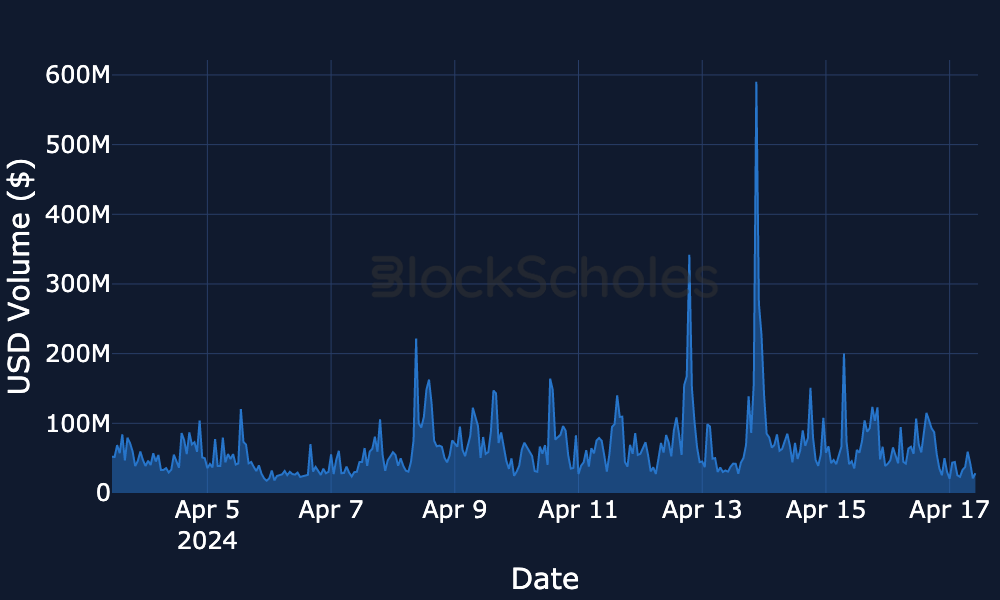
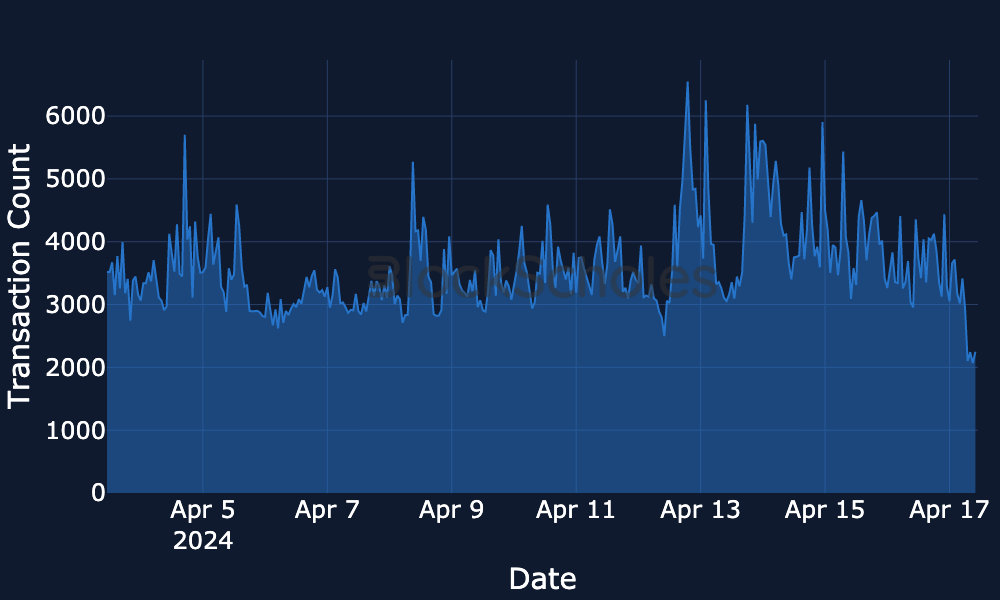
- Unsurprisingly, Uniswap saw a spike in transaction volumes on the 13th reaching an hourly peak that was nearly 3 times the peak seen in the weeks beforehand
Liquidations
Aggregate Liquidations across Aave & Compound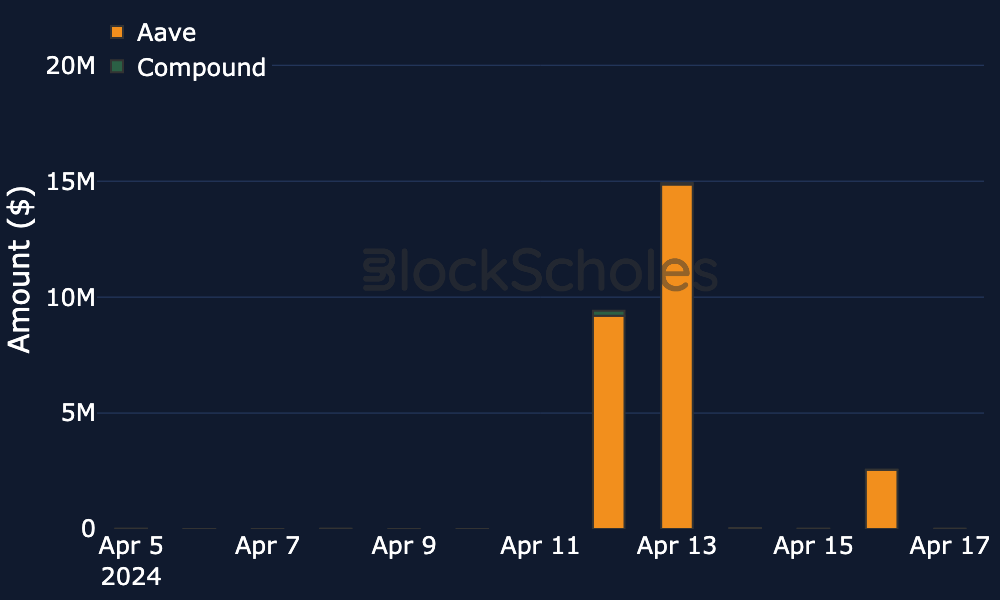
- Aave saw a significant wave of liquidations occur during the spot pullback as loans became under-collateralized and open for liquidators to liquidate
- Here are some notable WBTC liquidations that happened during the week
- Despite the magnitude of the liquidated amounts, the liquidators had to forward most of the revenue to the block builder to have their transactions included in the blocks before other liquidators, drastically reducing their profits