Powell Challenges Easing Outlook
BTC traded at approximately $76,000, down 2.0% on the day and more than 40% below its $126,000 October all-time high, following a hawkish Fed hold. The FOMC kept rates unchanged at 3.50–3.75% in an unusually divided 8–4 vote, while Chair Powell’s warning on energy-driven inflation supported a 0.4% rise in DXY. Equities were comparatively resilient, with the S&P 500 closing 0.04% lower and the Nasdaq-100 edging higher, while stablecoin adoption remained a constructive theme across Visa, Meta, Solana and TRON.

Find out our latest reports, listed below:
- Tokenised Markets on Bitget UEX: How Traders Are Utilising 24/7 Real-World Assets For Real Time Macro Hedging
- Block Scholes x Panoptic: Bridging The Onchain Convexity Gap
- Volatility Report: February 2026
Market Snapshot: Overnight Moves

Daily Updates:
- After yesterday's hawkish Fed hold, BTC is now trading around $76k, down roughly 2% on the day and off about 1.9% from yesterday's $77k print, leaving it more than 40% below the $126k all-time high set last October.
- The slide in spot price has also coincided with a sharp move higher in the dollar and a renewed risk-off tone, after the FOMC voted 8-4 to keep the funds rate at 3.50–3.75% — the most divided decision since 1992 — and Chair Powell warned that the energy-price surge had "not yet peaked," flagging that the easing bias could be dropped as soon as the next meeting.
- The S&P 500 absorbed the hawkish tilt without much damage and closed marginally lower at $7,135.95, down 0.04%, while the Nasdaq-100 actually edged up to $27,186.99 as traders positioned ahead of Microsoft, Meta, Alphabet and Amazon earnings. The dollar was the clear winner: DXY climbed about 0.4% to roughly 98.98, peaking near 99.05 during Powell's press conference before fading slightly into the close.
- The Fed held rates at 3.50–3.75%, marking a third consecutive pause, as March CPI came in at 3.3% y/y, the highest since May 2024.
- The outlook is increasingly two-sided, with one official favouring an immediate cut and three opposing the statement’s continued easing bias, highlighting deeper division over whether inflation risks still justify a more restrictive stance.
- Forward guidance may soon shift, with the Fed already upgrading inflation language to “elevated” and signalling discomfort with premature easing, while markets have repriced to fewer cuts in 2026 as energy-driven inflation and geopolitical risks (including oil shocks) keep upside risks in focus.
- Policymakers reiterated their commitment to keeping policy restrictive until inflation returns sustainably to 2%, while explicitly maintaining optionality in both directions, as reflected in the split Committee and acknowledgement that further tightening remains possible if disinflation stalls.
- Labour demand softened in the latest data referenced by the Fed, with job gains described as low and unemployment largely unchanged, while inflation remains elevated as officials pointed to energy as a key near-term driver, noting gasoline prices up ~10–15% in recent months and higher gasoline costs feeding into household inflation expectations.
- Jerome Powell signalled this was likely his final press conference as Chair, though he is expected to remain on the Board beyond mid-May, while Kevin Warsh—nominated to succeed Powell as Fed Chair—has advanced through the Senate Banking Committee in a 13–11 vote and is now awaiting a full Senate vote.
- Donald Trump has intensified calls for rate cuts, reportedly pushing for reductions of 100bps or more, and has publicly criticised the Fed for maintaining restrictive policy despite moderating inflation. Meanwhile, Fed officials reiterated that policy decisions will be driven by economic data and their mandate, pushing back against political pressure and emphasising institutional independence.
- The Bank of England is widely expected to hold rates at 3.75%, which will be announced at midday on Thursday, taking a cautious stance as it assesses the inflationary impact of the US-Iran conflict, alongside publishing updated forecasts in its first full monetary policy report since late February.
- UK inflation has moved higher, with CPI rising to 3.3% y/y in March (a three-month high), driven by energy, as motor fuel prices surged 8.7% m/m—the largest increase since June 2022, while firms surveyed by the BoE now see food inflation potentially reaching ~7% next year.
- Economic activity has shown resilience despite rising price pressures, with GDP expanding 0.5% in February (vs. 0.1% expected) and retail sales volumes strengthening, particularly in fuel purchases, even as estimates suggest the energy shock could impose a ~£35bn drag on the UK economy and persist for up to 12 months after the conflict ends.
- South Korea’s Shinhan Card, one of the country’s largest credit card companies, has partnered with the Solana Foundation to test real-world stablecoin payments on the Solana blockchain.
- The partnership will involve a proof-of-concept project focused on payment scenarios between customers and merchants using Solana’s testnet.
- The project will explore hybrid finance models that combine traditional financial services with DeFi infrastructure, including the use of oracles to connect real-world transaction data with blockchain networks.
- South Korean crypto venture capital firm Hashed, which invests in blockchain and Web3 companies, has secured a Financial Services Permission from Abu Dhabi Global Market.
- The licence allows Hashed Global Management Limited to conduct regulated financial activities in or from ADGM, including advising on investments, arranging investment deals, managing assets, and operating a collective investment fund.
- Hashed said the approval will help it work more closely with Middle Eastern institutional investors and strengthen investment links between the UAE and South Korea.
- RealOpen, a platform that enables crypto holders to buy real estate using digital assets, has verified with TRON $9.4M in USDT on the TRON blockchain during a U.S. campaign promoting crypto-enabled real estate purchases, according to their announcement on the website.
- The initiative, which ran from November 2025 to February 2026, attracted 343 sign-ups, 27 completed KYC verifications, and onboarded 69 real estate agents through the related TRON Real Estate Challenge.
- Meta has started offering eligible creators the option to receive payouts in USDC stablecoins through crypto wallets on the Solana and Polygon blockchains.
- Creators can connect a supported wallet to Meta’s payout system and receive funds owed to them in USDC, with Stripe acting as the payments provider. Meta said creators may also receive crypto-related reporting from Stripe and should keep both Meta and Stripe records for tax purposes.
- Visa’s stablecoin settlement pilot has reached a $7B annualised run rate, after the payments giant expanded the programme to support nine blockchains.
- The latest expansion adds Arc, Base, Canton, Polygon and Tempo to Visa’s settlement infrastructure, joining existing support for Avalanche, Ethereum, Solana and Stellar.
- Visa said the broader rollout is designed to standardise stablecoin settlement across multiple blockchain networks while giving partners access to a single payments infrastructure layer.
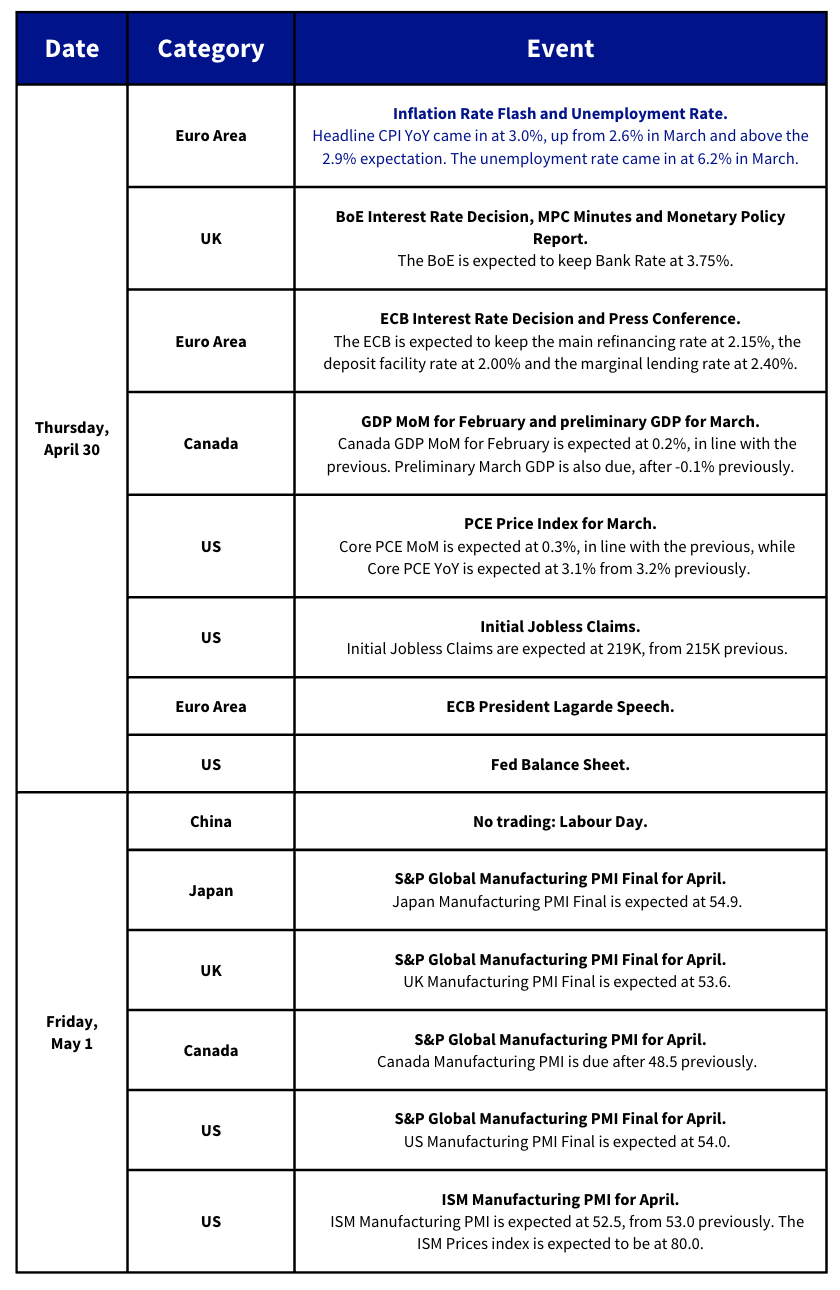
This Week’s Calendar:


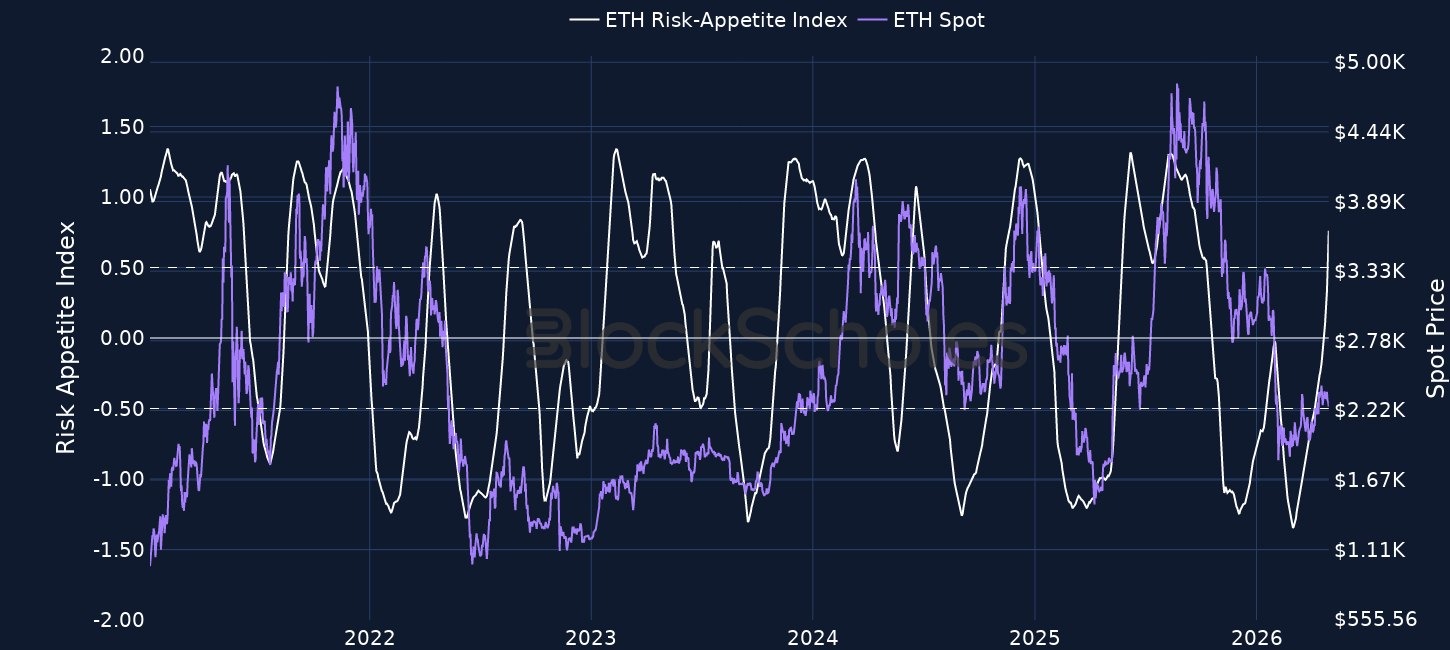
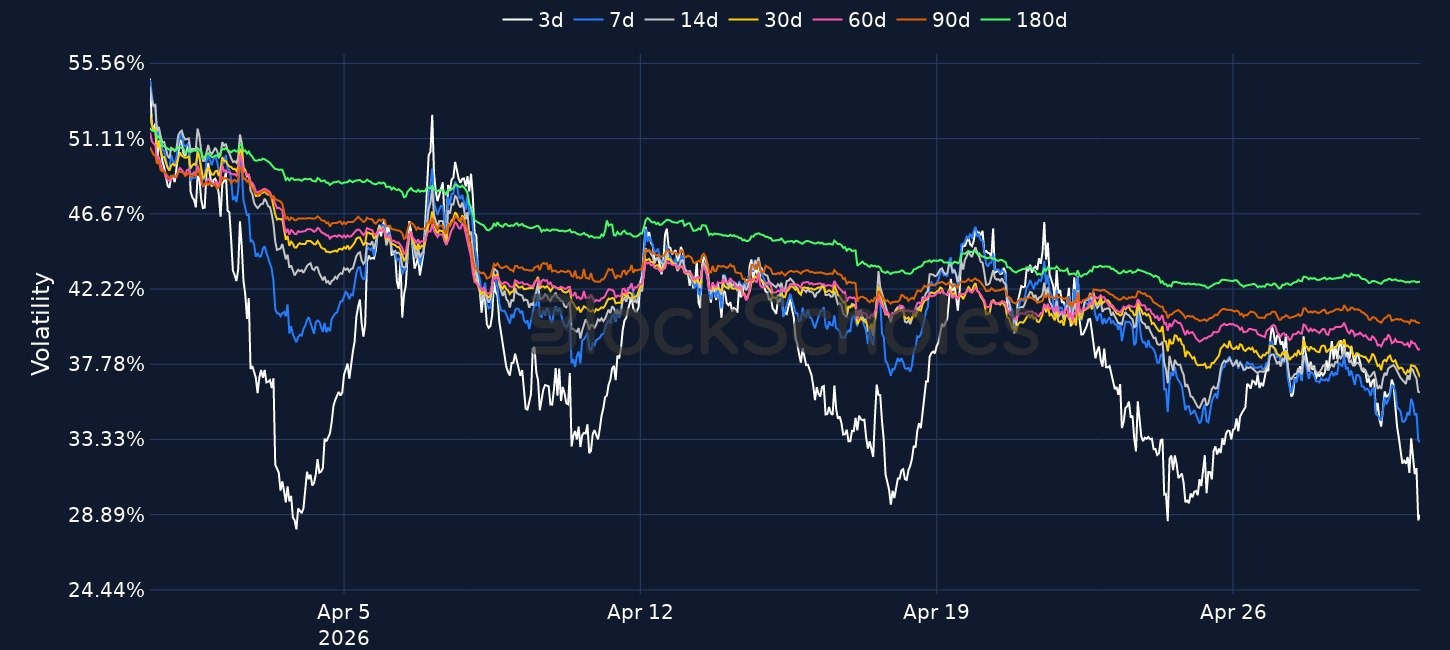
Charts of the Day: