BTC Climbs to 12-Week High
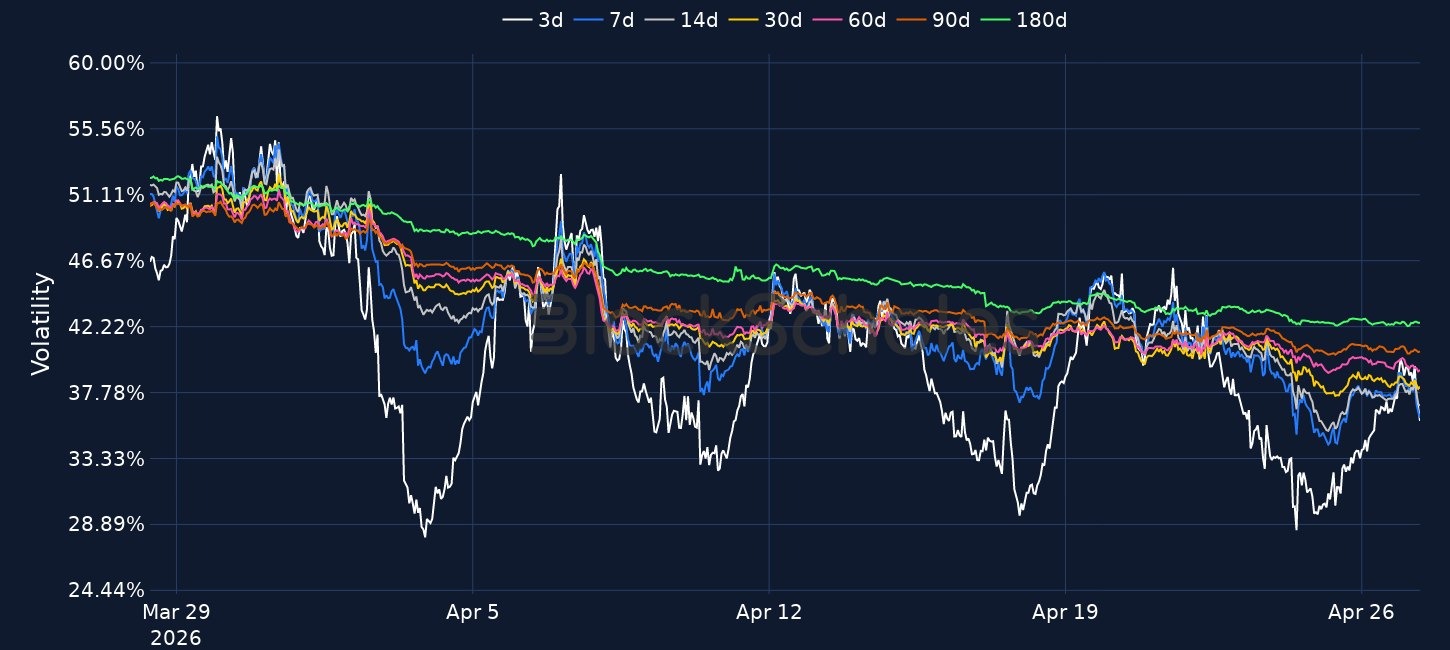
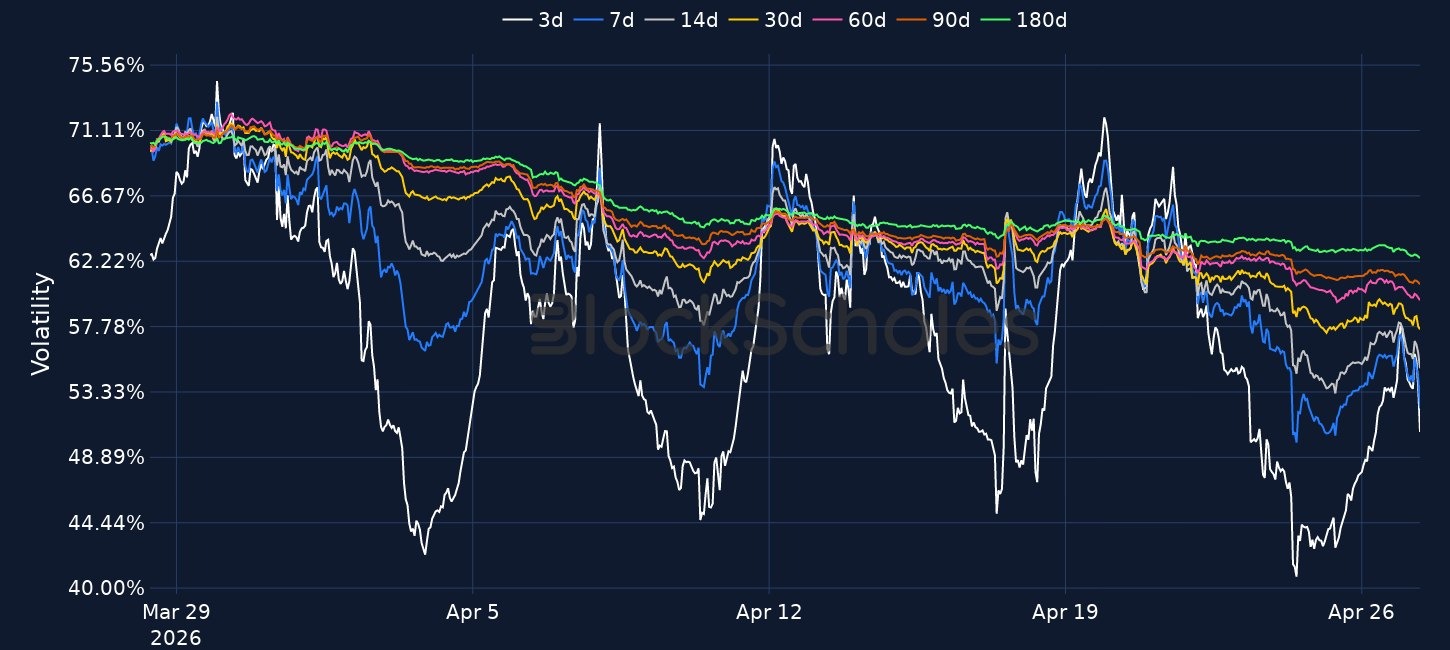
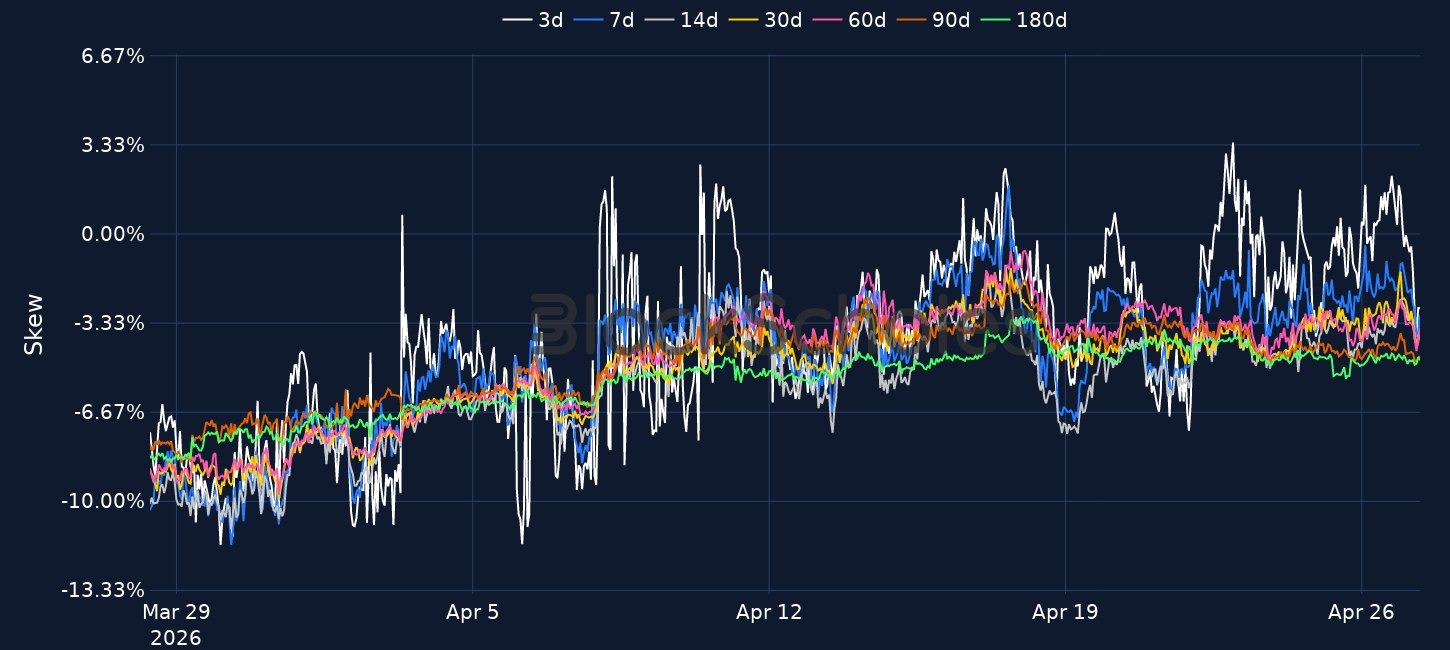
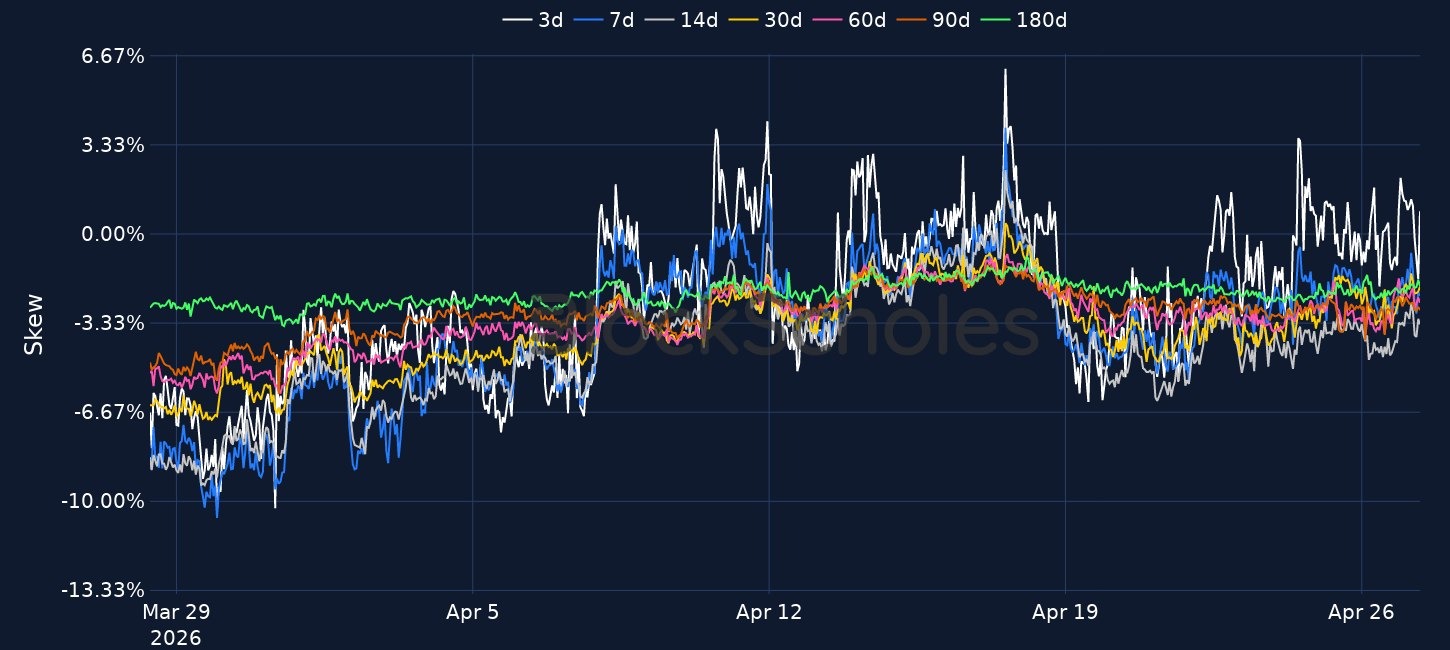
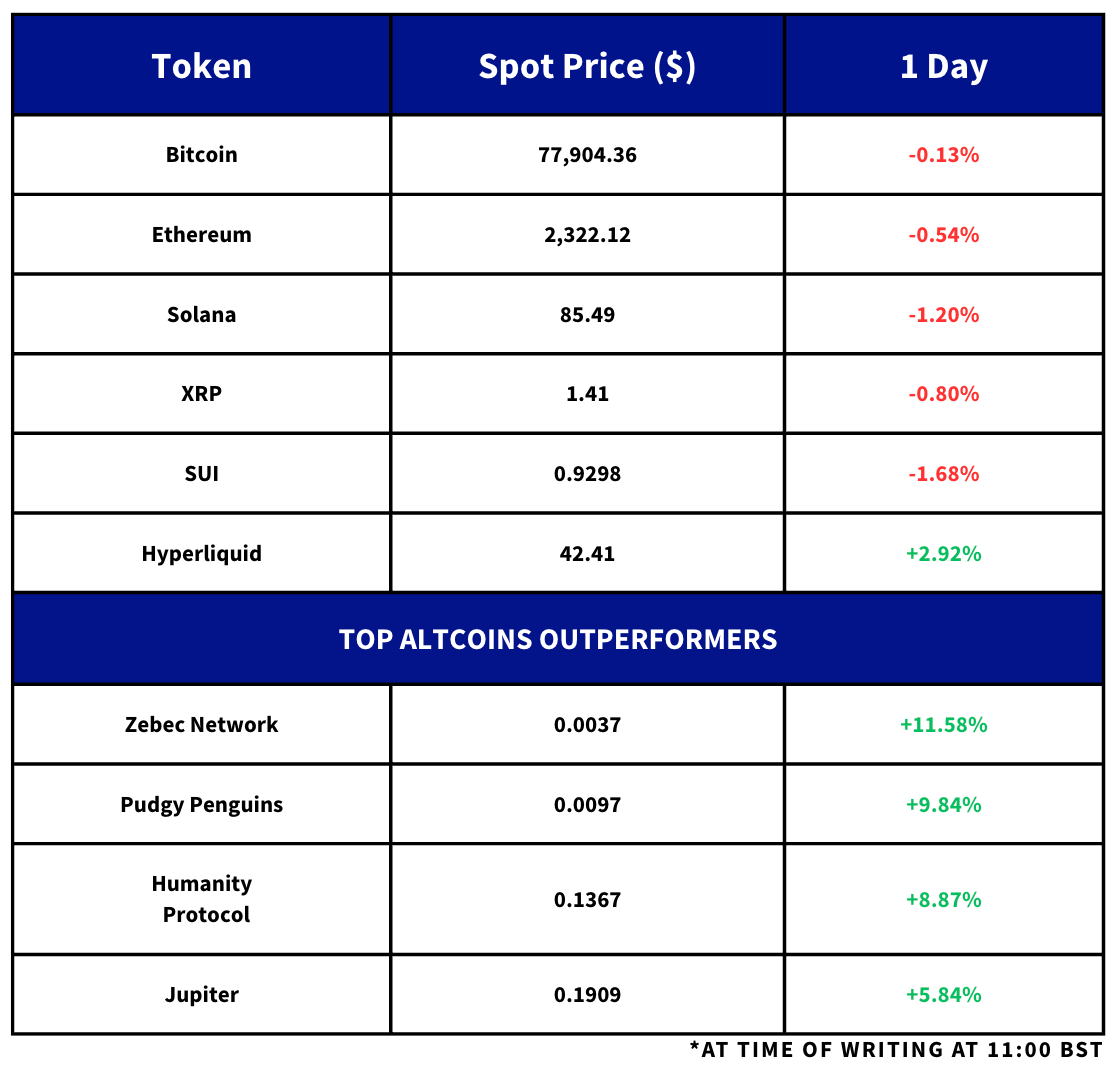
BTC briefly rallied to a 12-week high above $79.4K before reversing towards $77.5K, as risk sentiment continued to trade around shifting headlines on the Strait of Hormuz and US-Iran negotiations. Crypto ETP demand remained constructive, with global products recording $1.2B of inflows last week — the fourth consecutive positive week — led by $932.5M into BTC products and $192.4M into ETH. Meanwhile, broader risk assets stayed supported, with the S&P 500 up 0.8% on Friday for its fourth straight weekly gain, while two-year Treasury yields fell from 3.84% to 3.77%.

Find out our latest reports, listed below:
- Tokenised Markets on Bitget UEX: How Traders Are Utilising 24/7 Real-World Assets For Real Time Macro Hedging
- Block Scholes x Panoptic: Bridging The Onchain Convexity Gap
- Volatility Report: February 2026
Market Snapshot: Overnight Moves

Daily Updates:
- With geopolitical headlines and negotiations around the reopening of the Strait of Hormuz still acting as the primary driver of risk-sentiment, crypto spot prices have whipsawed over the past weekend and early Monday morning.
- On Friday BTC traded around $78K while US equities closed at record highs once more as optimism around a second round of negotiations, which have so far been delayed, grew.
- Global crypto investment products, including exchange-traded products, recorded $1.2B of net inflows last week.
- The latest figures marked a fourth consecutive week of positive flows, suggesting that institutional demand for crypto exposure continues to recover.
- Bitcoin products led the move with $932.5M of inflows, while Ethereum funds added $192.4M and Solana and XRP products also attracted new capital.
- The S&P 500 rallied 0.8%, driving the index to its fourth straight weekly gain, the longest such streak since the week ending Oct. 18, 2024.
- According to White House Press Secretary, President Trump had planned to send special envoy Steve Witkoff and his son-in-law Jared Kushner to Pakistan for weekend talks.
- However, by Saturday, those efforts had been thwarted — BTC lingered around $77K as President Trump cancelled the trip, reportedly telling his negotiators “We have all the cards. They can call us anytime they want, but you’re not going to be making any more 18 hour flights to sit around talking about nothing”.
- On the other hand, Iran’s Foreign Minister Abbas Araghchi, wrote on X that Iran has “yet to see if the U.S. is truly serious about diplomacy.”
- Meanwhile, as part of the US’s blockade of Iranian energy exports, on Saturday the US Navy intercepted a sanctioned vessel in the Arabian Sea, forcing the vessel to turn back to Iran under escort from the Navy.
- Sentiment has since rebounded: in the early morning BTC rallied to a 12-week high above $79,400 before reaching a sharp wall of resistance and falling back towards $77,500.
- That rally was driven by a report from Axios that Iran had offered the US a new proposal which would involve a reopening of the Strait of Hormuz, with nuclear negotiations taking place at a later stage after both sides lift their blockades in the waterway.
- US Treasury yields fell across the curve on Friday after the Justice Department dropped its investigation into building-renovation cost overruns at the Federal Reserve.
- The US Attorney for the District of Columbia, Jeanine Pirro, said in a social media post on Friday “I have directed my office to close our investigation as the IG [Office of Inspector General] undertakes this inquiry”.
- Two-year yields fell from 3.84% down to 3.77% — so far in April the two-year yield has fluctuated within a 16bps range, the tightest since December 2020 according to Bloomberg.
- Litecoin suffered a major chain change after attackers exploited a zero-day vulnerability linked to its MimbleWimble Extension Block privacy layer.
- According to the Litecoin Foundation, the vulnerability allowed mining nodes running older software to validate an invalid MWEB transaction, enabling coins to be improperly pegged out of the privacy extension and routed to third-party decentralised exchanges.
- The incident reportedly affected blocks 3,095,930 to 3,095,943, creating a more than three-hour window during which attackers attempted double-spends against cross-chain swap protocols that had accepted transactions later removed from Litecoin’s main transaction history.
- The network ultimately reverted 13 blocks, removing the invalid MWEB-related transactions from the canonical Litecoin chain.
- The Litecoin Foundation said valid transactions from the period were unaffected and that the vulnerability has now been patched.
- KBank, the South Korean internet-only bank that serves as the sole banking partner for crypto exchange Upbit, announced on Monday that it has entered into a strategic partnership with Ripple to test onchain cross-border remittances.
- The proof-of-concept will assess whether Ripple’s blockchain infrastructure can improve the speed, cost and transparency of international transfers.
- The first phase has already verified a wallet-based remittance system, while the second phase will test the stability of onchain transfers in a virtual environment, including routes to markets such as the UAE and Thailand.
- The initiative is still experimental, but it is a constructive signal that regulated financial institutions in South Korea are actively exploring practical blockchain payment use cases ahead of the country’s forthcoming Digital Asset Basic Act.
- Western Union, one of the world’s largest money transfer and remittance companies, is preparing to launch its Solana-based U.S. dollar-backed stablecoin, USDPT, next month.
- The company said during its 24 April earnings call that USDPT will initially be used for onchain settlement with agent partners, rather than as a consumer-facing token, positioning it as a faster alternative to traditional settlement rails such as SWIFT.
- Alongside USDPT, the company is launching its Digital Asset Network to connect crypto wallets with Western Union’s retail infrastructure, while a planned USD Stable Card would allow consumers in dozens of markets to hold dollar-denominated stablecoin value and spend globally.
- Aave service providers, along with Ether.fi, KelpDAO, LayerZero, Compound, and others, have submitted a proposal to the Arbitrum DAO to release ETH that was frozen after the April 18 rsETH incident.
- If approved, the funds will be allocated to “DeFi United,” a coordinated cross-protocol recovery initiative aimed at restoring rsETH backing and addressing user losses, alongside a broader recovery fund dependent on DAO approvals.
- The group has aligned on technical implementation steps and is progressing with recovery efforts, while a compensation pool has been put forward by KelpDAO and related partners offering affected users potential full reimbursement within a limited claim window.
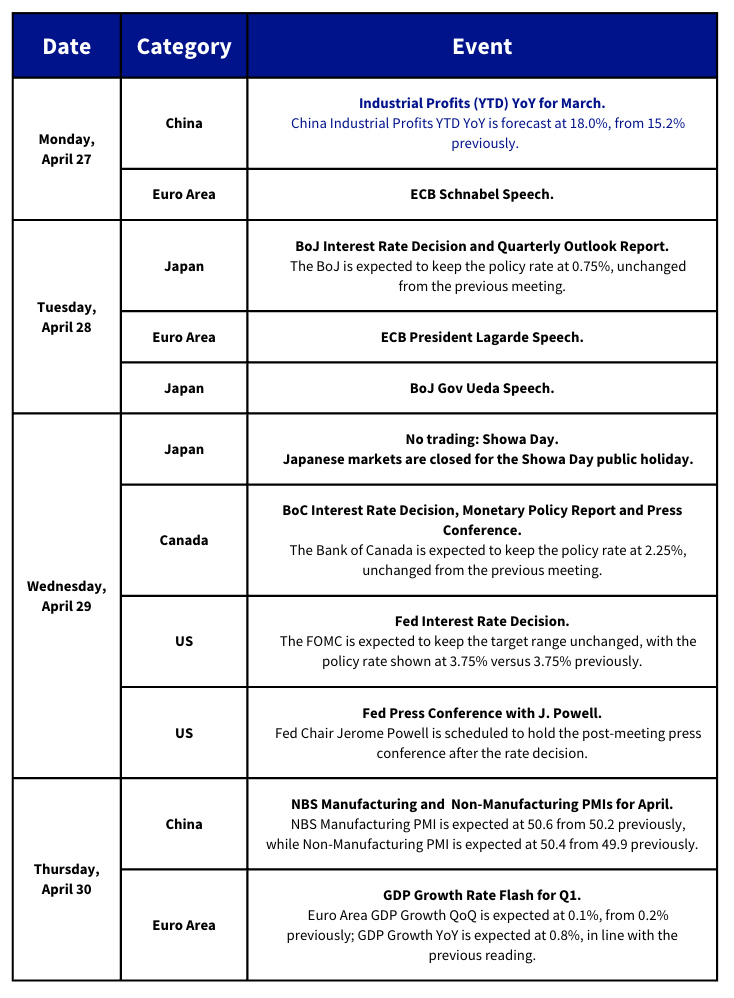
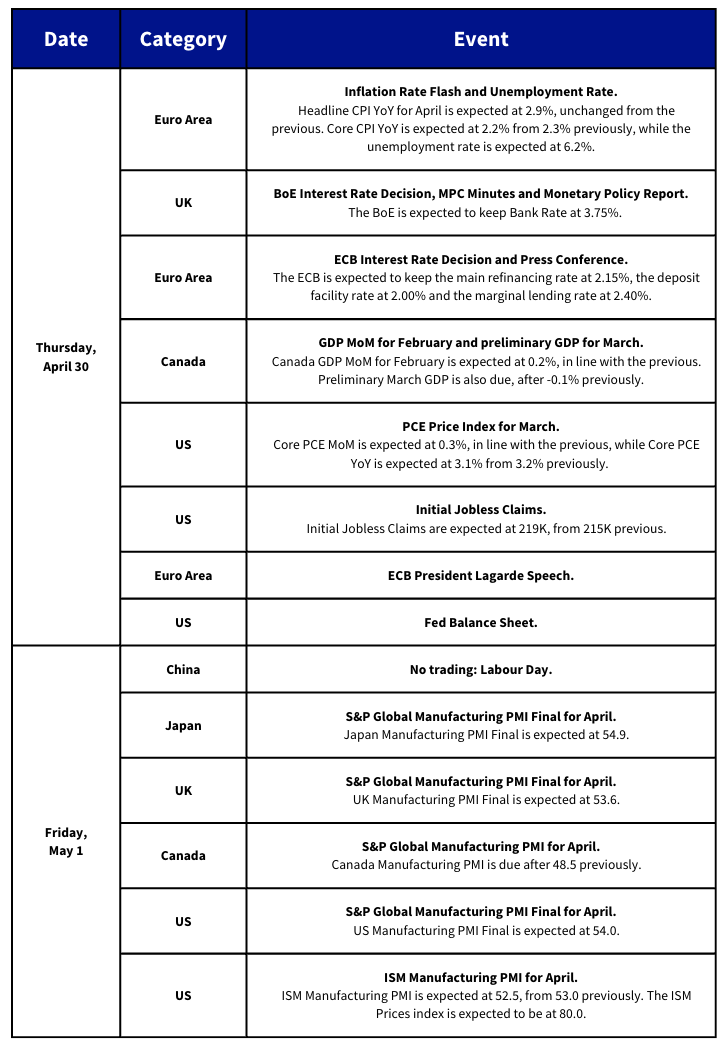
This Week’s Calendar:


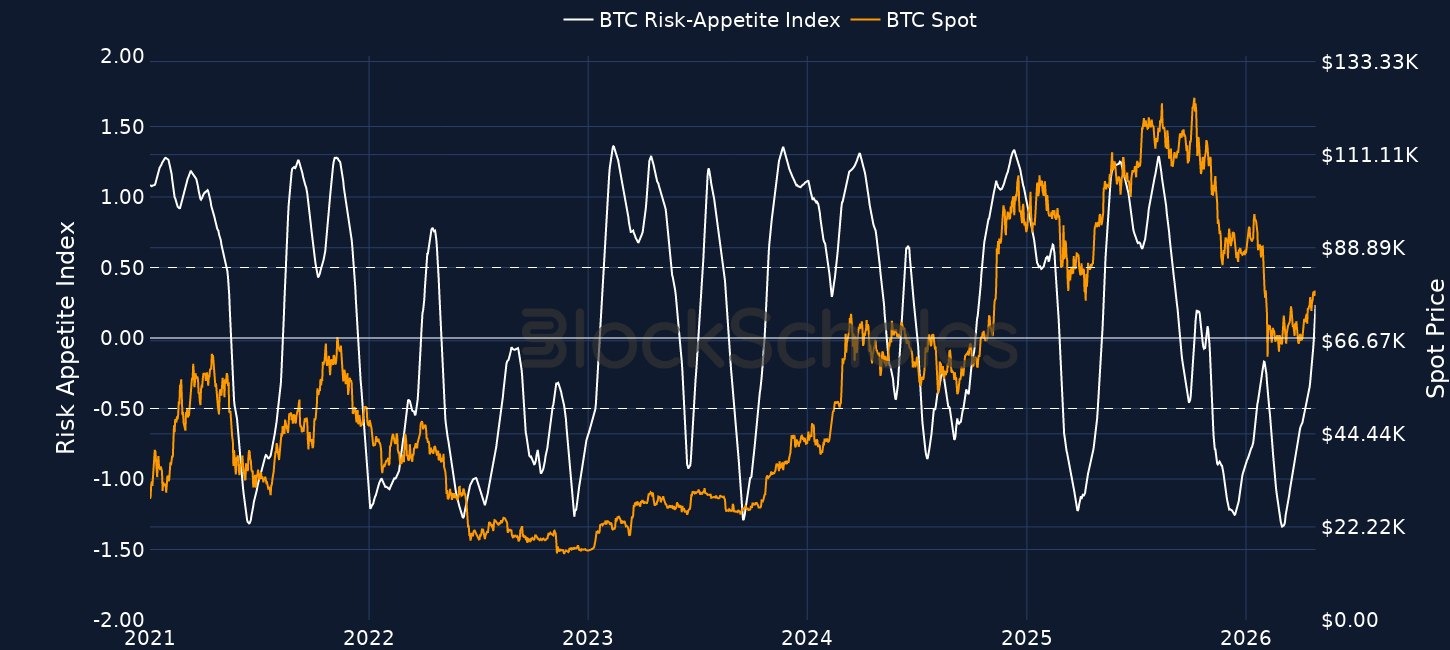
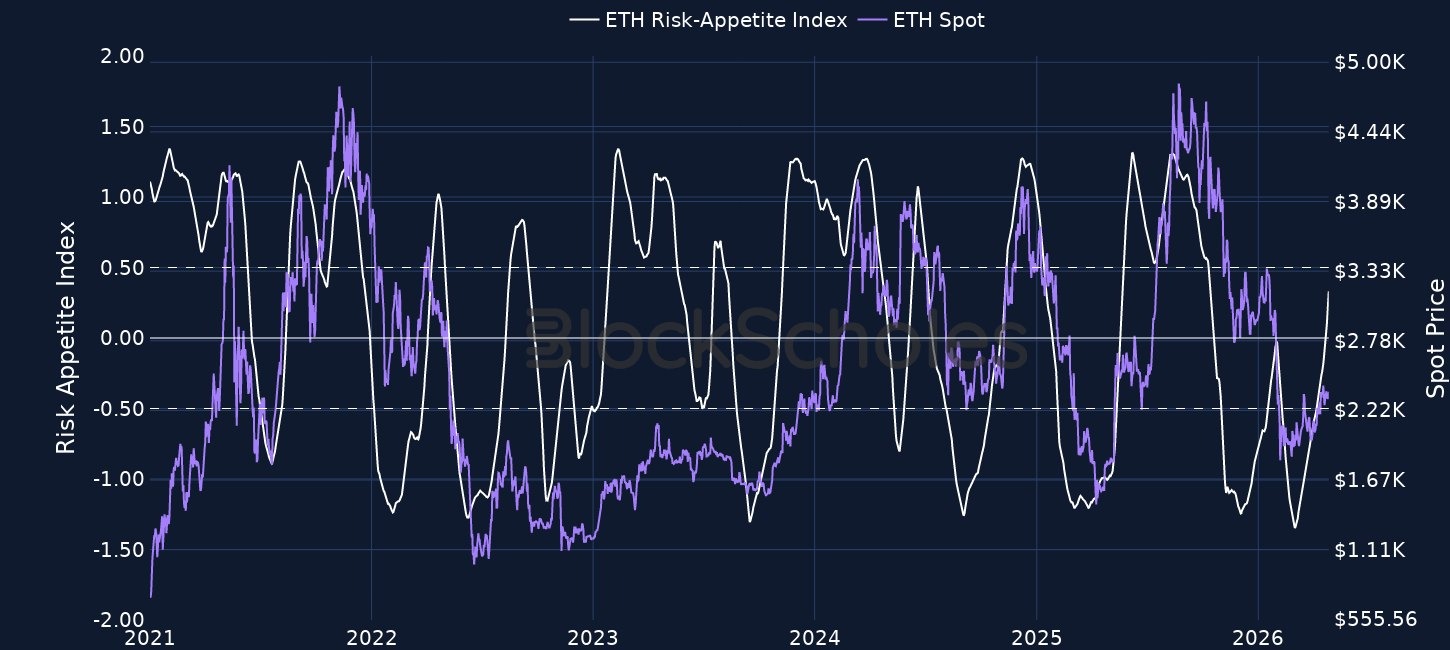
Charts of the Day: