”We Will Begin the Process of BLOCKADING the Strait of Hormuz”
US-Iran tensions intensified after weekend talks failed to secure a deal on Tehran’s nuclear programme, with Trump announcing a US naval blockade of the Strait of Hormuz, sending Brent above $100/bbl and triggering a broader risk-off move across BTC and US equity futures. The resulting energy shock is now feeding into US macro data, with March CPI rising 0.9% m/m on a record gasoline surge and April consumer sentiment falling to an all-time low. In crypto, Bitwise moved closer to launching a US spot Hyperliquid ETF, the ECB backed centralised EU oversight of major crypto firms under ESMA, and Securitize expanded its tokenised RWA strategy through a new TRON integration.

Find out our latest reports, listed below:
- Block Scholes x Panoptic: Bridging The Onchain Convexity Gap
- Volatility Report: February 2026
- 2026 – the year of RWA perps?
- Bybit x Block Scholes: “2026: It's Different This Time
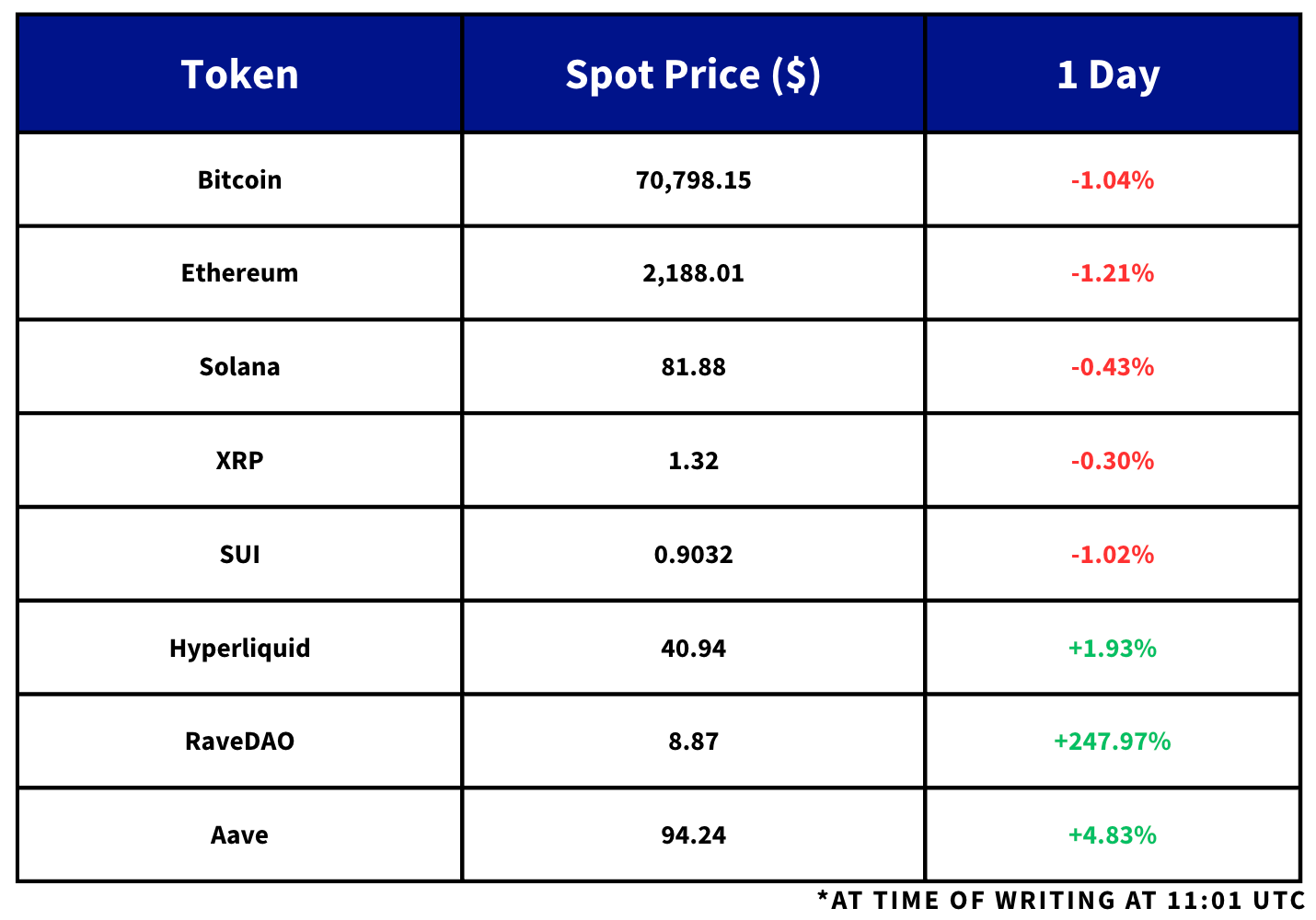
Market Snapshot: Overnight Moves

Daily Updates:
- After what’s been referred to as a marathon 21-hour negotiation between the US and Iran in Pakistan over the weekend, both sides ultimately failed to strike a longer-term peace deal.
- As such, a few hours after negotiations ended, President Trump took to Truth Social claiming that the talks failed over differences regarding Iran’s nuclear ambitions. Trump also announced that the US will begin a full naval blockade of the Strait of Hormuz.
- “So, there you have it, the meeting went well, most points were agreed to, but the only point that really mattered, NUCLEAR, was not. Effective immediately, the United States Navy, the Finest in the World, will begin the process of BLOCKADING any and all Ships trying to enter, or leave, the Strait of Hormuz”.
- Vice President, JD Vance, who was leading negotiations from the US side claimed that the “core goal” of the negotiations for President Trump was getting “affirmative commitment that they [Iran] will not seek a nuclear weapon”.
- However, as Vance left Islamabad, where the talks were held, he told reporters “We’ve made very clear what our red lines are, what things we’re willing to accommodate them on, and what things we’re not willing to accommodate them on. And we’ve made that as clear as we possibly could, and they have chosen not to accept our terms.”
- He added that the lack of a deal is “bad news for Iran much more than it is bad news for the US”.
- Negotiators on the Iranian side were more optimistic — Foreign Ministry Spokesman Esmail Baghaei said that “It was natural that one should not have expected to reach an agreement in a single session from the outset”, citing the possibility of further talks this week.
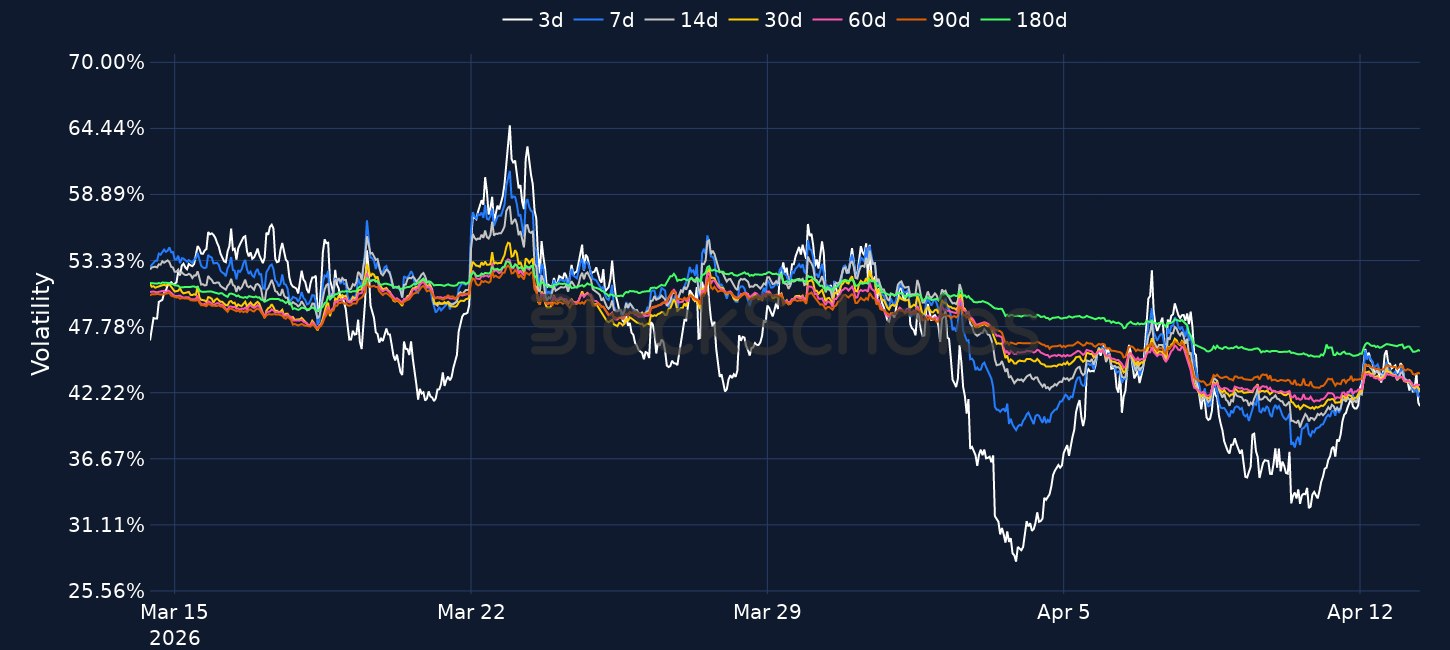
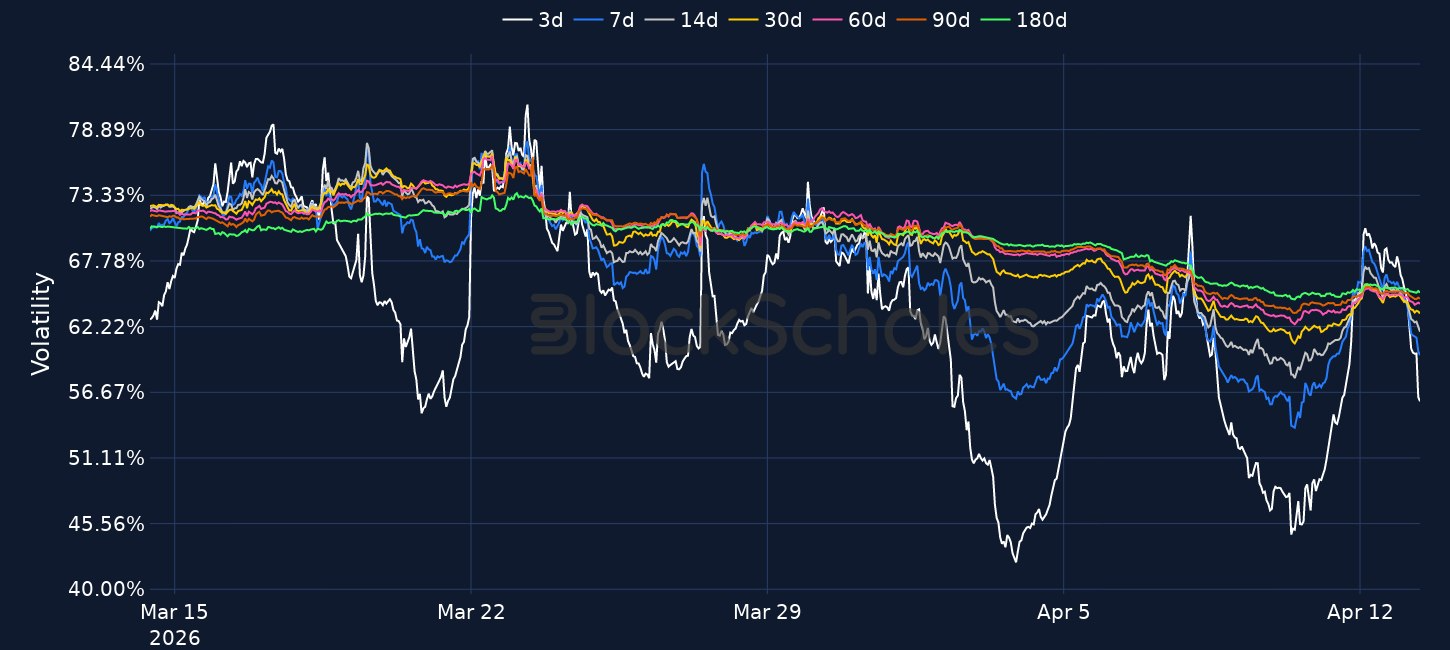
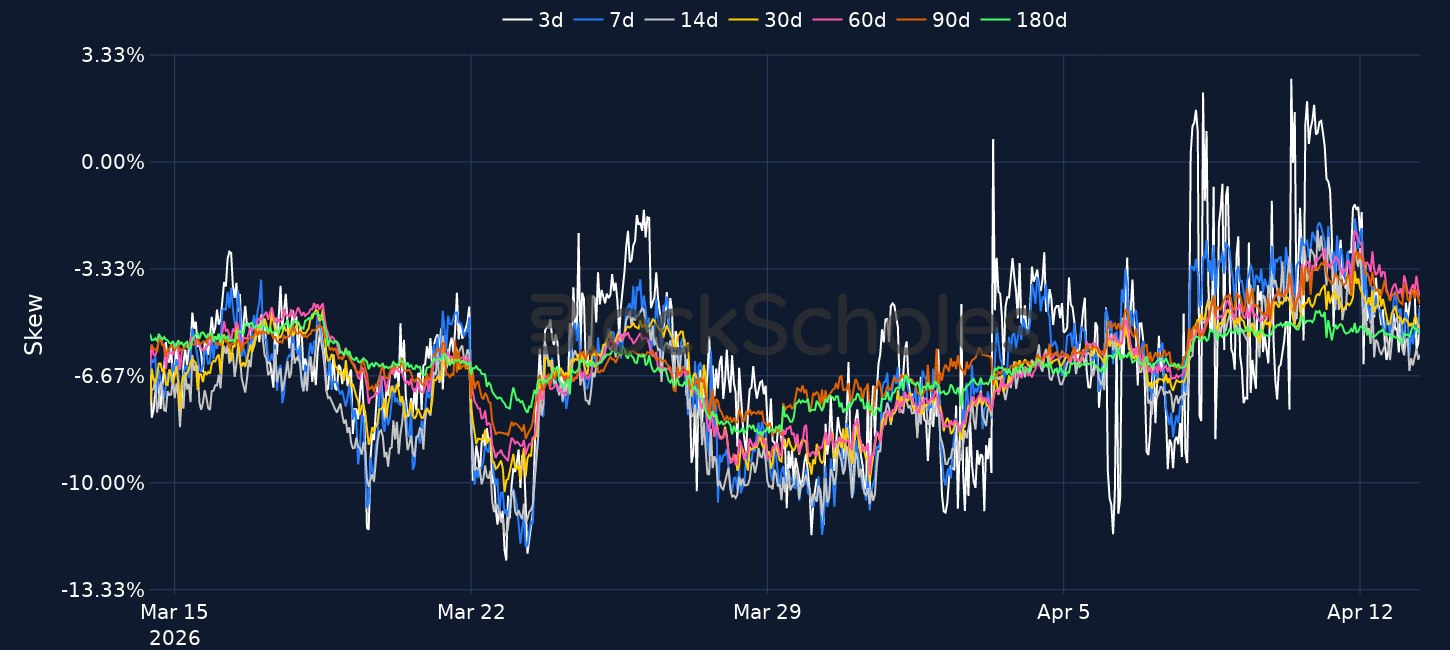
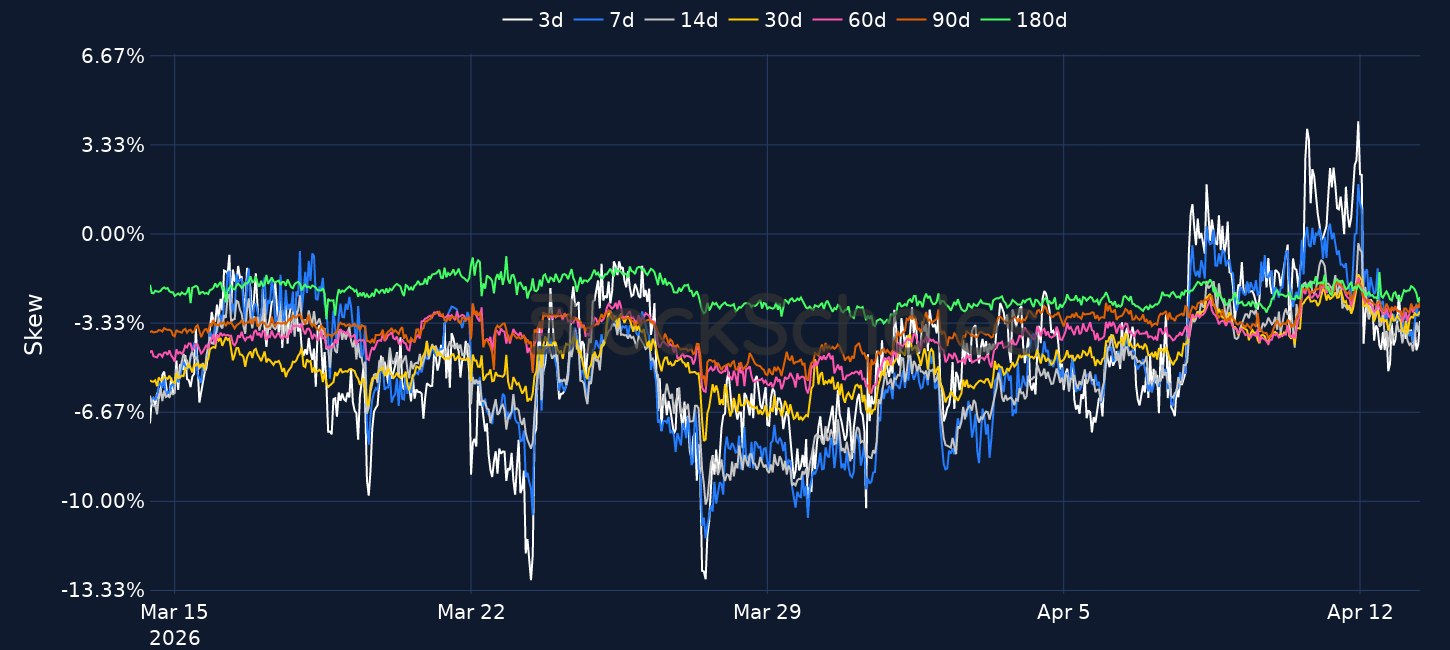
- Risk-on assets fell following the news, with BTC falling from $73K to $70K over the course of the weekend. US equity futures slipped, with contracts on the S&P 500 down 0.56% and 0.65% on the Nasdaq-100.
- On the other hand, Brent crude oil prices have jumped more than 7% since their close on Friday, once more back above $100 per barrel.
- With the US-Iran conflict now in its 45th day, last Friday’s CPI report gave markets an insight into the impact that higher energy prices have had on the cost of living.
- On a month-over-month basis, headline CPI rose 0.9% from February to March — the largest increase over a month since June 2022 (during the Russia-Ukraine conflict).
- From a year ago, headline inflation rose to 3.3%, slightly below expected, but still the highest reading since May 2024.
- According to the BLS, the 21.2% jump in gasoline prices, the largest increase on record, accounted for nearly three quarters of the monthly CPI increase.
- Meanwhile, according to the University of Michigan, US consumer sentiment fell to its lowest ever on record since the surveys began more than 70 years ago. The preliminary April sentiment reading came in at 47.6, down from 53.3 in March. That was below the previous all-time reading of 50 recorded in June 2022, a time when US inflation was running above 9%.
- According to the director of the survey, Joanne Hsu, “Comments show that many consumers blame the Iran conflict for unfavorable changes to the economy”.
- Bitwise is moving closer to launching a U.S. spot Hyperliquid ETF, filing a second amended S-1 on April 10 that adds Flowdesk and Wintermute to the fund’s trading counterparties and finalises more of its market structure.
- The European Central Bank on Friday formally backed the European Commission’s proposal to centralise supervision of the EU’s largest financial market participants, including major crypto firms, under the Paris-based European Securities and Markets Authority, according to Reuters.
- The move would mark a significant shift in the bloc’s regulatory framework, transferring oversight of systemically important cross-border crypto asset service providers from national regulators to a single EU-level authority.
- The ECB said the proposal would help reduce fragmentation, strengthen supervisory consistency across member states, and limit regulatory arbitrage under MiCA, while also stressing that ESMA would need sufficient staffing, funding, and a phased implementation process to take on the expanded role effectively.
- Securitize, the world’s leader in tokenizing real-world assets, announced on April 10 that it is integrating with the TRON blockchain, marking a broader expansion of its multichain tokenization strategy.
- The partnership will make tokenized funds and securities issued through Securitize available on TRON, giving those products access to one of the largest blockchain ecosystems by user activity, transfer volume, and stablecoin usage.
- The announcement also said the integration will support the launch of a new real-world asset product on TRON, with further details expected at a later date.
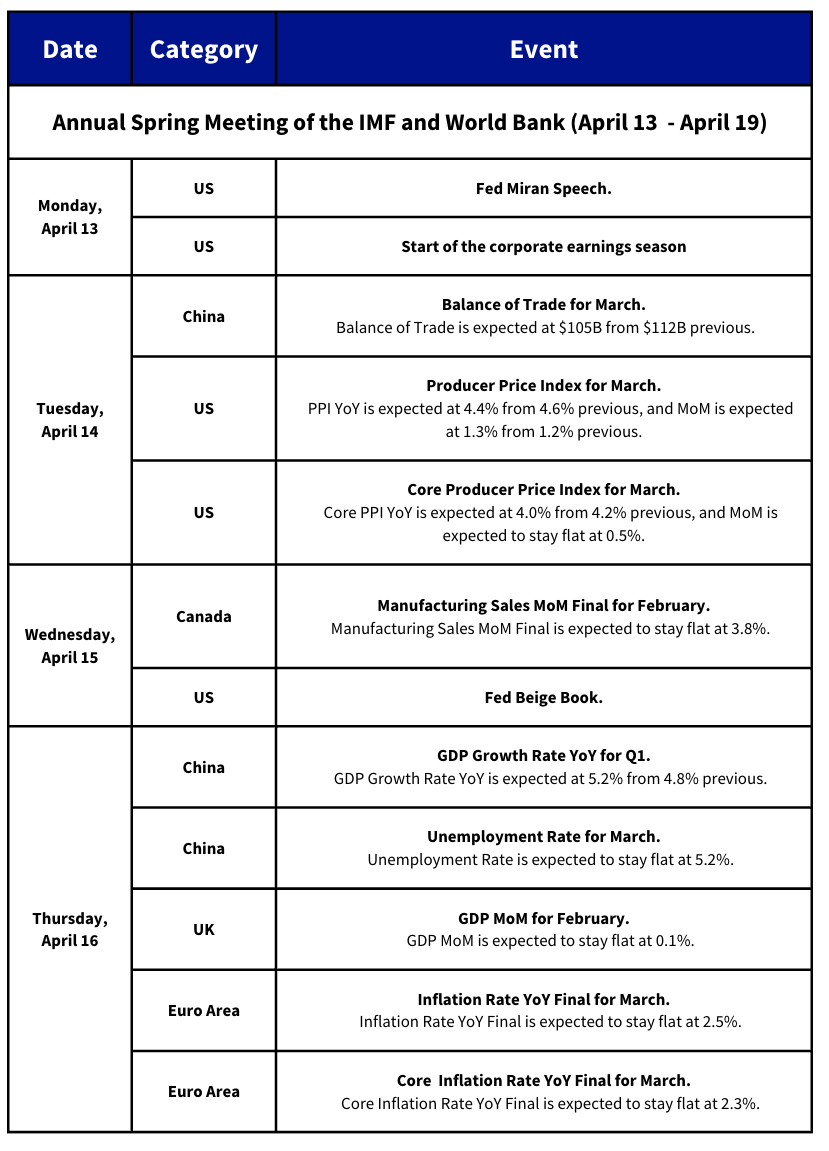
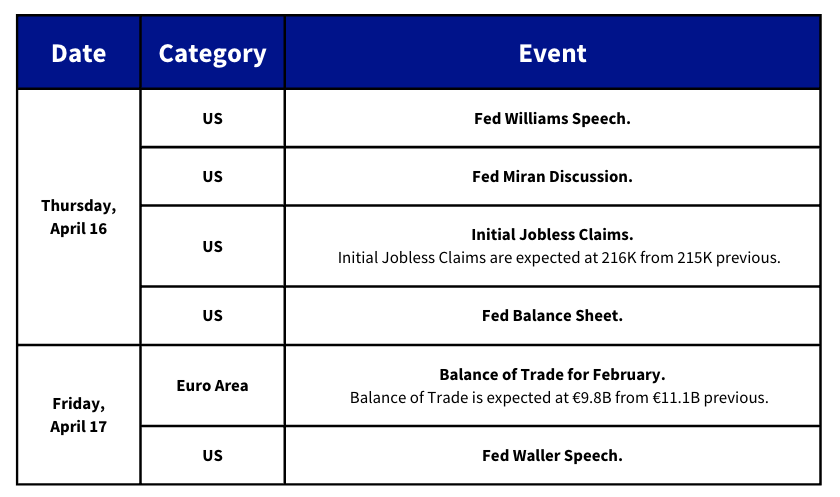
This Week’s Calendar:


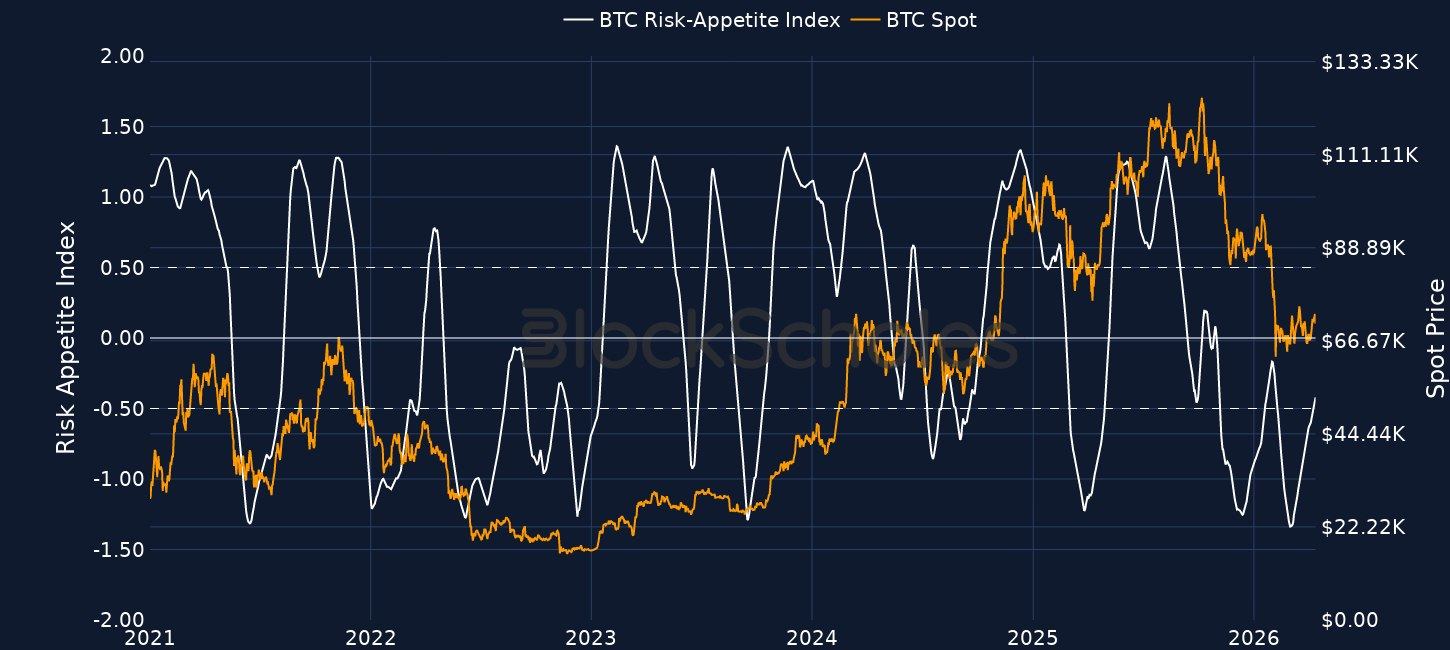
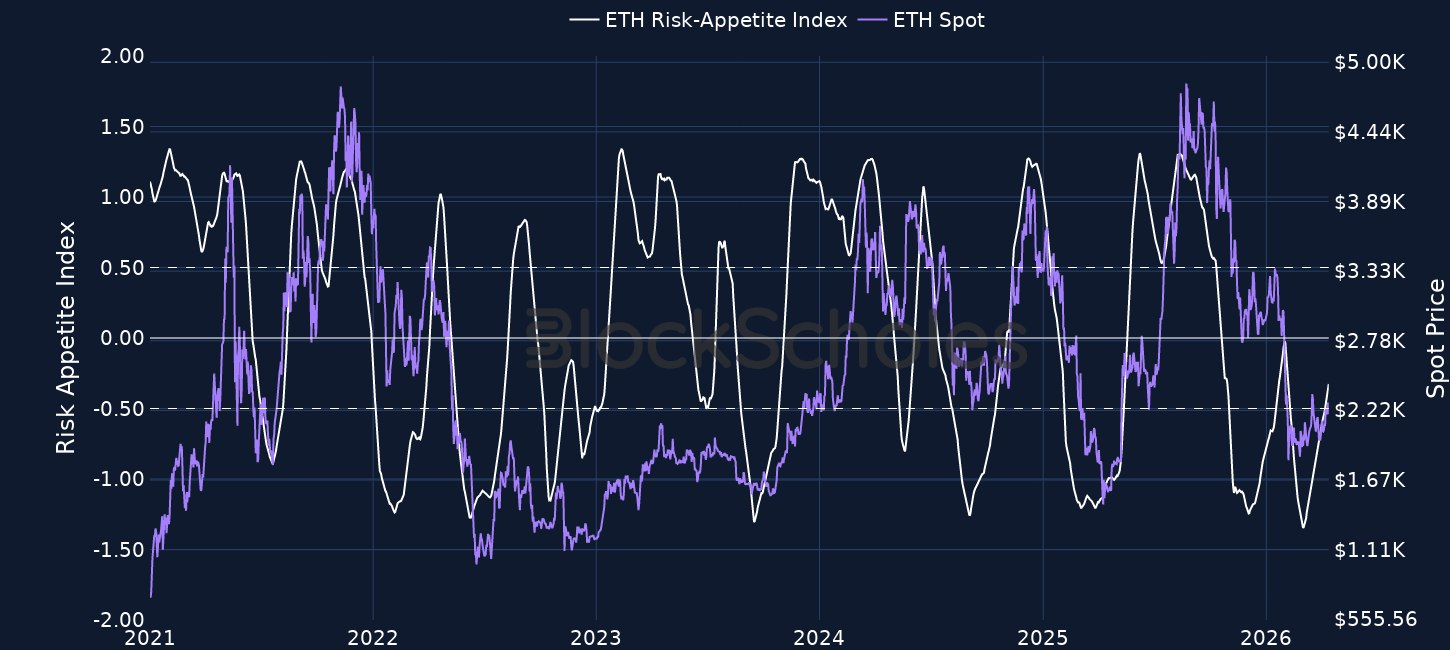
Charts of the Day: