Back to Research
Last Updated:  
December 19, 2025
8 min read

Softer Inflation Pushed Bitcoin

A cooler-than-expected US inflation print helped arrest a four-day slide in the S&P 500 and briefly pushed BTC above $89K, although the release was clouded by missing month-on-month data and methodological “carry-forward” imputation during the shutdown. Risk assets still rallied, with equities holding gains on the day alongside a further boost from strong Micron results, while BTC retraced sharply to $84.5K before rebounding back above $88K. In rates, the Bank of Japan hiked to 0.75%—its highest policy rate since 1995—sending 10-year JGB yields above 2%. On the policy front, Washington signalled accelerating crypto oversight: Michael Selig advanced to lead the CFTC, Senate leaders confirmed a January markup for the Clarity Act, while Bybit returned to the UK via Archax and Bitwise filed to launch a spot SUI ETF.

Find out our latest reports, listed below:

Daily Updates:

  • A cooler than expected inflation report yesterday helped break a four-day decline in the S&P 500 and coincided with a move past $89K for BTC. 
  • The BLS’s CPI report showed both headline CPI and core CPI increase by less than all forecasts in Bloomberg’s survey of economists. Headline CPI rose 2.7% over the twelve months to November, while core CPI rose 2.6% — the lowest YoY value since March 2021.
  • The report however came with many caveats and skepticism. Firstly, it did not include any month-over-month figures due to the lack of data collection during the October and early November federal government shutdown. 
  • Additionally, there was a notable decline in several categories that have long seen stubborn inflation. Shelter costs for example, which make up one third of the consumer price index, rose 3.0% year-over-year in November — a large decline from the 3.6% recorded in the September report. 
  • The absence of October data also resulted in many pages of the CPI report showing blank spaces. Stacey Standish, a spokesperson for the BLS, said the agency used a process called carry-forward imputation for key housing price metrics which “imputes the price by using data from the last collected period, effectively proceeding as if the price had not changed”. She added that “Rents for October 2025 were carried forward from April 2025, yielding unchanged index values for rent and owners’ equivalent rent for October.” As such, this method effectively assumes no price growth in key areas of the inflation basket. 
  • Chair Powell himself also emphasised that the November inflation report would be volatile. In the December FOMC meeting he said “So the data may be distorted and not just sort of more volatile, but distorted … So we’re going to get data, but we’re going to have to look at it carefully and with a somewhat skeptical eye by the time of the January meeting.”

  • Nonetheless, markets still welcomed the softer inflation report, even if it needed to be taken with more than a pinch of salt. The S&P 500 opened higher and ended up closing 0.72%, while the Nasdaq-100 surged 1.51%. US equity indices were also bolstered by positive news on the AI front: Micron Technology Inc., reported strong earnings for the fiscal second quarter and saw its share price close 10% higher.
  • While US equities were able to mostly hold their gains, BTC could not do the same. After rallying to $89K yesterday afternoon, it sold off sharply in the space of only a few hours, reaching an intraday low of $84,500. In line with the erratic price behaviour we have seen since the October 10 liquidation, even that selloff did not last long and it now once again trades above $88K. 

  • Speaking on Fox Business after the CPI report, Chicago Fed President Austan Goolsbee said the report contained a “lot to like.”
  • “I realize it’s just one month, and you never want to hinge too much on a single month, but that was a good month”. 
  • Goolsbee dissented against the FOMC’s decision to cut interest rates during the most recent December meeting, preferring instead to hold rates at their current level. Last Friday Golsbee explained his dissent: “Given that inflation has been above our target for four and a half years, further progress on it has been stalled for several months, and almost all the businesspeople and consumers we have spoken to in the district lately identify prices as a main concern, I felt the more prudent course would have been to wait for more information”. 

  • As expected by all 50 economists surveyed by Bloomberg, the Bank of Japan raised its benchmark interest rate by a quarter percentage point to 0.75% in a unanimous vote, bringing its policy rate to the highest since 1995. 
  • In its statement, the central bank said “if the outlook for economic activity and prices presented in the October Outlook Report will be realized, the Bank, in accordance with improvement in economic activity and prices, will continue to raise the policy interest rate and adjust the degree of monetary accommodation.” 
  • Governor Ueda said during the post-decision press conference, “We’ll keep making appropriate decisions at each policy meeting”. 
  • 10-year JGB bond yields climbed above 2% following the announcement — their highest level since 1999. 

  • The US Senate has advanced President Donald Trump’s nominee, Michael Selig, to lead the Commodity Futures Trading Commission, positioning him to take the position as lawmakers weigh proposals that would expand the agency’s authority over crypto markets.
  • The vote was 53-43. Selig, a former SEC lawyer who served as chief counsel to the SEC’s Crypto Task Force and later advised crypto clients in private practice, steps in after Trump’s earlier CFTC pick Brian Quintenz was withdrawn following conflict-of-interest scrutiny. 

  • White House AI and crypto czar David Sacks said Senate committee leaders have confirmed that the Digital Asset Market Clarity Act will receive a markup in January, signalling fresh momentum for the industry’s long-awaited market structure framework.
  • In a post on X, Sacks said he spoke with Senate Banking Chair Tim Scott and Agriculture Chair John Boozman, who agreed to schedule the session, an essential step where committees debate, amend, and vote before legislation can move to the Senate floor. 

  • Centralised crypto exchange Bybit, has resumed UK operations after exiting in 2023 following tighter FCA rules on crypto promotions. It will market and provide services via London-based Archax, which holds an FCA license to approve financial promotions for firms that are not UK authorised.

  • Bitwise has entered the race to launch a spot SUI exchange-traded fund, filing a registration statement with the US Securities and Exchange Commission for the “Bitwise SUI ETF.”
  • The product aims to provide exposure to SUI held by the trust, net of operating expenses, with Coinbase Custody Company set to serve as custodian; a ticker and sponsor fee have not yet been disclosed. 

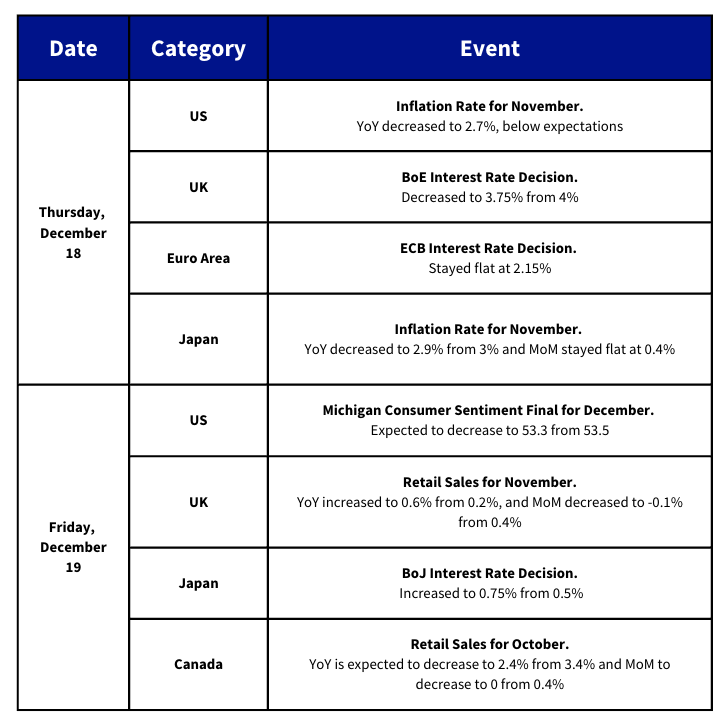
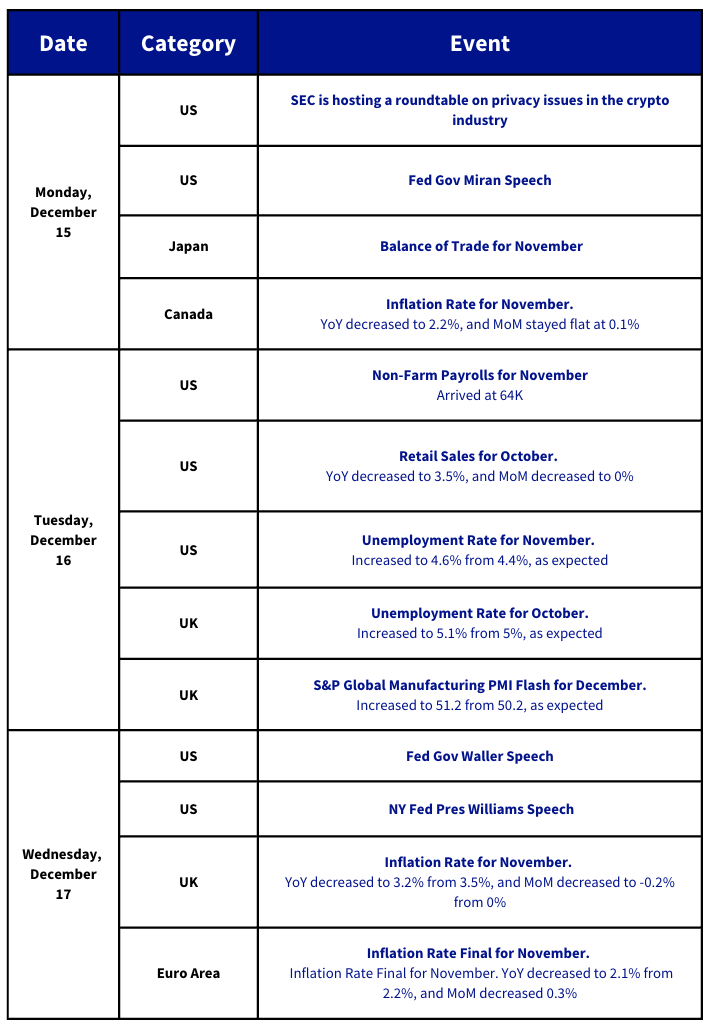
This Week’s Calendar:

Charts of the Day:

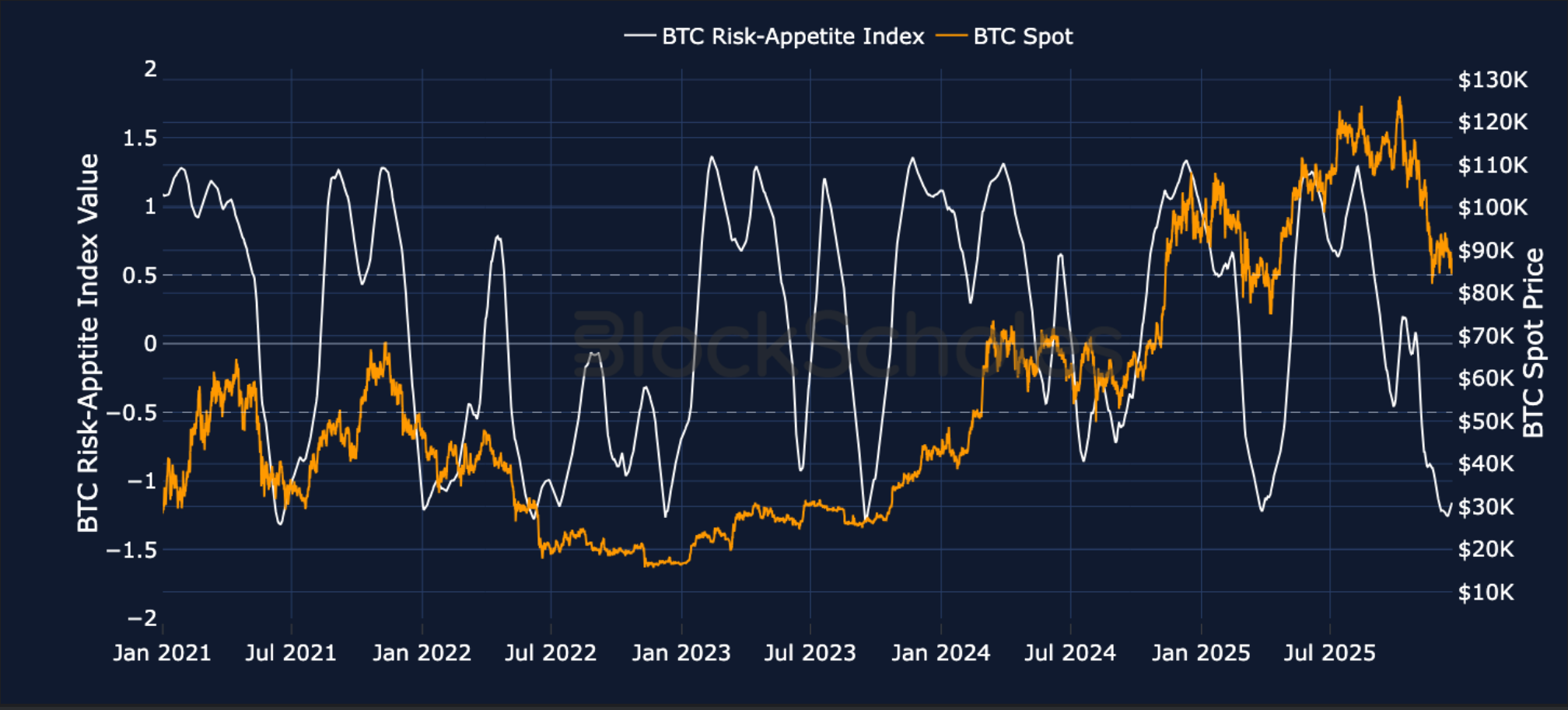
Figure 1. Block Scholes BTC Risk-Appetite Index (white, left-hand axis) and BTC spot price (orange, right-hand axis)
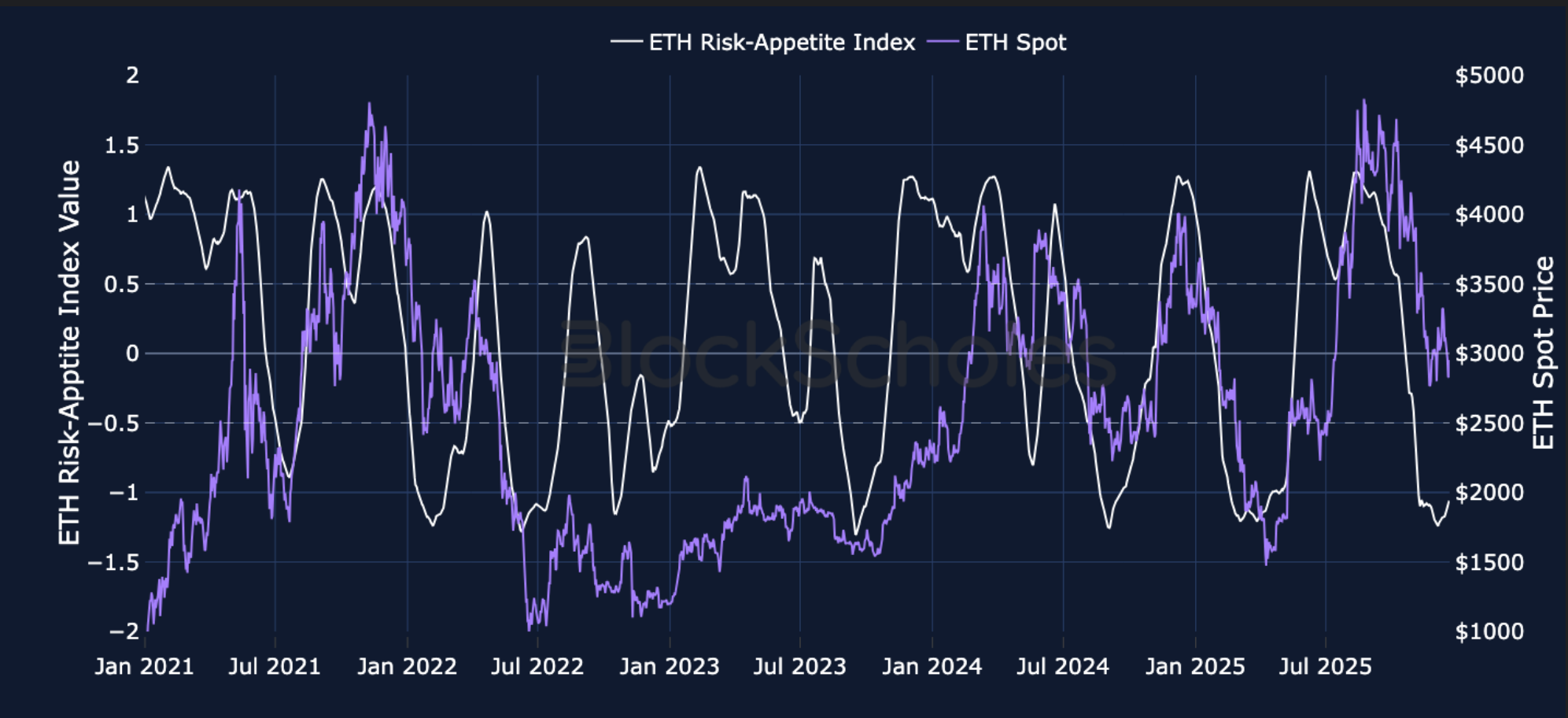
Figure 2. Block Scholes ETH Risk-Appetite Index (white, left-hand axis) and ETH spot price (purple, right-hand axis)
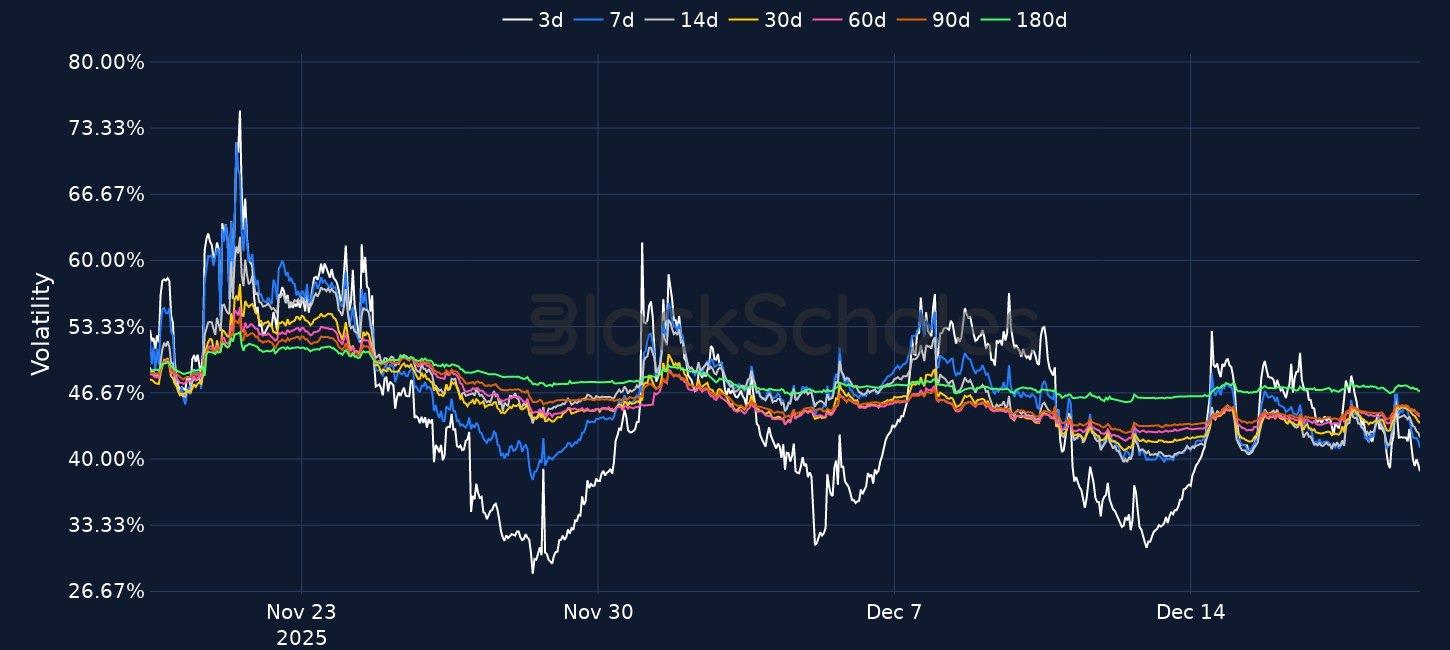
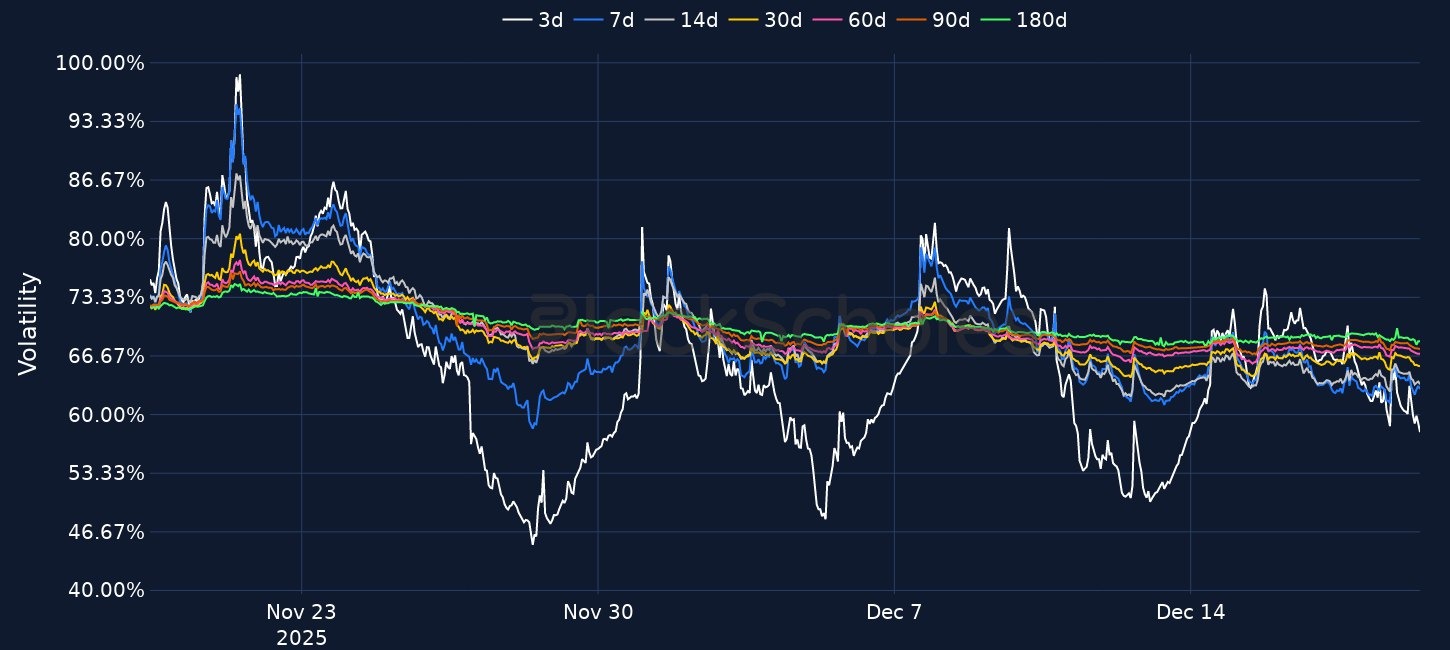
Figure 3. BTC at-the-money implied volatility across selected tenors. Source: Deribit, Block Scholes
Figure 4. ETH at-the-money implied volatility across selected tenors. Source: Deribit, Block Scholes
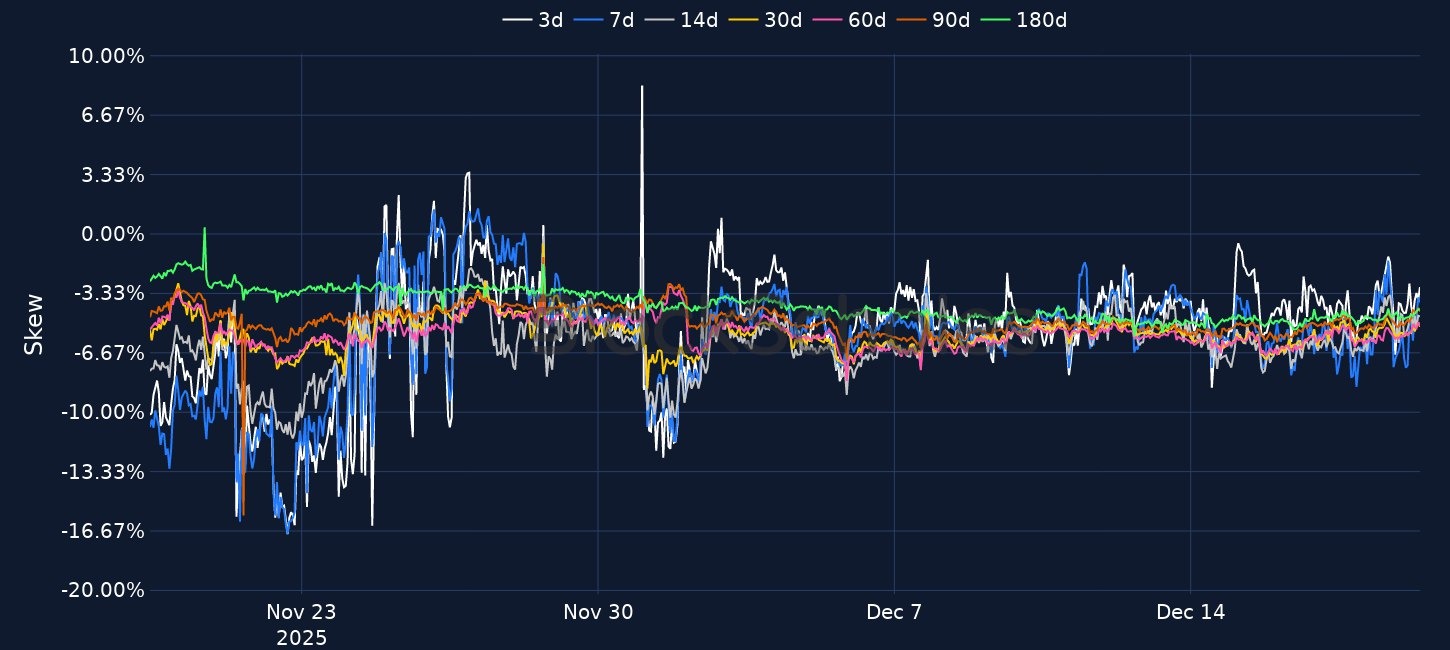
Figure 5. BTC 25-delta put-call skew ratio across selected tenors. Source: Deribit, Block Scholes
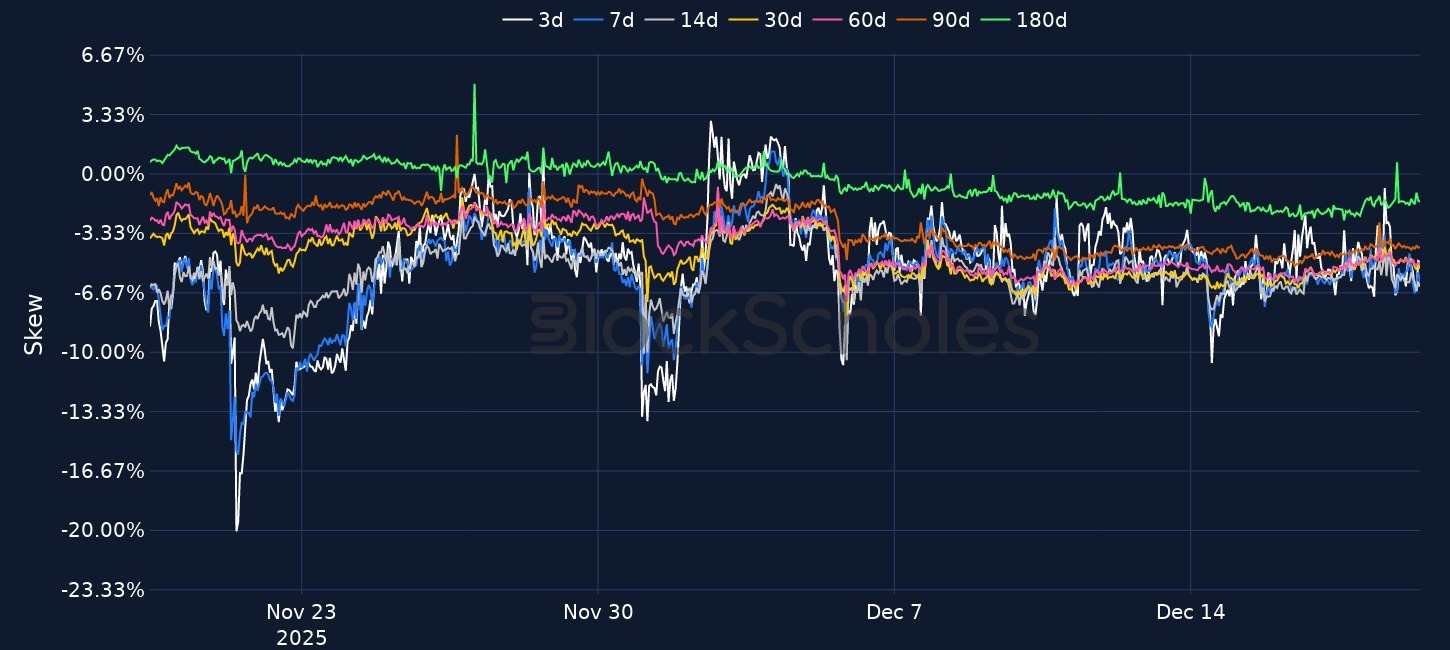
Figure 6. ETH 25-delta put-call skew ratio across selected tenors. Source: Deribit, Block Scholes
Share this post
Copy URL
www.blockscholes.com/premium-research/softer-inflation-pushed-bitcoin

Find out our latest reports, listed below:

Daily Updates:

  • A cooler than expected inflation report yesterday helped break a four-day decline in the S&P 500 and coincided with a move past $89K for BTC. 
  • The BLS’s CPI report showed both headline CPI and core CPI increase by less than all forecasts in Bloomberg’s survey of economists. Headline CPI rose 2.7% over the twelve months to November, while core CPI rose 2.6% — the lowest YoY value since March 2021.
  • The report however came with many caveats and skepticism. Firstly, it did not include any month-over-month figures due to the lack of data collection during the October and early November federal government shutdown. 
  • Additionally, there was a notable decline in several categories that have long seen stubborn inflation. Shelter costs for example, which make up one third of the consumer price index, rose 3.0% year-over-year in November — a large decline from the 3.6% recorded in the September report. 
  • The absence of October data also resulted in many pages of the CPI report showing blank spaces. Stacey Standish, a spokesperson for the BLS, said the agency used a process called carry-forward imputation for key housing price metrics which “imputes the price by using data from the last collected period, effectively proceeding as if the price had not changed”. She added that “Rents for October 2025 were carried forward from April 2025, yielding unchanged index values for rent and owners’ equivalent rent for October.” As such, this method effectively assumes no price growth in key areas of the inflation basket. 
  • Chair Powell himself also emphasised that the November inflation report would be volatile. In the December FOMC meeting he said “So the data may be distorted and not just sort of more volatile, but distorted … So we’re going to get data, but we’re going to have to look at it carefully and with a somewhat skeptical eye by the time of the January meeting.”

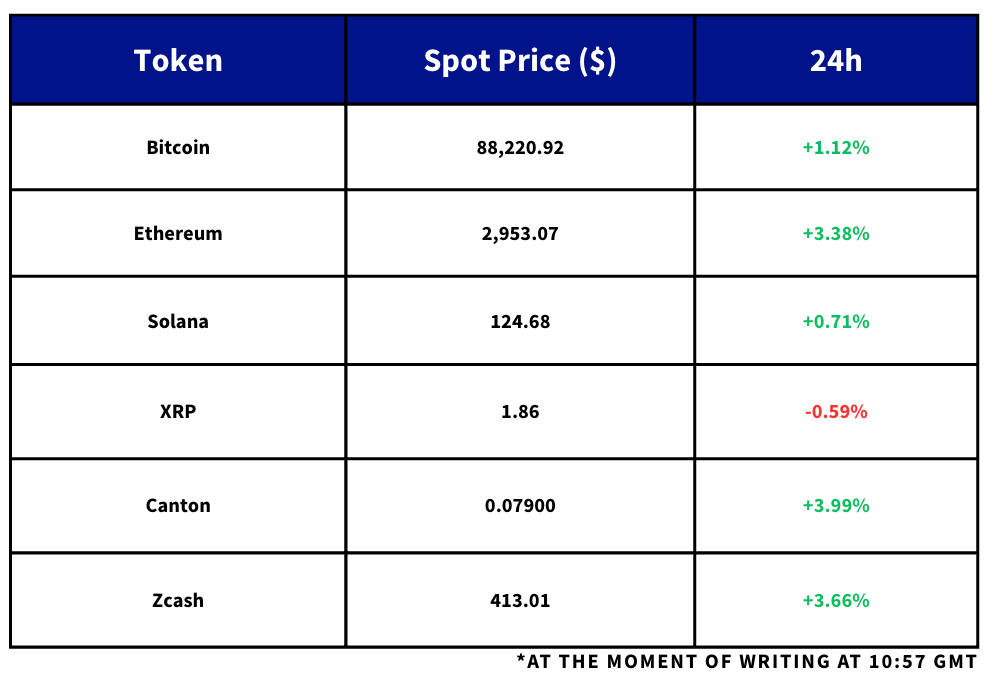
Market Snapshot: Overnight Moves

Find out our latest reports, listed below:

Daily Updates:

  • A cooler than expected inflation report yesterday helped break a four-day decline in the S&P 500 and coincided with a move past $89K for BTC. 
  • The BLS’s CPI report showed both headline CPI and core CPI increase by less than all forecasts in Bloomberg’s survey of economists. Headline CPI rose 2.7% over the twelve months to November, while core CPI rose 2.6% — the lowest YoY value since March 2021.
  • The report however came with many caveats and skepticism. Firstly, it did not include any month-over-month figures due to the lack of data collection during the October and early November federal government shutdown. 
  • Additionally, there was a notable decline in several categories that have long seen stubborn inflation. Shelter costs for example, which make up one third of the consumer price index, rose 3.0% year-over-year in November — a large decline from the 3.6% recorded in the September report. 
  • The absence of October data also resulted in many pages of the CPI report showing blank spaces. Stacey Standish, a spokesperson for the BLS, said the agency used a process called carry-forward imputation for key housing price metrics which “imputes the price by using data from the last collected period, effectively proceeding as if the price had not changed”. She added that “Rents for October 2025 were carried forward from April 2025, yielding unchanged index values for rent and owners’ equivalent rent for October.” As such, this method effectively assumes no price growth in key areas of the inflation basket. 
  • Chair Powell himself also emphasised that the November inflation report would be volatile. In the December FOMC meeting he said “So the data may be distorted and not just sort of more volatile, but distorted … So we’re going to get data, but we’re going to have to look at it carefully and with a somewhat skeptical eye by the time of the January meeting.”

Market Snapshot: Overnight Moves