Falcon and Anchorage Launch fUSD Stablecoin
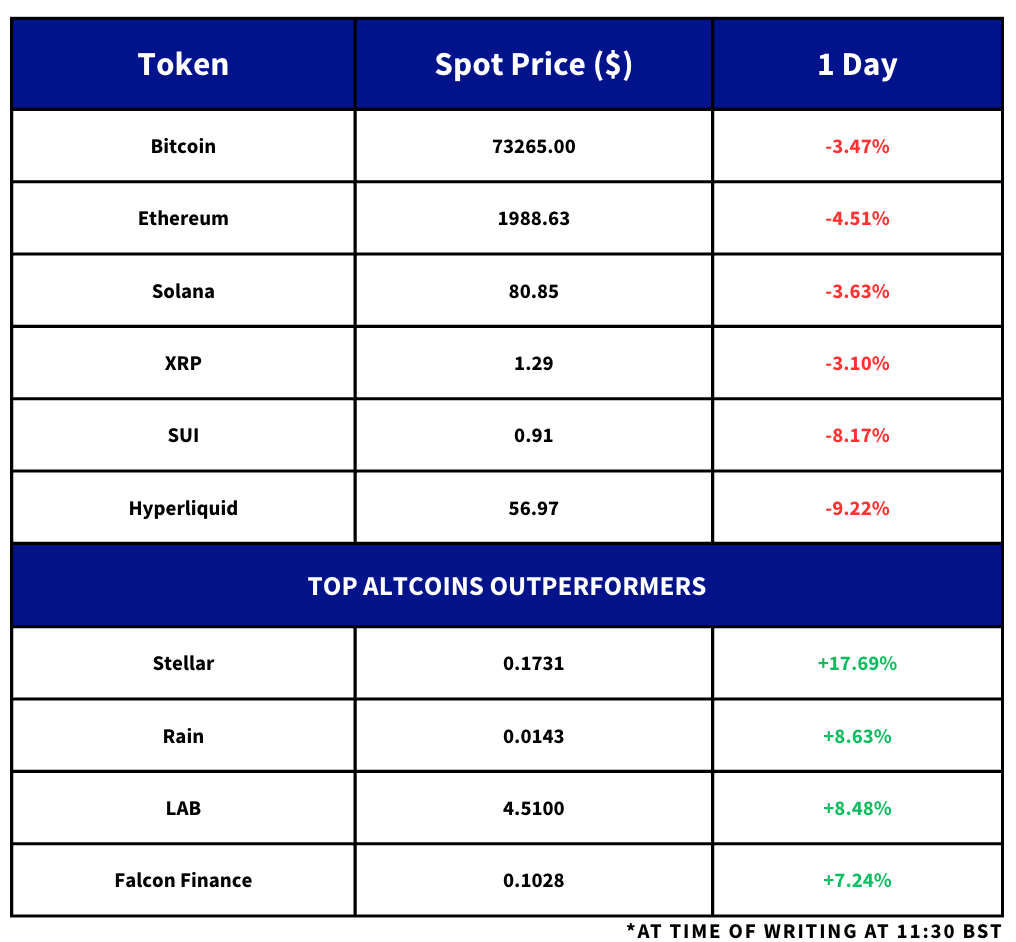
BTC and ETH sold off sharply as ETF outflows accelerated, with BTC dropping to $72.8K and ETH briefly falling below $1,970 amid worsening macro sentiment and concerns around the US-Iran conflict. Fed officials reinforced inflation risks, while Trump suggested Iran wants a deal but warned the US may “finish the job” if negotiations fail. In crypto regulation and Web3, the White House advanced CFTC prediction-market rulemaking, authorities charged a Google engineer over alleged Polymarket insider trading, and new institutional stablecoin and USDC payment developments were announced.

Block Scholes is an FCA-regulated institutional crypto derivatives analytics platform. Live data, IV surfaces, and backtesting available via blockscholes.com.
Recent Research from Block Scholes
- Tokenised Markets on Bitget UEX: How Traders Are Utilising 24/7 Real-World Assets For Real Time Macro Hedging
- Block Scholes x Panoptic: Bridging The Onchain Convexity Gap
- Volatility Report: February 2026
- 2026 – the year of RWA perps
In Today's Note
- BTC fell to its lowest level since mid-April, reaching $72.8K as spot Bitcoin ETFs recorded their largest single-day outflow since January.
- ETH also weakened, briefly dropping below $1,970 as spot Ethereum ETFs extended their longest outflow streak since March 2025.
- Prediction markets faced fresh regulatory and enforcement scrutiny, with the White House reviewing the CFTC’s proposed rulemaking and US authorities charging a Google engineer over alleged Polymarket insider trading.
- Falcon Finance and Anchorage launched fUSD, Samsung affiliates moved to acquire a stake in Upbit operator Dunamu, and Cash App expanded USDC transfers across Solana, Ethereum, Polygon and Arbitrum.
Market Snapshot: Overnight Moves

Macro & Markets
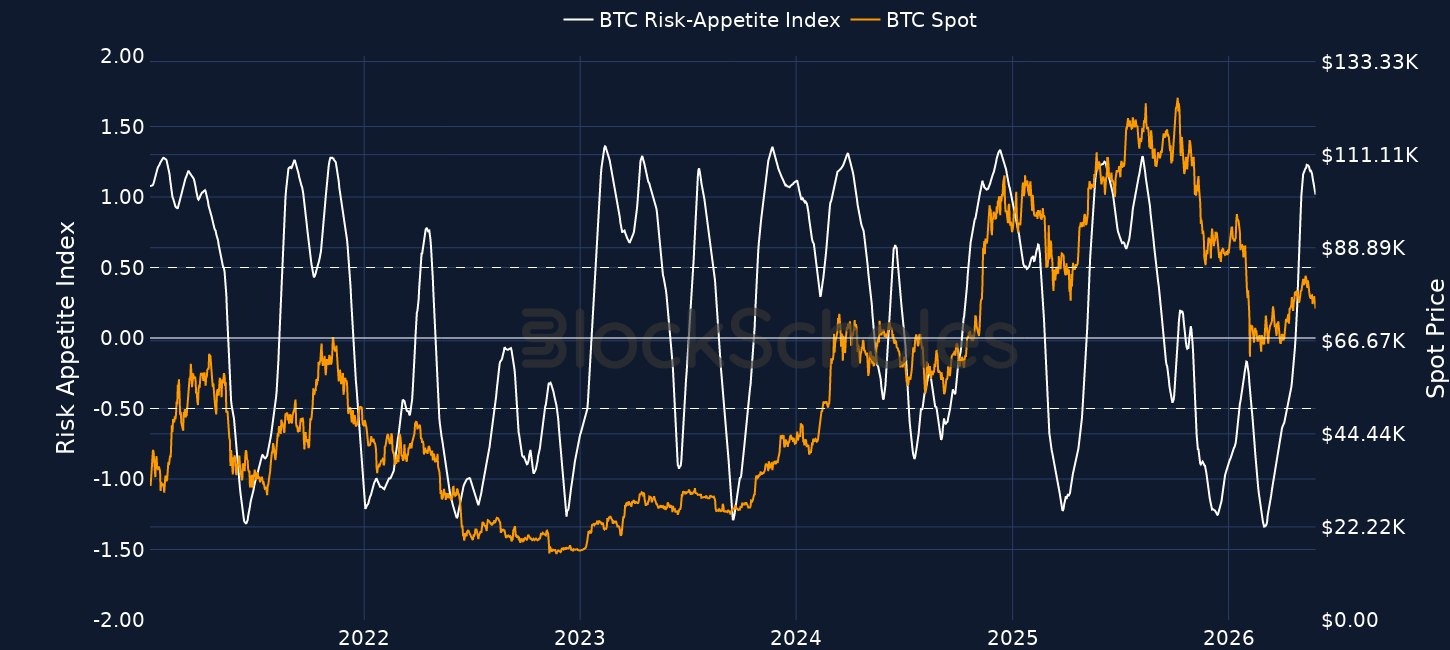
- BTC fell as low as $72,800, a level it last changed hands at in mid-April, as a less supportive macro environment and continued run of Spot ETF outflows continue to weigh on sentiment.
- Spot Bitcoin ETF products sold $733.4M worth of bitcoin in yesterday’s trading session, the largest single-day outflow since Jan 29, 2026.
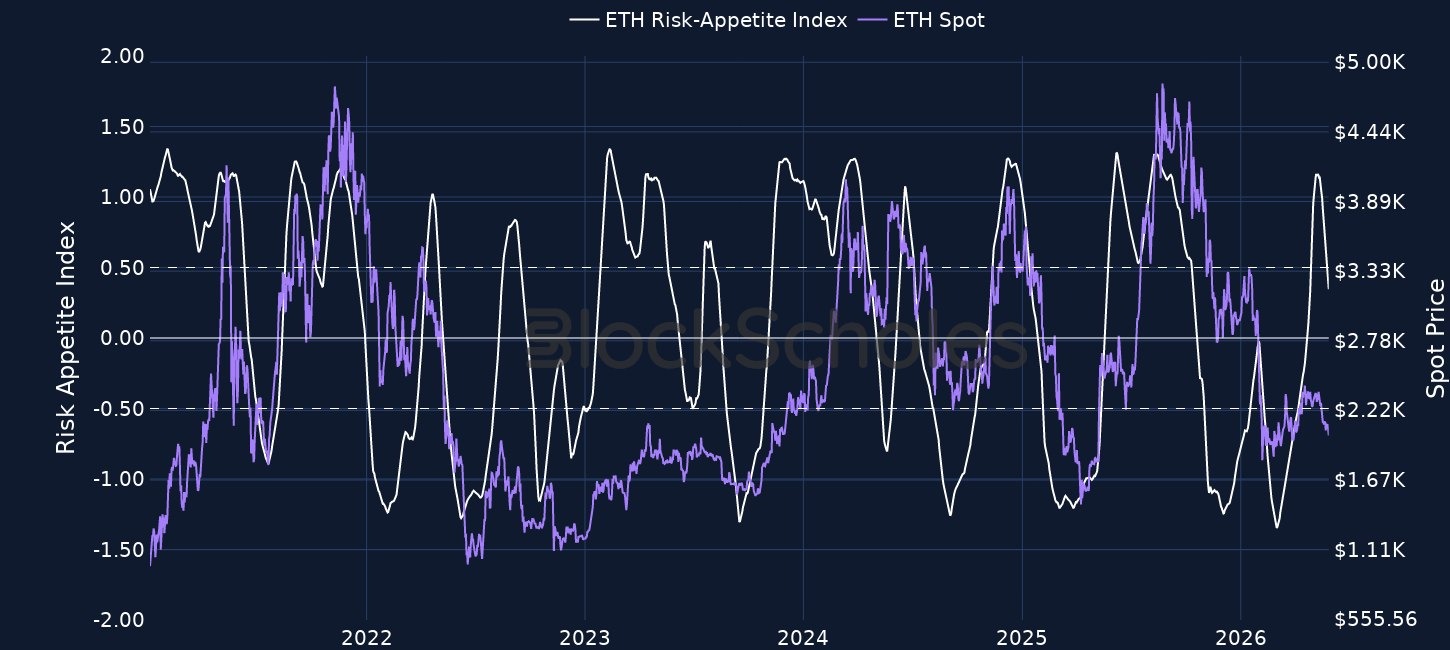
- Similarly, Spot Ethereum ETFs have seen their longest streak of outflows (12 consecutive sessions) since March 2025, with $573.4M exiting the funds since May 11, 2026. ETH’s spot price briefly fell below $1,970 earlier today — marking a two-month low.
- Ongoing concerns over the impact of the US-Iran war on inflation and Fed monetary policy continue to be a driving force for spot price, though BTC has comparatively held up worse than its risk-on US equity counterparts recently.
- Despite closing almost flat in yesterday’s session, the S&P 500 is up 5% over the past month and is trading at a record high. That compares to a 5% decline in BTC over the same period and a 42% drawdown from the October $126K all-time high.
- Speaking to reporters yesterday, President Trump reiterated that Iran “very much” wants to make a deal, however Washington is not yet satisfied with Tehran’s proposals.
- Meanwhile the US struck Iranian military targets for a second time this week, shooting down four Iranian drones and targeting a launch site near the Strait of Hormuz.
- Trump said “Iran is very much intent, they want very much to make a deal. So far they haven't gotten there ... we're not satisfied with it, but we will be. We will be either that or we'll have to just finish the job”. He added that Iran is “negotiating on fumes”.
- Trump additionally claimed that a potential deal with Tehran could result in an immediate reopening of the Strait of Hormuz, though neither party would officially control the waterway — "We'll watch over it, but nobody's going to control it. That's part of the negotiation that we have. They would like to control it. Nobody's going to control it.”
- At an event at Stanford University yesterday, Fed Governor Lisa Cook said that inflation is heading in the wrong direction and without a change in the trend, she will favour raising interest rates.
- Cook said “I want to be clear about my risk assessment: The risks remain tilted toward higher inflation. As such, I am prepared to raise rates, if the expected disinflation does not appear in a timely manner”.
- Separately, during a Bank of Japan conference yesterday, Dallas Fed President Lorie Logan warned that the continued closure of the Strait of Hormuz may force the world to reduce its oil and gas consumption.
- Logan said “With supplies highly constrained, if shipping through the strait does not soon return to prewar levels, world oil and natural gas consumption could need to fall more meaningfully than it has so far. The economic consequences would depend on the degree to which end users can switch to other energy sources or use energy more efficiently, versus curtailing economic activity.”
- According to Logan, "One way or another, I expect energy markets to come into rough balance before too long. If the molecules aren’t available, the world can’t consume them."
DeFi / Web3 / Altcoins / Crypto3
- The White House has begun reviewing the CFTC’s proposed prediction markets rulemaking through the Office of Information and Regulatory Affairs, marking another step in the agency’s effort to formalize federal oversight of event contracts and prediction platforms.
- The proposal comes as CFTC Chair Michael Selig continues pushing the view that prediction markets fall under the agency’s “exclusive jurisdiction,” while several U.S. states argue platforms like Kalshi and Polymarket violate local gambling and sports betting laws.
- President Donald Trump publicly backed the CFTC’s authority over prediction markets, calling it “critically important” that the agency sets the regulatory framework for the rapidly growing sector.
- US prosecutors and the CFTC charged Google software engineer Michele Spagnuolo with allegedly using confidential internal search trend data to trade on Polymarket, generating roughly $1.2M in profits through bets tied to Google’s “2025 Year in Search” rankings.
- Authorities allege Spagnuolo used the account “AlphaRaccoon” to trade on contracts related to the most-searched people and topics on Google, with prosecutors accusing him of commodities fraud, wire fraud, and money laundering, while the CFTC filed parallel insider trading claims.
- The case marks one of the first major insider trading enforcement actions tied to prediction markets, with Polymarket saying its internal market surveillance systems flagged the activity and referred the case to law enforcement.
- Falcon Finance and Anchorage Digital Bank have launched fUSD, a new “GENIUS-ready” stablecoin issued by Anchorage Digital Bank and designed for institutional trading desks, treasury operations, and regulated collateral use cases.
- The stablecoin is based on Ceffu’s institutional custody and collateral infrastructure and is backed 1:1 by cash, short-dated U.S. Treasuries, and Treasury-backed repo exposure, with reserves held under OCC supervision and attested monthly by Deloitte.
- While the GENIUS Act prohibits stablecoin issuers from directly paying interest to token holders, Falcon Finance said qualifying institutional users can separately enter bilateral agreements to participate in the economics generated by fUSD’s reserve assets, targeting returns of roughly 3% annually.
- Samsung Securities, Samsung SDS, and Samsung Card are set to acquire a combined 4% stake in Dunamu, the operator of Upbit, in a deal valued at roughly $408M.
- The investment follows Hana Bank’s recent $670M move into Dunamu and signals a broader strategic shift.
- Cash App is expanding beyond Bitcoin with support for USDC transfers across Solana, Ethereum, Polygon, and Arbitrum.
- Users can now send and receive USDC directly from their existing USD balance, with no separate wallet, chain management, or fees required.
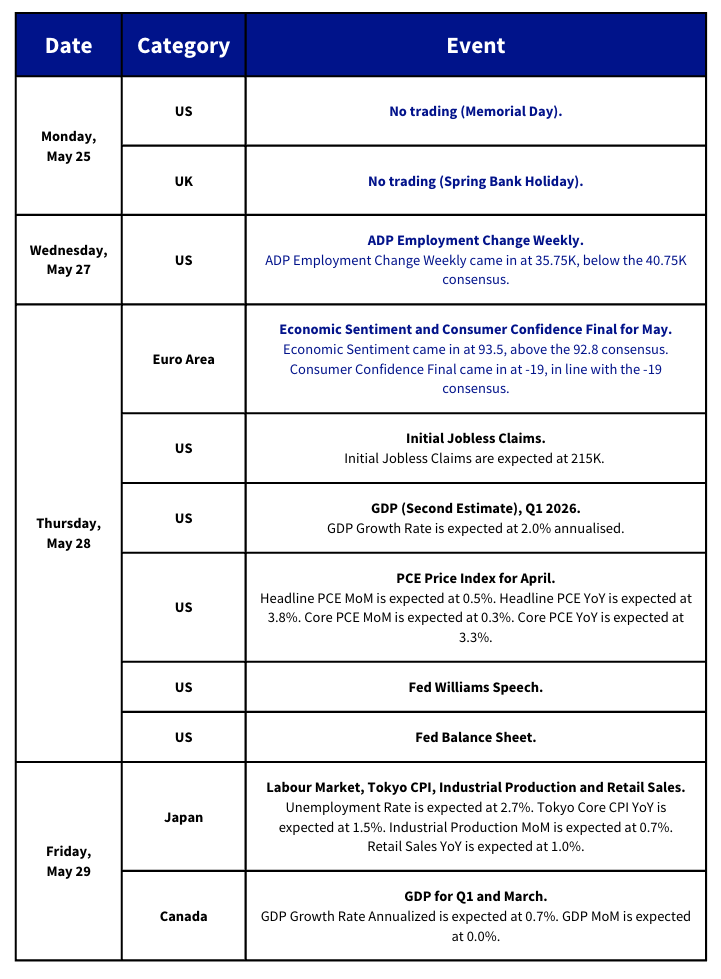
This Week's Calendar

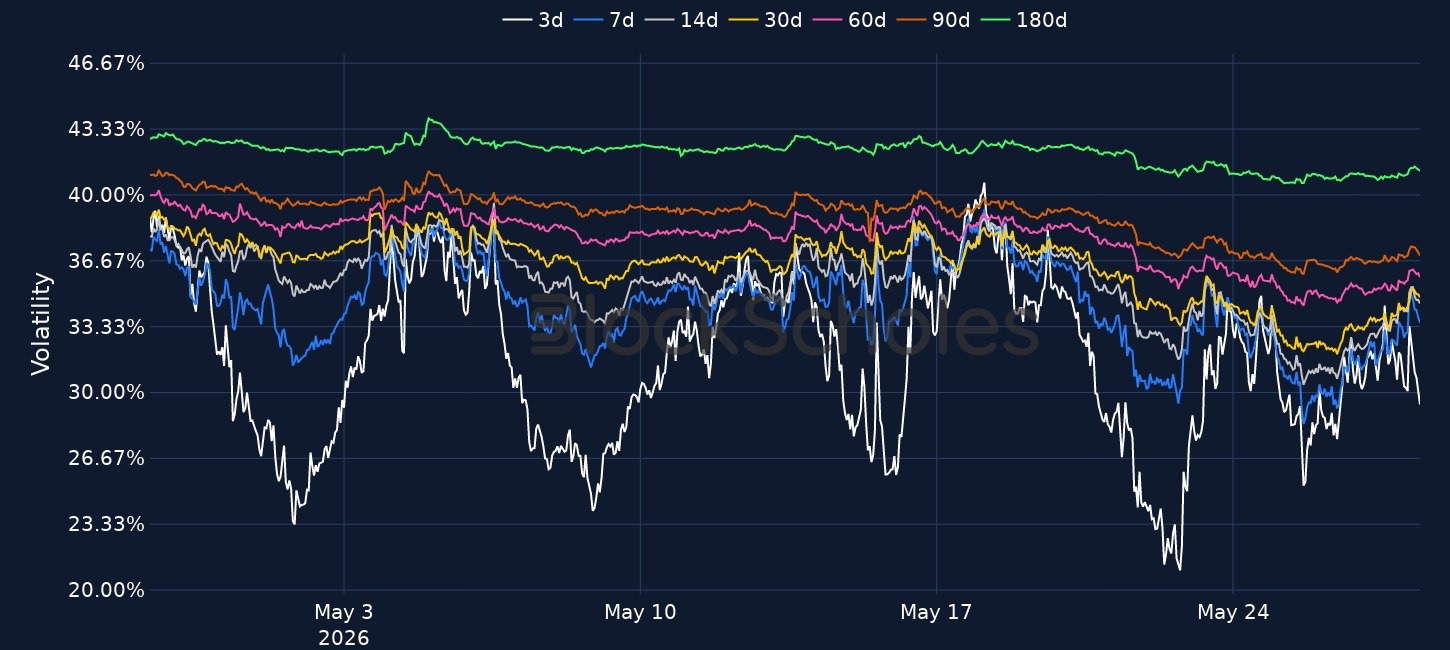
Charts of the Day